
An MVP is the smallest usable version of a product that can test real market demand. A prototype, by contrast, is a model used to test an idea, design, or workflow before the product is truly built. Product teams often confuse the two, then waste budget building features nobody asked for. The smarter path is simple: use a prototype to learn if the idea makes sense, then use an MVP to learn if people will actually use it or pay for it.
TLDR: An MVP is a working product with just enough features for early users, while a prototype is usually a draft, mockup, or clickable model. For example, a food delivery startup might first create a clickable app prototype to test ordering flow, then launch an MVP in one city with 20 restaurants. If 35% of first-time users reorder within 30 days, the team has useful proof. If only 3% return, the product needs fixing before more money is spent.
What Does MVP Mean?
MVP stands for Minimum Viable Product. It is not a cheap, broken, half-finished product. It is a focused version of a product that solves one clear problem for one clear group of users.
The word minimum means the product includes only the core features needed to work. The word viable means users can get real value from it. The word product means it is not just a sketch or idea. It can be used, tested, measured, and improved.
An MVP helps a team answer hard questions early. Do users care? Will they sign up? Will they pay? Which feature gets used most? Which part causes drop-off? Those answers matter more than opinions in a meeting room.

What Is a Prototype?
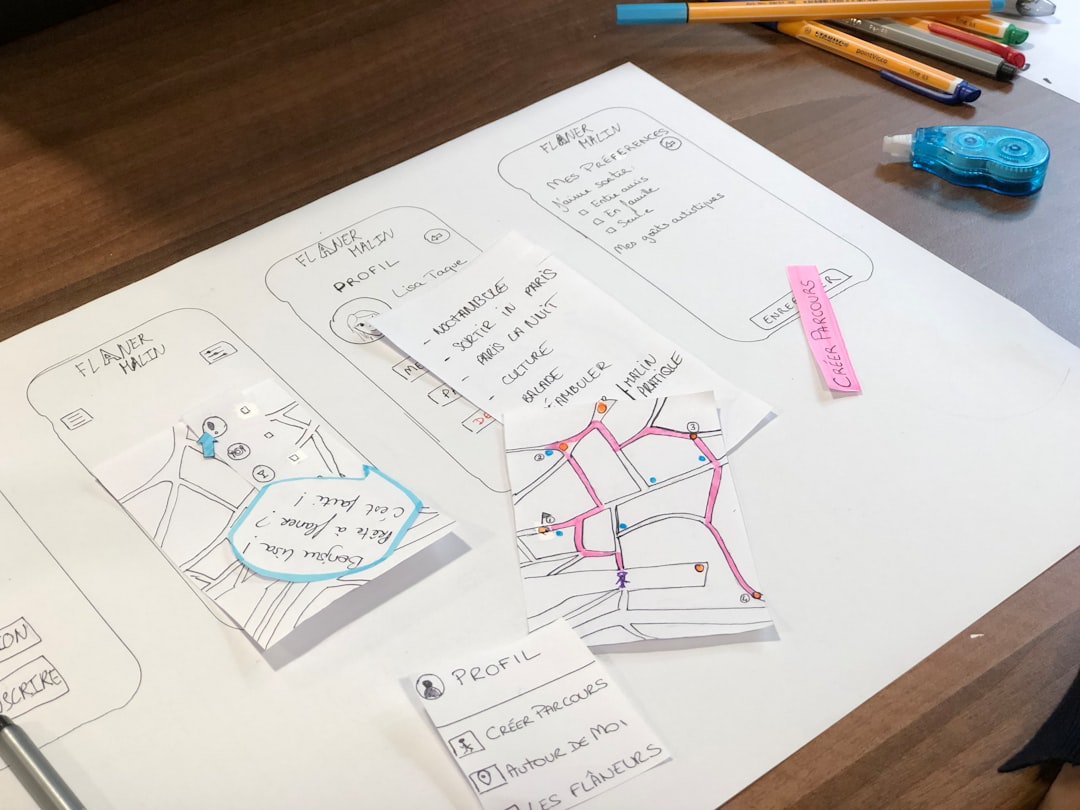
A prototype is an early representation of a product. It may be a paper sketch, wireframe, design mockup, clickable screen flow, or simple technical demo. Its job is to make an idea visible and testable before full development begins.
A prototype does not always need real data, working payments, security, admin tools, or production code. In many cases, it only needs to show how the product might feel. A designer may use it to test a signup flow. A founder may use it to explain the concept to investors. A developer may use it to check whether a feature is technically possible.
It gets annoying when teams treat a polished prototype like a real product. A clickable demo can look impressive, but it may hide serious engineering work. A button may open a perfect screen in half a second during a demo, while the real version later takes 4 seconds because it must call APIs, validate data, and handle errors.
MVP vs Prototype: The Core Difference
The biggest difference is purpose. A prototype tests the idea or experience. An MVP tests the market response.
- Prototype: Used before full build to explore design, flow, concept, or feasibility.
- MVP: Used after core build to test real usage, adoption, retention, and revenue potential.
- Prototype: Often used by internal teams, investors, or test participants.
- MVP: Used by real early adopters in real conditions.
- Prototype: May be fake behind the scenes.
- MVP: Must perform the main job for the user.
A prototype can be thrown away. An MVP may become the base of the final product. That simple difference changes the planning, budget, and expectations.
When a Team Should Build a Prototype
A prototype is the better choice when the team is still unsure about the concept. It is useful when the main risk is unclear design, confusing user flow, or weak problem definition.
For example, a health app team might build a clickable prototype before writing production code. The team can ask 15 patients to complete three tasks: book an appointment, view test results, and message a doctor. If 10 out of 15 users fail to find the message button, the issue is obvious. No backend code was needed to learn that.
Prototypes are also helpful for stakeholder alignment. A written product brief can be misunderstood. A visual flow is harder to misread. It reduces back-and-forth and prevents expensive assumptions.
When a Team Should Build an MVP
An MVP is the better choice when the team already understands the user problem and wants proof of demand. It should be built when the question shifts from “Can this be designed?” to “Will people use this?”
An MVP needs enough quality to be trusted. Payments should work. Core workflows should not break. Data should be safe. The product does not need every planned feature, but the main promise must be delivered.
For example, a project management startup does not need dashboards, custom themes, time tracking, chat, invoicing, and AI summaries on day one. Its MVP might include task creation, assignment, deadlines, and basic project views. If small teams use it weekly and invite coworkers, the signal is strong. If they sign up once and never return, the team has a problem to solve.
Common MVP Features
The right MVP depends on the product, but many share a few patterns:
- User registration: People need a way to access the product.
- One core workflow: The main user problem must be solved.
- Basic analytics: The team must track signups, usage, retention, and drop-off.
- Feedback channel: Users need a simple way to report friction.
- Admin access: The team needs to manage users, content, or orders.
The best MVPs feel narrow, not sloppy. They do one thing well enough to matter.
Common Prototype Types
Prototypes come in several forms. The right one depends on the question being tested.
- Paper prototype: Quick sketches used to test basic layout or flow.
- Wireframe prototype: Low-detail screen structure without full visual design.
- Clickable prototype: Linked screens that simulate app or website movement.
- Visual prototype: High-fidelity design that shows the final look and feel.
- Technical prototype: A small build used to test a complex feature or integration.
Honestly, it feels like some teams pick the fanciest prototype tool just to impress a room. That can slow work down. If a rough wireframe answers the question, a pixel-perfect mockup may be overkill.
How MVPs and Prototypes Work Together
MVPs and prototypes are not rivals. They often belong in the same product process. A strong team may start with sketches, move to clickable prototypes, test with users, refine the concept, then build an MVP.
This order keeps risk low. The prototype catches usability issues before engineers spend weeks on code. The MVP then tests whether the product has a real audience. Both steps protect budget, but they answer different questions.

Key Mistakes to Avoid
- Building too much: Extra features can hide whether the core idea works.
- Calling a prototype an MVP: A mockup cannot prove real adoption.
- Ignoring analytics: Without numbers, the team only has opinions.
- Skipping user interviews: Usage data shows what happened, but interviews help explain why.
- Launching too rough: An MVP can be small, but it should not feel careless.
Which One Comes First?
In most cases, the prototype comes first. It is faster, cheaper, and safer. Once the concept and flow feel solid, the MVP follows. The MVP then gives the team evidence from real users.
There are exceptions. A very simple product may skip a formal prototype and go straight to an MVP. A landing page with a signup form can also act as a demand test. Still, for software with several screens or workflows, prototyping first usually saves time.
FAQ
- What does MVP mean in product development?
- MVP means Minimum Viable Product. It is the smallest working product that can deliver value and test real user demand.
- Is a prototype the same as an MVP?
- No. A prototype tests an idea, design, or flow. An MVP is a working product used by real users.
- Can a prototype become an MVP?
- Sometimes, but not directly. A prototype may guide the MVP build, yet it often lacks real code, data handling, security, and working features.
- Should startups build an MVP or prototype first?
- Most startups should build a prototype first, especially when the product concept or user flow is still unclear. An MVP should follow when the team is ready to test actual market demand.
- How many features should an MVP have?
- An MVP should include only the features needed to solve the main user problem. If a feature does not support that goal, it can wait.
- How does a team know an MVP is successful?
- Success can be measured through activation, repeat usage, retention, referrals, paid conversions, and direct user feedback. The best metric depends on the product goal.