Influencer marketing has become a core growth channel for ecommerce brands seeking authentic connections and measurable returns. As partnerships scale, managing creator outreach, contracts, payments, content approvals, tracking links, and performance data becomes increasingly complex. To streamline these responsibilities, many brands turn to specialized platforms designed to centralize and automate influencer collaboration. The right tool not only saves time but also improves campaign outcomes and long-term partner relationships.
TLDR: Ecommerce brands rely on influencer management platforms to streamline outreach, track performance, and automate payments. Tools like Aspire, Upfluence, GRIN, and CreatorIQ provide end-to-end solutions for managing partnerships at scale. Each platform offers unique strengths, from deep ecommerce integrations to advanced analytics dashboards. Choosing the right one depends on brand size, budget, and campaign goals.
Below is a closer look at four leading platforms that help ecommerce brands manage influencer partnerships effectively and efficiently.
1. Aspire
Aspire is widely recognized as a creator management platform built to support ecommerce-driven campaigns. It helps brands identify influencers, manage communication, ship products, track deliverables, and measure campaign performance—all from one dashboard.

Key Features:
- Creator Discovery: Advanced filtering tools identify influencers by niche, audience demographics, engagement rate, and past campaign success.
- Relationship Management: CRM-style workflow tools help track communication history, negotiations, and active collaborations.
- Product Seeding: Simplifies gifting workflows and shipping logistics directly through platform integrations.
- Sales Attribution: Tracks revenue through custom links, discount codes, and affiliate data.
Why Ecommerce Brands Choose Aspire:
Aspire stands out for its seamless integration with ecommerce platforms like Shopify and WooCommerce. This allows brands to connect influencer efforts directly to revenue metrics rather than vanity metrics. Smaller to mid-sized ecommerce companies particularly value its balance between usability and robust data insights.
Best For: Growing ecommerce brands that need a scalable and user-friendly influencer CRM with strong sales attribution capabilities.
2. Upfluence
Upfluence is an influencer marketing platform known for its data-driven approach and powerful search engine. With a database of millions of creators across social channels, it enables brands to make informed partnership decisions based on detailed audience insights.
Key Features:
- Comprehensive Database: Profiles influencers across Instagram, TikTok, YouTube, Twitch, and blogs.
- Audience Analysis: Verifies demographic breakdowns, follower authenticity, and engagement patterns.
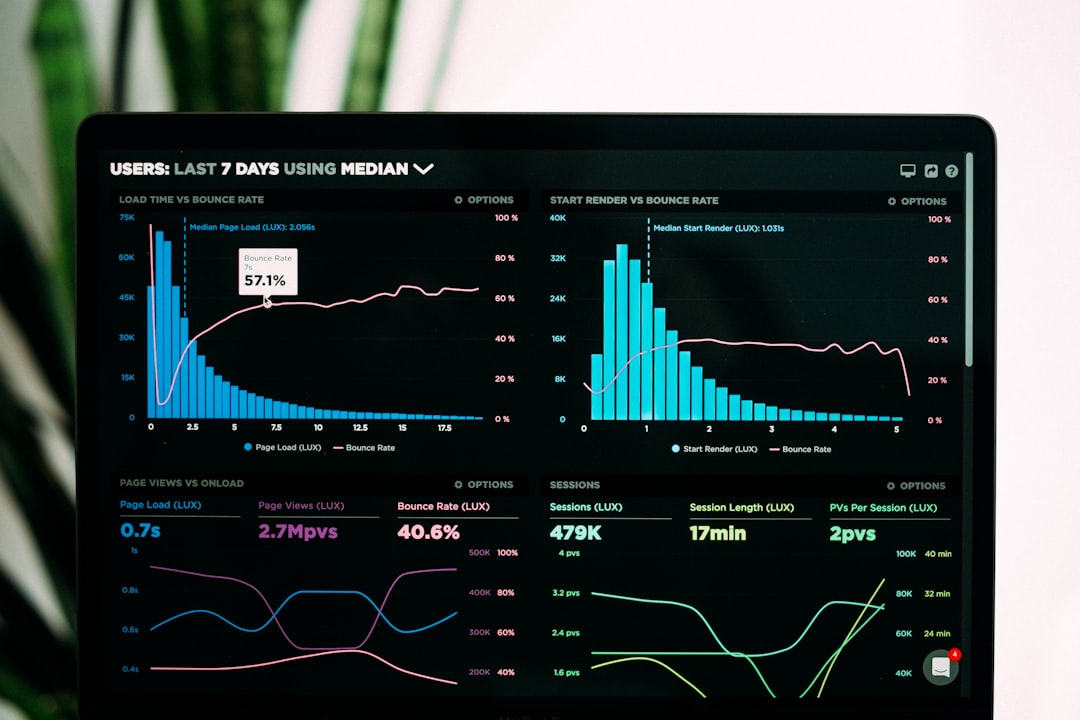
- Campaign Tracking: Real-time reporting dashboards monitor reach, conversions, and ROI.
- Automated Outreach: Email integration and workflow automation improve efficiency.
Why Ecommerce Brands Choose Upfluence:
Its deep data capabilities help brands avoid fraudulent accounts and ensure audience alignment. Additionally, Upfluence integrates directly with ecommerce systems to identify existing customers who are also influencers, allowing brands to turn loyal buyers into brand advocates.
Best For: Data-conscious ecommerce brands that prioritize audience authenticity and performance measurement.
3. GRIN
GRIN positions itself as a comprehensive influencer relationship management platform designed specifically for ecommerce companies. Rather than acting as a marketplace, GRIN focuses on helping brands build direct, long-term creator partnerships.
Key Features:
- Influencer Discovery Tools: Search across social platforms to find brand-relevant creators.
- Ecommerce Integrations: Strong integrations with Shopify, Magento, and WooCommerce.
- Content Management: Organizes user-generated content and tracks usage rights.
- Payment Automation: Handles commissions, affiliate payouts, and fixed-fee compensation.
Why Ecommerce Brands Choose GRIN:
GRIN excels at creating structured workflows for brands running high volumes of influencer collaborations. Its centralized dashboard simplifies communication, product shipping, and performance tracking. Because it connects directly to ecommerce storefronts, revenue attribution is clearer and more reliable.
Best For: Mid-to-large ecommerce brands managing ongoing influencer programs rather than one-off campaigns.
4. CreatorIQ
CreatorIQ is an enterprise-grade influencer marketing platform built for scale. While often used by global consumer brands, rapidly growing ecommerce companies also rely on it for its advanced reporting and compliance tools.

Key Features:
- Enterprise Reporting: Highly customizable dashboards and exportable performance reports.
- Brand Safety Controls: AI-powered fraud detection and compliance monitoring.
- Workflow Automation: Streamlines contract management and internal approvals.
- API Access: Deep integrations with broader marketing technology stacks.
Why Ecommerce Brands Choose CreatorIQ:
Its ability to handle large-scale influencer operations sets it apart. Brands benefit from enterprise-level data visibility, making it easier to report ROI to stakeholders and executives. However, it may be more complex and higher priced than other solutions.
Best For: Enterprise ecommerce brands managing global creator networks and large marketing budgets.
Platform Comparison Chart
| Platform | Best For | Ecommerce Integration | Analytics Strength | Ease of Use |
|---|---|---|---|---|
| Aspire | Growing ecommerce brands | Strong Shopify and WooCommerce integrations | Revenue-focused tracking | High |
| Upfluence | Data-driven brands | Deep ecommerce + CRM integration | Advanced audience analytics | Moderate |
| GRIN | Scaling ecommerce programs | Extensive ecommerce integrations | Strong performance tracking | High |
| CreatorIQ | Enterprise brands | API-based custom integrations | Enterprise-level reporting | Moderate |
How to Choose the Right Platform
When selecting an influencer management tool, ecommerce brands should evaluate several factors:
- Budget: Enterprise solutions may offer more features but come at a higher price point.
- Scale: Brands running dozens of campaigns simultaneously need automation and bulk management tools.
- Integration: Direct connections to ecommerce platforms simplify revenue attribution.
- Data Visibility: Clear dashboards make it easier to justify marketing spend.
- Team Workflow: Collaboration tools are essential for marketing teams handling approvals and contracts.
Ultimately, the ideal solution aligns with current operational needs while offering room to scale. Investing in a robust platform eliminates manual tracking spreadsheets, reduces administrative overhead, and strengthens influencer relationships through consistent communication.
Frequently Asked Questions (FAQ)
1. Why do ecommerce brands need influencer management platforms?
They centralize outreach, contract management, content approvals, payments, and analytics. Without a dedicated platform, brands often rely on disconnected tools and spreadsheets, leading to tracking errors and inefficiencies.
2. Can small ecommerce brands benefit from these platforms?
Yes. Platforms like Aspire and GRIN offer scalable features that suit both small and mid-sized businesses. Even smaller teams benefit from automated tracking and streamlined communication.
3. How do these platforms measure ROI?
Most tools provide trackable links, affiliate codes, and ecommerce integrations that tie influencer activity directly to revenue. Advanced platforms also track assisted conversions and customer lifetime value.
4. Are influencer management platforms expensive?
Costs vary based on features and scale. Enterprise solutions like CreatorIQ typically require larger budgets, while others offer tiered pricing depending on campaign volume.
5. Do these platforms help prevent influencer fraud?
Yes. Many platforms, especially Upfluence and CreatorIQ, analyze engagement patterns, follower authenticity, and suspicious activity to minimize fraud risk.
6. What is the main difference between a marketplace and a management platform?
A marketplace connects brands with influencers for transactions, while a management platform focuses on building ongoing relationships, tracking performance, and integrating influencer data into broader marketing workflows.
By leveraging the right influencer management platform, ecommerce brands gain more than operational efficiency—they build scalable systems that transform influencer marketing into a predictable, revenue-driving channel.