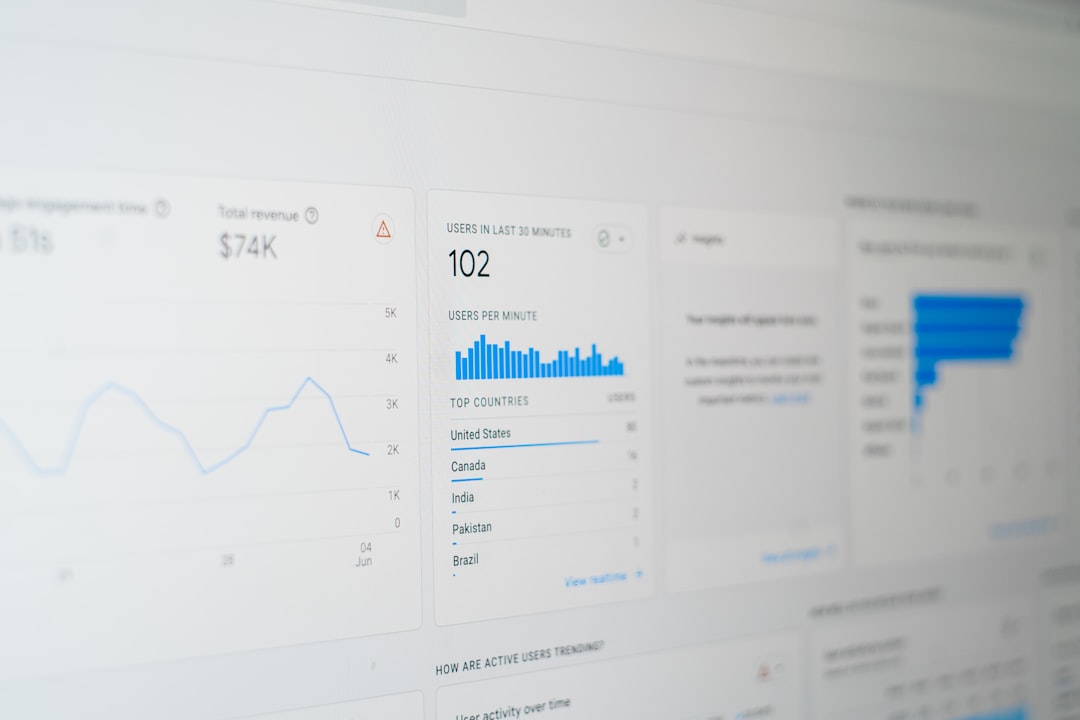
In today’s data-driven environment, organizations rely heavily on clean, structured, and accurate datasets to make informed decisions. However, raw data is often messy, duplicated, incomplete, or inconsistent. This is why automated data cleaning platforms have become essential tools for businesses handling large volumes of information. Platforms like Trifacta have set the benchmark for intelligent data wrangling, but several other advanced solutions offer similar — and sometimes even superior — capabilities for efficient data preparation.
TLDR: Clean data is essential for accurate analytics and decision-making. While Trifacta is a popular data wrangling tool, several automated data cleaning platforms offer comparable features like AI-driven transformations, automation, and scalability. This article explores six powerful alternatives that streamline data preparation workflows. It also includes a helpful FAQ section at the end for quick insights.
Automated data preparation platforms reduce manual effort, improve data accuracy, and increase productivity by using machine learning and intelligent transformation recommendations. Below are six leading platforms like Trifacta that help businesses clean data efficiently.
1. Talend Data Preparation
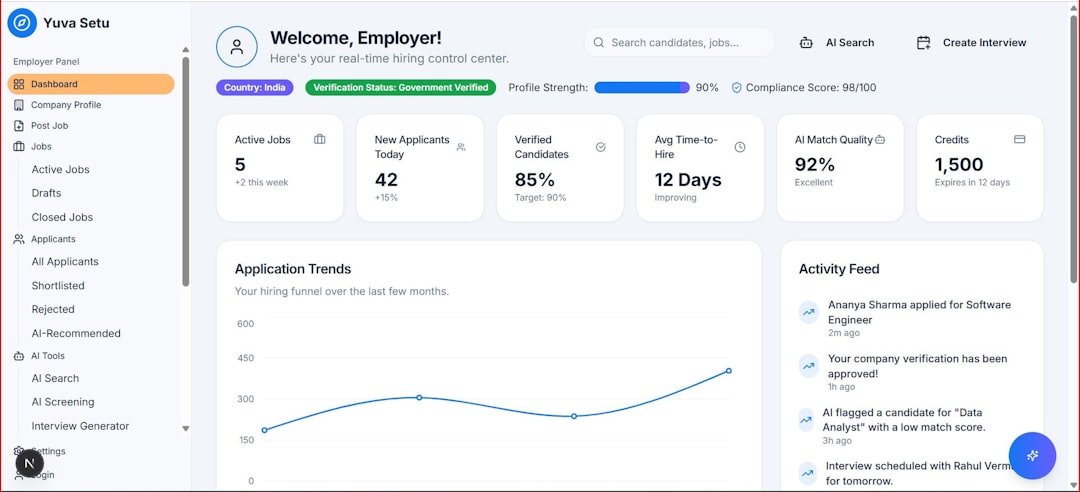
Talend is a powerful data integration and preparation platform designed for both technical and non-technical users. It provides intuitive data profiling, cleansing, and transformation capabilities.
Key Features:
- Interactive data profiling tools
- Smart transformation suggestions
- Cloud and on-premises deployment
- Data quality monitoring
Why It’s Comparable to Trifacta: Talend uses machine learning to recommend data transformations, similar to Trifacta’s intelligent wrangling engine. It also integrates well with big data ecosystems like Hadoop and Spark, making it ideal for enterprise-scale environments.
Best For: Medium to large enterprises seeking comprehensive data governance and integration alongside cleaning.
2. Alteryx Designer
Alteryx Designer is widely recognized for blending data preparation, advanced analytics, and automation in one unified platform. It offers a drag-and-drop workflow builder that simplifies even complex data transformation tasks.
Key Features:
- Visual workflow automation
- Predictive analytics integration
- Reusable data workflows
- Extensive connector library
Why It’s Comparable to Trifacta: Like Trifacta, Alteryx emphasizes visual data wrangling. However, it goes further by integrating predictive modeling and advanced analytics within the same workflow environment.
Best For: Data analysts and data scientists who need seamless preparation and analytics in one tool.
One standout advantage of Alteryx is its ability to automate repetitive cleaning processes, significantly reducing manual intervention while improving consistency.
3. OpenRefine
OpenRefine is an open-source data cleaning tool known for handling messy datasets efficiently. While not as enterprise-heavy as Trifacta, it offers powerful clustering and transformation options.
Key Features:
- Advanced data clustering algorithms
- Bulk data transformation
- Support for large datasets
- Free and open-source flexibility
Why It’s Comparable to Trifacta: Although it lacks some enterprise features, OpenRefine excels in data exploration and cleaning accuracy. It allows users to detect inconsistencies, standardize formats, and remove duplicates efficiently.
Best For: Small teams, researchers, and organizations with limited budgets who need precise data cleaning capabilities.
4. Microsoft Power Query
Microsoft Power Query is an integral component of Excel and Power BI, providing advanced data transformation and preparation capabilities in a familiar environment.
Key Features:
- Intuitive query editor
- Automated data transformation steps
- Integration with Microsoft ecosystem
- M language scripting for customization
Why It’s Comparable to Trifacta: Power Query offers robust transformation automation with step-by-step tracking. Its user-friendly interface allows business users to clean and reshape data without advanced coding.
Best For: Organizations heavily invested in Microsoft tools seeking built-in cleaning functionality.
One significant advantage is accessibility, as many professionals already use Excel or Power BI — making adoption seamless.
5. Dataiku
Dataiku is a comprehensive data science and machine learning platform that includes powerful data preparation functionality. It supports collaborative workflows across departments.
Key Features:
- Visual data preparation tools
- Collaborative projects and version control
- Built-in machine learning integration
- Scalable cloud infrastructure
Why It’s Comparable to Trifacta: Similar to Trifacta, Dataiku uses intelligent suggestions to streamline cleaning and transformation. Its combination of preparation and modeling makes it highly versatile.
Best For: Enterprises focused on end-to-end analytics pipelines, from cleaning to deployment.
Dataiku stands out by fostering collaboration between data engineers, analysts, and business stakeholders within the same platform.
6. Paxata (Now Part of DataRobot)
Paxata, now integrated into the DataRobot ecosystem, is another enterprise-level self-service data preparation platform.
Key Features:
- Self-service data wrangling
- AI-powered transformation recommendations
- Enterprise-grade governance
- Scalable architecture
Why It’s Comparable to Trifacta: Paxata was built around the concept of empowering business users to clean data independently. Its automated suggestions and smart profiling align closely with Trifacta’s core strengths.
Best For: Large organizations that require governance control alongside data democratization.
Key Benefits of Using Automated Data Cleaning Platforms
Regardless of the specific tool selected, automated data cleaning platforms provide several core advantages:
- Improved Accuracy: Machine learning reduces human errors.
- Time Efficiency: Automation streamlines repetitive tasks.
- Scalability: Handle large datasets effortlessly.
- Data Governance: Maintain compliance and quality standards.
- Enhanced Collaboration: Teams work together seamlessly.
As organizations generate increasing volumes of structured and unstructured data, these benefits become critical. Without clean data, analytics models and business intelligence reports can produce misleading results.
How to Choose the Right Platform
When selecting a Trifacta alternative, decision-makers should consider:
- Ease of Use: Is the interface intuitive?
- Integration: Does it connect with existing data sources?
- Scalability: Can it grow with the business?
- Budget: Does pricing align with expected ROI?
- Advanced Features: Does it support analytics beyond cleaning?
The best platform is ultimately one that aligns with organizational goals, technical capabilities, and long-term data strategy.
FAQ: Auto Data Cleaning Platforms
1. What is an automated data cleaning platform?
An automated data cleaning platform is a software tool that uses algorithms and machine learning to detect, correct, and transform messy or inconsistent data with minimal manual intervention.
2. How is Trifacta different from traditional ETL tools?
Trifacta focuses heavily on visual data wrangling and intelligent recommendations, making it more user-friendly compared to traditional ETL tools that often require advanced technical skills.
3. Are open-source tools like OpenRefine sufficient for enterprises?
Open-source tools can be powerful for data cleaning, but enterprises may require additional features such as governance, scalability, and security that paid platforms provide.
4. Can non-technical users use these platforms?
Yes. Many modern platforms emphasize self-service capabilities with drag-and-drop interfaces, making them accessible to business analysts and non-technical users.
5. Do these platforms support cloud-based workflows?
Most modern solutions offer cloud deployment options, enabling remote access, scalability, and integration with cloud data warehouses.
6. Why is automated data cleaning important?
Automated data cleaning saves time, reduces errors, ensures consistency, and improves the reliability of analytical insights — all of which are essential for data-driven decision-making.
As the demand for high-quality data continues to grow, organizations cannot afford inefficient manual cleaning processes. Platforms like Talend, Alteryx, OpenRefine, Power Query, Dataiku, and Paxata offer powerful alternatives to Trifacta, each tailored to different needs and technical environments. By choosing the right automated data cleaning tool, businesses can transform messy datasets into reliable assets that fuel smarter decisions and competitive advantage.