Healthcare organizations operate in one of the most heavily regulated industries in the world. Between HIPAA, HITECH, OIG guidance, CMS requirements, and state-level regulations, maintaining compliance is a constant and evolving challenge. Modern healthcare compliance software systems help organizations move beyond spreadsheets and manual audits by integrating risk monitoring, automated reporting, incident management, and regulatory tracking into one centralized platform. These tools not only reduce legal risk but also help protect patient trust and organizational reputation.
TLDR: Healthcare compliance software systems streamline regulatory monitoring, automate reporting, and proactively manage risk. The best platforms offer real-time dashboards, policy management, incident tracking, audit support, and customizable reporting tools. Solutions like NAVEX, RLDatix, Compliancy Group, Healthicity, MetricStream, and LogicGate stand out for their robust compliance monitoring and healthcare-specific capabilities. Choosing the right system depends on organization size, regulatory exposure, and reporting complexity.
Below, we explore six powerful healthcare compliance software systems known for their risk monitoring and reporting capabilities, followed by a side-by-side comparison to help you evaluate your options.
1. NAVEX One
NAVEX One is a widely recognized governance, risk, and compliance (GRC) platform used across industries, including healthcare. Its strength lies in comprehensive compliance program management and real-time risk visibility.
Key Risk Monitoring Features:
- Centralized risk registers with scoring models
- Automated policy lifecycle management
- Integrated incident and hotline reporting
- Regulatory change management alerts
- Customizable dashboards and analytics
NAVEX allows compliance officers to monitor potential violations, track investigations, and generate board-ready reports with minimal manual effort. Its automated workflows ensure no compliance task falls through the cracks.
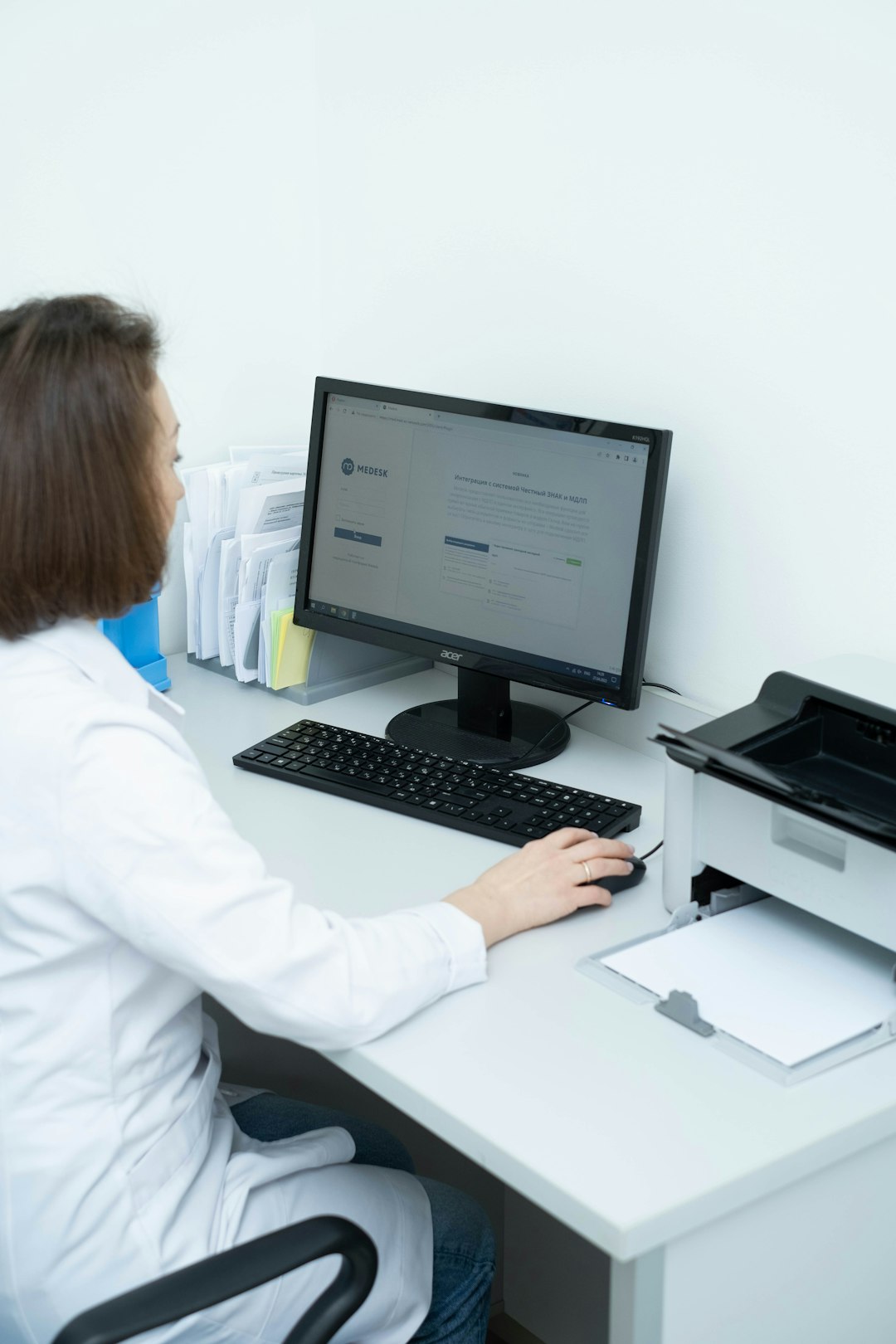
The platform is particularly valuable for larger healthcare systems that need enterprise-level oversight and detailed audit documentation.
2. RLDatix
RLDatix focuses heavily on patient safety, risk management, and regulatory compliance. It is especially popular among hospitals and health systems seeking to integrate safety event reporting with broader compliance tracking.
Key Risk Monitoring Features:
- Incident reporting and adverse event tracking
- Risk heat maps and trend analysis
- Root cause analysis tools
- Accreditation and audit readiness modules
- Real-time regulatory risk alerts
What sets RLDatix apart is its ability to link clinical events directly to compliance workflows. For example, a safety incident can trigger automatic investigation steps and corrective action tracking, creating a closed-loop risk management process.
Healthcare facilities focused on quality improvement initiatives often choose RLDatix to merge safety and compliance under a single system.
3. Compliancy Group
Compliancy Group specializes in HIPAA compliance management, making it particularly attractive for smaller practices, billing companies, and healthcare vendors that handle protected health information (PHI).
Key Risk Monitoring Features:
- Automated HIPAA risk assessments
- Policy and procedure templates
- Employee training and attestation tracking
- Breach risk assessment tools
- Audit documentation storage
Its guided compliance framework simplifies what is often a complex and intimidating process. The system walks organizations through required administrative, technical, and physical safeguard assessments.
Although it may not offer the massive enterprise GRC capabilities of larger platforms, it excels at focused HIPAA-specific reporting and documentation management.
4. Healthicity Compliance Manager
Healthicity offers a compliance management solution designed specifically for healthcare organizations, including hospitals, physician groups, and billing services.
Key Risk Monitoring Features:
- Audit tracking and corrective action plans
- Exclusion screening monitoring
- Compliance workplan management
- Incident reporting dashboards
- Automated task reminders
What makes Healthicity stand out is its practical alignment with OIG guidance and CMS expectations. Compliance officers can create structured audit programs, assign tasks, and generate regulator-ready reports.

It is particularly helpful for organizations that face frequent coding audits, billing reviews, or exclusion screening requirements.
5. MetricStream Healthcare Compliance Solutions
MetricStream is a robust enterprise GRC platform that provides highly configurable compliance and risk management tools. It is commonly used by large healthcare networks and organizations with multi-state operations.
Key Risk Monitoring Features:
- Integrated risk and control libraries
- Continuous compliance monitoring
- AI-driven risk analytics
- Regulatory change management tracking
- Advanced reporting and executive dashboards
MetricStream excels at connecting compliance risk to broader enterprise risk management (ERM) initiatives. This gives executives a top-down view of compliance exposure across departments.
For organizations seeking advanced automation and deep analytics capabilities, MetricStream offers high scalability and customization.
6. LogicGate Risk Cloud
LogicGate Risk Cloud is a flexible, no-code risk and compliance platform. While not exclusively healthcare-focused, many healthcare organizations configure it to manage compliance workflows.
Key Risk Monitoring Features:
- Customizable risk scoring models
- Automated workflow builders
- Real-time risk dashboards
- Vendor and third-party risk tracking
- Audit trail documentation
LogicGate is particularly useful for organizations needing adaptable risk frameworks. Its no-code interface allows compliance teams to design workflows that align with their specific regulatory environment.
Healthcare systems managing extensive vendor networks often leverage LogicGate to monitor third-party compliance exposure.
Comparison Chart: Healthcare Compliance Software Systems
| Software | Best For | Risk Monitoring Strength | Reporting Capabilities | Scalability |
|---|---|---|---|---|
| NAVEX One | Large healthcare systems | Enterprise risk registers and regulatory tracking | Custom dashboards and board reports | High |
| RLDatix | Hospitals and health systems | Patient safety and incident integration | Trend analysis and safety reports | High |
| Compliancy Group | Small practices and vendors | HIPAA risk assessments | Audit-ready HIPAA documentation | Medium |
| Healthicity | Billing and physician groups | Audit and exclusion screening tracking | Workplan and corrective action reporting | Medium to High |
| MetricStream | Enterprise networks | AI-driven analytics and ERM integration | Advanced executive dashboards | Very High |
| LogicGate | Custom workflow environments | Configurable risk scoring | Real-time dynamic reports | High |
What to Look for in a Compliance Risk Monitoring System
When evaluating healthcare compliance software, organizations should consider the following factors:
- Regulatory Alignment: Does the system map directly to HIPAA, OIG, CMS, and state requirements?
- Automation: Can it automate risk assessments, policy updates, and reporting cycles?
- Integration: Does it connect with EHRs, HR software, and billing systems?
- Scalability: Can it grow with acquisitions or network expansions?
- Audit Readiness: Does it maintain defensible documentation trails?

The ideal solution balances usability with power. Overly complex systems may hinder adoption, while overly simple systems may lack sufficient depth for regulatory scrutiny.
The Growing Importance of Automated Risk Reporting
Regulatory enforcement is intensifying, and penalties for non-compliance are rising. Automated reporting capabilities allow compliance teams to:
- Quickly identify high-risk trends
- Provide leadership with actionable intelligence
- Demonstrate good-faith compliance efforts
- Respond rapidly to investigations
Advanced software platforms now use predictive analytics and artificial intelligence to flag anomalies before they escalate into violations. This proactive approach transforms compliance from a reactive burden into a strategic advantage.
Final Thoughts
Healthcare compliance is no longer a back-office administrative function. It is a dynamic, organization-wide obligation that requires continuous risk monitoring, real-time reporting, and documented accountability. The six platforms explored here represent a range of solutions, from HIPAA-focused systems for small practices to enterprise-grade risk engines for national health networks.
Choosing the right system requires a clear understanding of regulatory exposure, reporting complexity, and operational scale. With the right compliance software in place, healthcare organizations can reduce risk, strengthen patient trust, and maintain confidence in an increasingly regulated environment.