Launching a startup is thrilling. Amidst the chaos of building a minimum viable product, assembling a team, and pitching to investors, branding can feel like a distant priority. But for early-stage companies, especially pre-seed startups, a strong logo can set the tone for everything that follows. Your logo doesn’t just identify your product — it tells your story, evokes emotion, and builds consumer trust. That’s why validating your logo early on is a crucial, but often overlooked, step.
TLDR:
A logo is more than just an image — it’s the face of your startup. Validating your logo in the pre-seed stage prevents costly rebrands and helps you connect with your target audience from day one. This article explores practical logo validation frameworks tailored for pre-seed startups, including tactics using feedback loops, visual A/B testing, and competitor benchmarking. Ensure your brand starts strong with a logo that reflects your mission and resonates with users.
Why Logo Validation Matters (Even at Pre-Seed)
At the pre-seed stage, you might not even have users yet. Some founders assume validating a logo comes after growth, but that approach can backfire. Changing your logo post-launch can confuse early adopters and affect your credibility. Plus, your identity — visual and otherwise — begins to solidify the day you go public. That identity has to align with your market and mission from the start.
A well-tested and validated logo will:
- Create visual consistency across your product and marketing materials
- Appeal emotionally to your ideal customer persona
- Distinguish your brand from existing competitors
- Improve recall and perception during pitches and demos
Common Mistakes Pre-Seed Startups Make
Even experienced founders can overlook the importance of structured validation for visual assets. Some common pitfalls include:
- Choosing a logo based on personal taste without audience feedback
- Skipping competitive analysis and accidentally mimicking another company’s look
- Using generic templates without originality or storytelling
- Testing logos only internally with friends/family, not real users
Logo Validation Frameworks That Work
Here are several logo validation strategies that are especially effective (and affordable) for pre-seed startups:
1. Audience Co-Creation
This method turns feedback into collaboration, ensuring your audience becomes emotionally invested in your brand early on. Instead of simply showing them finished logos, involve them in the process:
- Start with concept sketches representing different brand personalities
- Pose open-ended questions: “Which concept feels more innovative/trustworthy?”
- Collect reactions via surveys, forums, or early email list responders
Co-creation not only validates your own ideas but can reveal values and visual styles that your community cares about — even before your product launches.
2. Visual A/B Testing
One of the most quantifiable ways to validate a logo is through a structured A/B test. This can be done in many ways:
- Use platforms like UsabilityHub or Piktochart to test for recognition, memorability, and emotional impact
- Create fake ads or landing pages with alternate logo variants and monitor click-through rates
- Run social media polls (e.g. Twitter, LinkedIn) targeted to your ICP (Ideal Customer Profile)
Keep the testing focused on simplicity; people should understand what your brand is about in seconds. Logos that require explanation are logos that fail.
3. The 5-Second Rule Test
This concept comes from UX testing but adapts beautifully to logo validation. Show someone your logo for five seconds and ask:
- What do you think this company does?
- What feelings does this image give you?
- Would you remember it later?
Perform the test with at least 10–20 people who sit outside your inner circle. These responses provide raw, unbiased context about how well your logo communicates value with minimal exposure.
4. Competitor and Context Analysis
Your pre-seed logo must balance originality with relevance. A common trap is making a logo either too vague or too similar to established players. A framework for analysis includes:
- Listing your top five direct and indirect competitors
- Reviewing their logos — color palette, font families, shape dynamics
- Identifying your gap visually: What’s not being done?
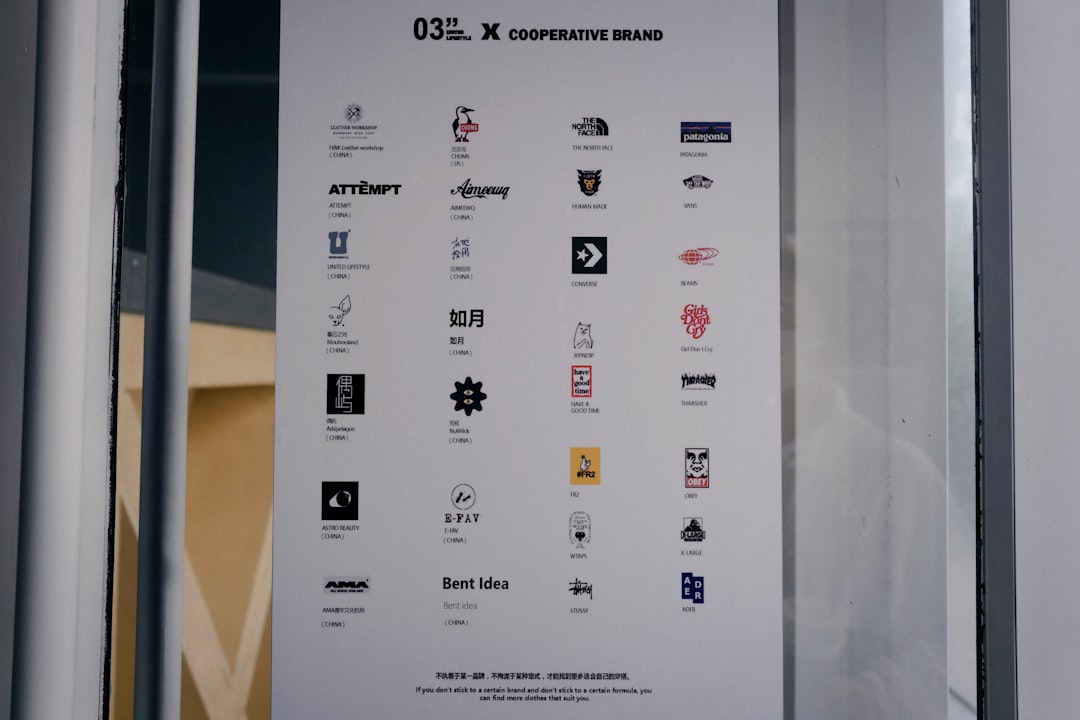
Use this gap as a creative constraint. For example, if most players use blue corporate logos, consider a warm-toned approach that still conveys credibility but distinguishes you through contrast.
5. Emotional Adjectives Grid
Before even designing a logo, create a grid of adjectives that describe how you want people to feel about your brand:
- Innovative
- Honest
- Friendly
- Disruptive
- Luxurious
Then, after designing a few logo concepts, test alignment between your target adjectives and audience responses. This method ensures your visual identity amplifies your startup’s purpose.
Budget-Friendly Tools for Pre-Seed Logo Testing
Logo validation doesn’t need to drain your scarce startup funds. Here are some tools and tactics you can use with minimal investment:
- Lookback.io – for remote user interviews and visual feedback sessions
- Figma/Sketch Craft – easy for collaborative prototyping with team and early followers
- Typeform/Google Forms – to distribute logo surveys with image options
- Pollfish – run cheap A/B tests with targeted demographics
- Reddit and Discord Channels – get honest ecosystem-specific validation
The Validation Timeline
When should you schedule validation testing in your journey? Here’s a simplified sequence tailored to early-stage startups:
- Pre-Product: Shape visual identity and test logo against EVP (employer value proposition)
- MVP Design: Include your logo in prototypes — test visual flow and recall
- Pre-Launch: Run public tests (ads, landing pages, etc.) for external validation
- Post-Launch: Monitor perception via customer surveys and analytics (e.g., bounce rate vs. brand trust)
What Success Looks Like
Your goal isn’t just creating something visually attractive. It’s ensuring your logo is:
- Recognizable within your niche (even in small sizes or grayscale)
- Relevant to your offering and unique enough to stand alone
- Memorable after a single impression
- Scalable across various platforms, from app icons to pitch decks
Final Thoughts: Don’t Fall in Love Too Soon
As an early-stage founder, it’s natural to get attached to ideas — including your logo. But remember: your logo is not just for you. It’s for your users, investors, and team. Testing and validation help remove ego from the equation and bring clarity to the brand you’re building.
The right logo, born from rigorous validation, won’t just decorate your startup — it will supercharge its identity and trajectory from the ground up.