
So, you’ve launched your first SaaS app or micro-startup. Congrats! But now you want to know how users are engaging—with privacy in mind. You’ve probably heard of Plausible Analytics. It’s a great option, but what if you want something self-hosted, open-source, and ultra-private?
Good news! There are some awesome Plausible alternatives that indie hackers—and maybe rebels like you—are loving.
TL;DR 🧪
- Your users care about privacy. So should your analytics.
- Plausible is awesome, but there are lots of self-hosted tools out there.
- We found 6 top self-hosted analytics tools indie hackers use.
- They’re private, scalable, and surprisingly fun to work with.
1. Matomo – The Privacy Giant
Matomo is the OG (original gangster) of self-hosted analytics. Formerly called Piwik, it’s been around for years and loved by privacy champs.
- Self-hosted: Yes
- Tech stack: PHP + MySQL
- Pros: Feature-packed like Google Analytics
- Cons: Heavy and a bit old-school
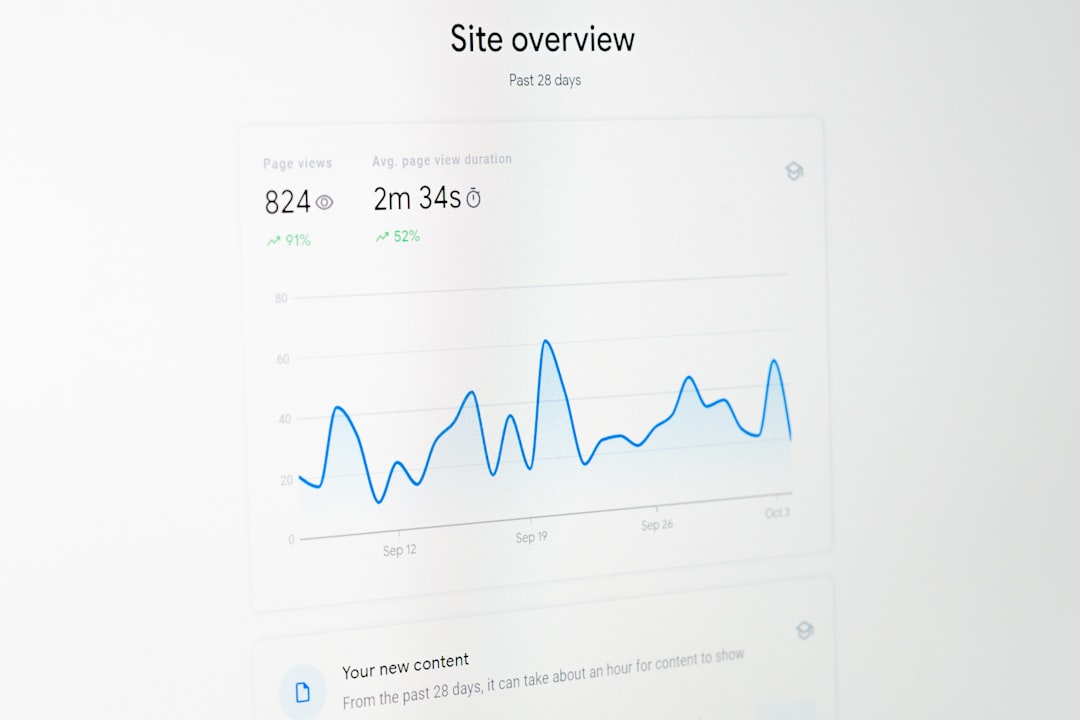
If you’re used to GA, Matomo will feel familiar. You get heatmaps, session recordings, goals, eCommerce tracking—you name it.
Best for: Products with complex analytics needs that still care about full GDPR compliance.
2. Umami – Clean & Minimal
Umami is like that indie song you can’t stop listening to. It’s simple, elegant, and gets the job done with zero bloat. In fact, many indie hackers using Vercel or DigitalOcean love spinning it up quickly.
- Self-hosted: Yes
- Tech stack: Next.js + Postgres
- Pros: Super light, no cookies, privacy-first
- Cons: Basic analytics only
Want to know pageviews, devices, or bounce rates? Umami has you covered. It’s not a deep dive tool, but perfect for those keeping things lean during MVP stage.
Best for: Indie projects just getting off the ground.
3. GoAccess – Terminal Nerds Only
GoAccess feels like cyberpunk analytics. Why? Because you run it from your terminal. No browser dashboards unless you really want one.
- Self-hosted: Totally
- Tech stack: C (yep, low-level and fast)
- Pros: Insanely fast and runs directly on log files
- Cons: Not pretty, not beginner-friendly
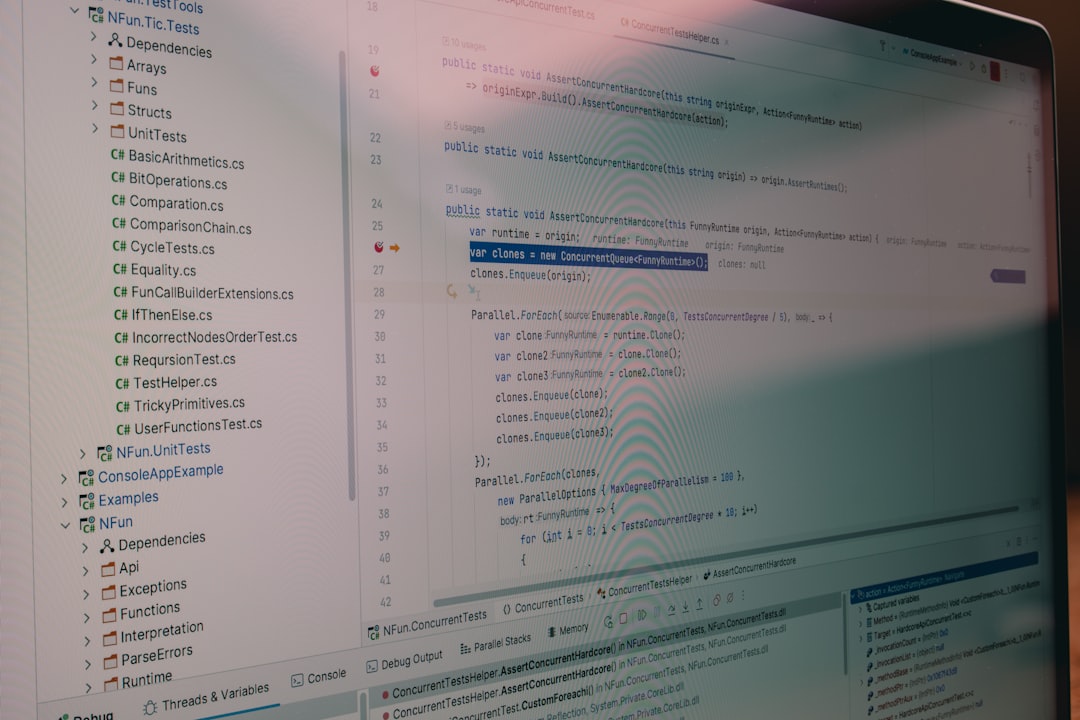
It analyzes your web server logs in real-time and gives you charts in the terminal or simple HTML. Great if you don’t want to add a JS tracker.
Best for: Tech-savvy founders with a love for minimalism and speed.
4. PostHog – The Session Wizard
If Umami is a bicycle, PostHog is a rocket. It’s product analytics on steroids. Think session recordings, feature flags, funnels, cohorts—you name it.
- Self-hosted: Yes, Docker-based
- Tech stack: Django + React + ClickHouse
- Pros: Powerful, full-featured product analytics
- Cons: Heavy to host, needs lots of memory
Many indie hackers who scale quickly switch to PostHog for deeper user insight. You get rich data without sacrificing privacy (as long as you self-host). Plus, you can control how long recordings are stored!
Best for: Founders running user-heavy apps that need deep insights with no Big Brother vibes.
5. Pirsch – Headless and API-First
Pirsch is new in town, but growing fast. It’s stateless, cookie-free, and async. You can run it headlessly via API or use its slick dashboard interface.
- Self-hosted: Yep
- Tech stack: Go (Golang)
- Pros: Fast, modern, GDPR-loving
- Cons: Still maturing, smaller community
One cool trick? Integration with static sites (like Hugo or Jekyll) is easy. Just send requests to the API. No trackers or cookies needed!
Best for: Builders who love modern stacks and programmable tools.
6. Ackee – Stylish and JavaScript-Friendly
Ackee is a sleek little analytics tool made with Node.js. If you’re already deep in the JavaScript ecosystem, this one’s for you.
- Self-hosted: Of course
- Tech stack: Node.js + MongoDB
- Pros: Beautiful UI, privacy-focused
- Cons: Lacks advanced reports
Ackee is popular with indie founders because it’s stylish and simple. Add the script to your site and you’re good to go. It doesn’t store personal data and is compliant with most privacy laws out of the box.
Best for: Founders who want elegant, basic stats without selling their users’ souls.
Things to Consider Before Choosing
With all these choices, how do you pick one? Here are a few easy questions to ask yourself:
- Do I need deep analytics, or just pageviews?
- What’s my dev stack? Choose tools that fit naturally.
- How much traffic do I expect? Some tools scale better than others.
- Do I love typing in terminals? If so, GoAccess might be your soulmate.
Bonus: Want Zero Dev Effort?
If self-hosting feels like climbing Everest backwards, try a hybrid model. Many of these tools—like PostHog and Pirsch—also offer hosted versions that still respect privacy and don’t use user-identifying cookies.
It’s privacy without the sysadmin headaches.
So Which One is “Best”?
We hate to say “it depends”, but yeah… it totally depends!
Here’s a quick-speed cheat sheet:
- If you’re a tinkerer: Try Ackee or Umami
- If you want power tools: Go with PostHog or Matomo
- If minimalism is your thing: Look into GoAccess or Umami
- If APIs and headless got you excited: Pirsch, FTW

Final Words
We indie hackers often think a little differently. We build lean, move fast, and dream big. But we also care—about users, ethics, and our craft.
Choosing a privacy-first analytics solution is one of the simplest ways to respect your users and still get the insights you need to grow faster.
So go on. Take your pick. Spin up a self-hosted tool. And keep building amazing, respectful, fast-growing products.
🚀 Happy hacking!