
Artificial Intelligence (AI) is no longer the exclusive domain of tech giants—it has become an essential asset for businesses across industries. Whether you’re running a small enterprise or a multinational corporation, harnessing AI effectively can lead to significant gains in performance, efficiency, and strategic decision-making. In today’s highly competitive market, businesses that fail to incorporate AI risk falling behind.
TLDR:
Integrating AI into your business operations can yield measurable improvements in efficiency, customer service, decision-making, and overall performance. Key applications include automating tasks, enhancing marketing, streamlining data analysis, and personalizing customer experiences. Using AI strategically helps companies remain competitive and responsive to changing market conditions. This article outlines five practical, actionable ways businesses can leverage AI starting now.
1. Automate Repetitive and Manual Tasks
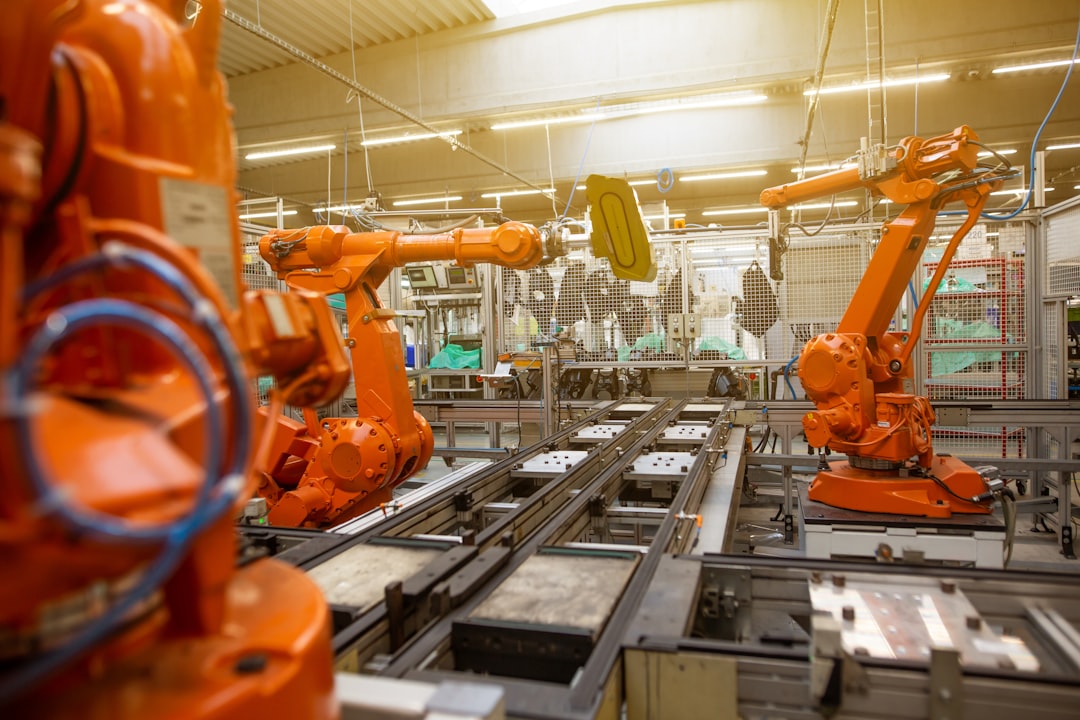
One of the most direct ways to improve business performance with AI is by automating time-consuming, repetitive tasks. Whether it’s data entry, processing invoices, or scheduling meetings, AI-driven automation tools can drastically reduce the time and human input required to execute such tasks.
Benefits of automation include:
- Improved accuracy – AI systems make fewer errors than humans in repetitive tasks.
- Faster task completion – Functions that once took hours can be reduced to seconds.
- Lower labor costs – Staff can focus on high-value tasks instead of mundane ones.
Popular tools like robotic process automation (RPA), AI schedulers, and document recognition software enable businesses to streamline administrative workflows. For example, utility companies are using AI to automate billing functions and detect faulty meter readings without human intervention.
2. Enhance Customer Service with AI Chatbots
AI-powered chatbots and virtual assistants have transformed customer service in recent years. Now, businesses can deliver 24/7 support, resolve queries instantly, and improve user engagement without needing round-the-clock human staff.
Why AI chatbots are a practical choice:
- Always available – AI doesn’t sleep, allowing support to continue beyond business hours.
- Scalable solution – One AI assistant can handle hundreds of customer queries simultaneously.
- Reduced response time – Most inquiries are answered instantly, improving customer satisfaction.
Modern customer service AI tools can also detect sentiment, escalate complex issues to human agents, and learn from previous conversations to improve future interactions. Tools like Zendesk AI, Drift, and Intercom integrate seamlessly with CRM systems to ensure a seamless experience for both the business and the customer.
Implementing AI doesn’t mean replacing your workforce—it means enabling your teams to focus on creative problem-solving while the AI handles routine interactions.
3. Use AI for Data-Driven Decision Making
In today’s digital business environment, data is an immensely valuable asset—but only if it’s interpreted correctly and quickly. AI excels at digesting large data sets, identifying patterns, and delivering actionable insights much faster than a human analyst ever could.
Key areas where AI-driven analytics provide value:
- Sales forecasting – Predict future sales based on current and historical data.
- Risk management – Detect anomalies and flag potential issues before they escalate.
- Performance metrics analysis – Track and improve team or individual performance accurately.
AI tools such as Microsoft Power BI with AI capabilities or Google Cloud AI bring predictive analytics and real-time dashboards to managers’ fingertips. With machine learning algorithms working behind the scenes, decisions can be made proactively, not reactively.

The end result? Organizations can operate more strategically, with increased agility and resilience to market changes.
4. Personalize Marketing and Customer Experience
Today’s consumers expect relevant, timely, and personalized experiences. AI enables companies to meet those expectations by analyzing customer behavior, purchasing history, search activity, and preferences to tailor content and offerings in real-time.
How personalization improves performance:
- Increase in conversion rates – Targeted recommendations often lead to higher sales.
- Higher customer retention – Personalized experiences build loyalty and trust.
- More efficient ad spend – Ads reach the right customers at the right time with relevant messaging.
Companies like Amazon and Netflix have mastered AI-driven personalization, but you don’t need to be a tech giant to use the same approach. Email marketing platforms, CRM tools, and e-commerce plugins increasingly embed AI-driven personalization as a core feature.
Additionally, AI tools like Adobe Sensei and Salesforce Einstein analyze massive customer datasets to determine optimal product recommendations, web content customization, and even dynamic pricing adjustments based on demand patterns.
5. Improve Supply Chain and Inventory Management
Predictive AI models can dramatically enhance the efficiency of your supply chain. By learning from historical data and external variables like weather patterns, market trends, and geopolitical risks, AI helps predict demand, optimize stock levels, and reduce waste.
Impact of AI on operational logistics:
- Minimized overstock and stockouts through accurate demand forecasting.
- Optimized warehouse operations using AI-driven robotics and layout planning.
- Improved vendor management by evaluating supplier performance and flagging disruptions.
AI supply chain solutions like Blue Yonder, IBM Watson Supply Chain, and SAP Integrated Business Planning allow companies to adapt to fluctuations in demand more responsively—saving both time and money. These tools also integrate seamlessly with IoT devices, offering real-time inventory tracking and transport optimization.

Businesses that proactively leverage AI in warehousing, transport, and procurement can significantly cut operational costs while maintaining greater accuracy and reliability in their logistics network.
Conclusion
Artificial Intelligence is not just a futuristic concept or a luxury for large enterprises—it’s a practical, immediately accessible tool for businesses of every size. When integrated thoughtfully, AI can turbocharge performance across some of the most crucial aspects of a company: task management, customer service, marketing, decision-making, and operations.
The key to success lies in a measured approach. Begin by identifying low-risk opportunities for AI integration—such as processing customer inquiries or streamlining inventory tracking—and gradually extend AI capabilities as your team becomes more comfortable. The sooner you embrace AI, the stronger your competitive edge will become in the evolving business landscape.
Invest in AI today, and set your business on a smarter, more agile path for tomorrow.