When searching online for “security camera installation near me,” it often stems from a growing concern about safety or a desire to better monitor property. Whether it’s for a home, office, or commercial space, enlisting professional local services may seem daunting at first. You might wonder what to expect from initial consultation through final installation—and the range of technologies and levels of service available.
TL;DR: What to Expect from Local Security Camera Installation Services
Local security camera installation services typically provide expert consultation, tailored equipment recommendations, skilled installation, and often post-installation support. Expect them to assess your property, recommend camera placement based on strategic coverage, and offer solutions fit for your budget and security needs. While DIY kits exist, professionals bring experience with wiring, positioning, and integration, ensuring your system works effectively. Turnaround times can vary but are usually prompt when working with reliable local firms.
Understanding the Benefits of Hiring Local Professionals
There are several considerable benefits to hiring local security installers as opposed to attempting a DIY approach:
- Customized solutions: Local professionals assess your unique environment to recommend the right equipment and placement.
- Knowledge of regional crime trends: Local companies are often more aware of security gaps specific to your area.
- Reliable technical support and maintenance: If issues arise, proximity ensures quicker service and responses.
- Integration with other security systems: Technicians can sync your cameras with alarms, smart locks, and mobile apps.
Initial Consultation and On-Site Assessment
Most reputable security camera installation services begin the process with a detailed consultation. This may happen over the phone, via video call, or on-site. The goal at this stage is to:
- Understand your specific concerns—such as theft, trespassing, or employee monitoring.
- Evaluate the layout of the premises—whether residential or commercial.
- Identify high-risk or high-traffic areas that need surveillance.
During the site visit, you can expect the installer to look at angles, available power sources, lighting conditions, and even Wi-Fi signal strength if considering wireless options. They will also inquire about your desired remote access and storage preferences—such as cloud vs. local NVRs (Network Video Recorders).
Types of Camera Systems Offered Locally
Professional installers usually offer a variety of surveillance systems suitable for different budgets and requirements. The main categories include:
- Wired systems: Require running cables between cameras and recorders. Known for stable video quality and reliability.
- Wireless systems: Easier to install and flexible in placement but sometimes affected by signal interference.
- Smart security cameras: Can connect with existing smart home systems and allow live monitoring from mobile apps.
- Indoor vs. outdoor cameras: Outdoor devices are weatherproof and often include night vision, whereas indoor units may be less rugged but better looking for aesthetic compatibility.
Depending on your options, local providers may also offer high-res 4K cameras, motion detection features, facial recognition, and integrated alerts.
What Happens During Installation?
Once you’ve selected a package or system, the installation phase begins. This process is generally quick, ranging from a few hours to a full day for larger projects. Here’s what typically happens:
- Technicians arrive with equipment and confirm the pre-discussed plan.
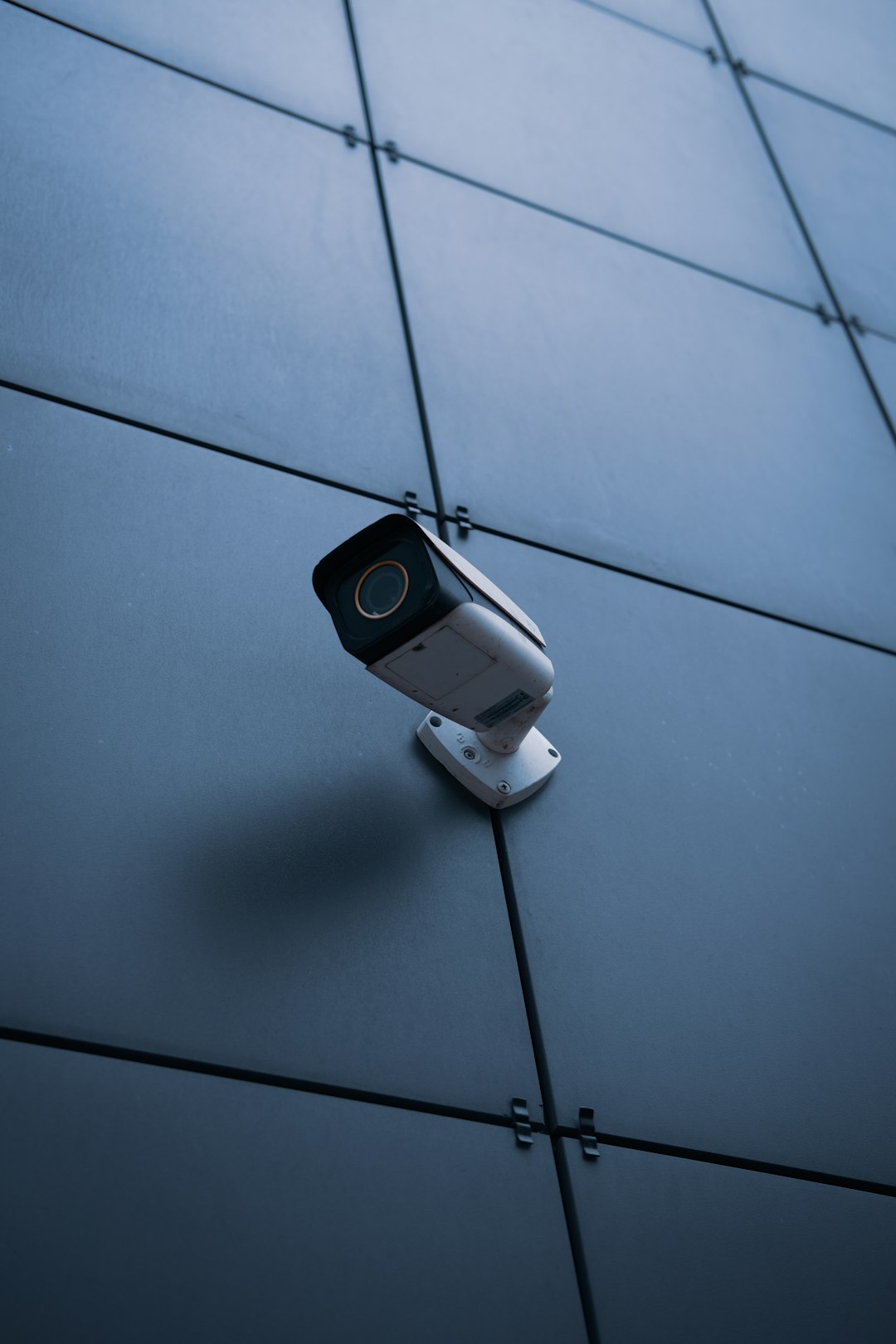
- Camera mounting areas are marked, drilled, and devices secured at precise angles for wide coverage.
- Cabling is run discreetly, ideally hidden or routed under siding, roof lines, or internal walls.
- The central recording unit is set up—either a DVR or NVR, depending on the camera type.
- Connection with mobile or desktop apps is established, and proper user permissions are configured.
Important: permit rules may apply, especially for installations in neighborhoods with HOAs or in commercial settings. A professional team will often help with or advise on compliance with these standards.
Post-Installation Support and Maintenance
After the cameras are up and running, most local companies offer support packages. These might cover:
- System training and handover—including how to access footage and set alerts.
- Remote troubleshooting and software updates.
- Physical maintenance—checking and cleaning lenses, ensuring mounts are secure, and updating firmware.
- Optional system upgrades or cloud service subscriptions.
Having trusted local experts reduces downtime in case of problems. You won’t be stuck navigating warranties or tech support lines when something goes wrong.
Costs to Expect
Pricing can vary based on several factors:
- Number of cameras: More units mean higher labor and materials cost.
- Wired vs. wireless: Wired systems typically cost more due to complex installation but may be more secure and dependable.
- Home vs. commercial setup: Businesses may require higher-grade systems and analytics, raising total expenditure.
As a general guide, homeowners might pay anywhere from $500 to $2,500 for 2–6 cameras installed, while commercial properties could look at $5,000+ for comprehensive multi-point security setups. Always ask for a written quote with itemized details before approving installation.
What to Look for in a Reliable Local Installer
Choosing the right provider can significantly affect your satisfaction and system longevity. Here are attributes to prioritize:
- Licensing and insurance: Ensures compliance with local regulations and professional accountability.
- Good reviews: Look for testimonials online, or ask for references.
- Clear warranty policies: Equipment and labor should ideally be covered for at least one year.
- Transparency: Responsiveness, honest pricing, and informative consultations matter.
DIY vs. Professional Installation
Some homeowners consider DIY solutions. While tempting due to seemingly lower upfront costs, the hidden complications—like incorrect angles, insecure connections, or poor video quality—may undermine the value of the system altogether.
Local professionals bring tools, expertise, and accountability to ensure optimal installation. The peace of mind that comes from professional setup often justifies the investment.
Conclusion: Peace of Mind is Closer Than You Think
Engaging a local specialist to install your security camera system is more than just a convenience—it’s an investment in long-term property safety. With so many customizable and scalable options, professionals near you can design a system tailored to your unique layout and concerns. From consultation through support, they bring dedication, experience, and convenience right to your doorstep.
So the next time you think, “I need security camera installation near me,” remember: real protection starts with informed choices and reliable local partnerships.