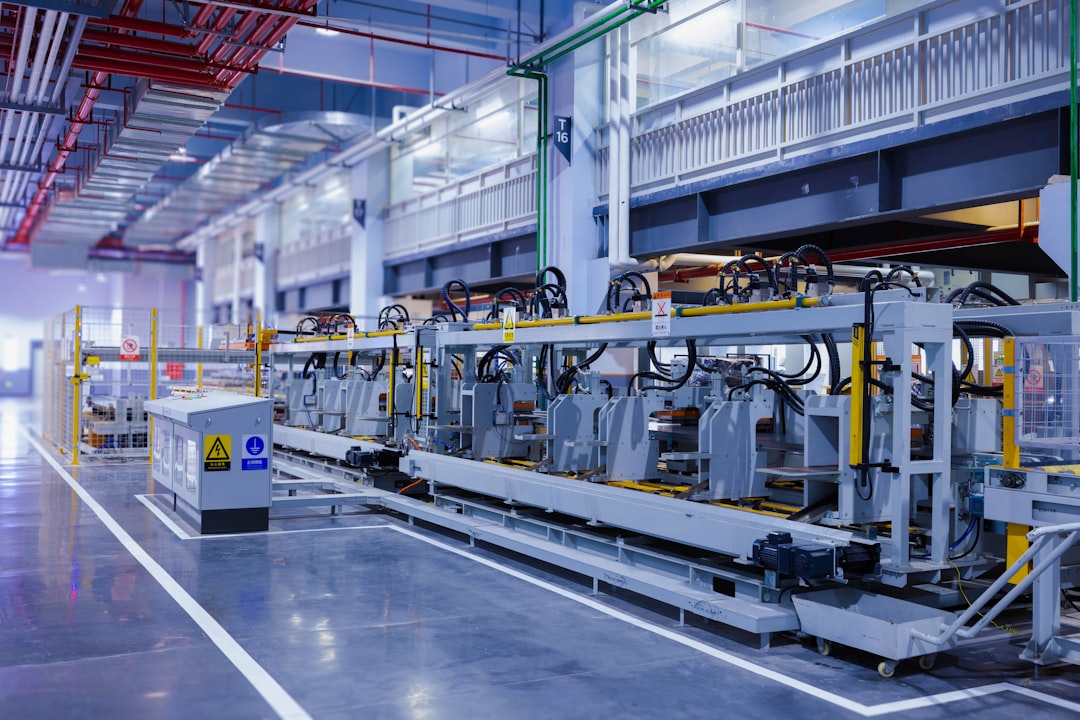
In an era defined by intelligent connectivity, the convergence of big data analytics and the Internet of Things (IoT) is reimagining how machines, devices, and systems interact. From smart homes and wearables to connected cities and autonomous vehicles, the seamless integration of data-driven decision making is shaping the future of digital infrastructure. With billions of devices generating exabytes of data, traditional analytics tools fall short in delivering real-time, actionable insights. This is where big data analytics emerges as a cornerstone of the next-generation smart ecosystems.
TLDR
Big data analytics is a crucial enabler for the Internet of Things, translating massive volumes of sensor-generated data into valuable insights. It enhances efficiency, supports real-time decision making, and enables predictive capabilities across industries. This powerful combination is fueling innovation in areas such as healthcare, manufacturing, and smart cities. As data continues to grow, big data analytics will remain essential to unlocking the full potential of IoT systems.
What is Big Data Analytics in the Context of IoT?
Big data analytics refers to the complex process of examining large and varied data sets to uncover hidden patterns, unknown correlations, trends, and other useful information. When paired with IoT technology—networks of interconnected devices collecting vast amounts of sensor data—these analytics capabilities provide unmatched insights that were previously impossible or too costly to achieve.
In the context of IoT, big data analytics serves several unique purposes:
- Real-time processing of data streams from interconnected devices.
- Pattern detection and predictive analytics to forecast future behavior or anomalies.
- Operational optimization through actionable intelligence.
- Scalability to handle billions of data points produced by IoT devices daily.
Key Benefits of Big Data Analytics for IoT Ecosystems
As industries increasingly adopt connected devices, analytics tools that can handle large, fast-moving data become imperative. Here are some of the most significant benefits:
1. Improved Decision-Making
Data-driven decisions are faster and more accurate. With real-time analytics from IoT devices, business leaders and automated systems can respond instantly to changing conditions, thereby improving customer experience and operational efficiency.
2. Predictive Maintenance
Big data analytics provides predictive maintenance capabilities by identifying trends and predicting equipment failures before they happen. This functionality reduces downtime and mitigates costly repairs in sectors such as manufacturing, aviation, and utilities.

3. Enhanced Personalization
In consumer-facing applications—such as smart homes or wearables—analytics enables tailoring services and experiences to individual behavior patterns. Devices learn user preferences, resulting in smarter home automation, adaptive health recommendations, or targeted retail offerings.
4. Increased Operational Efficiency
When analytics is applied to logistics, resource planning, or supply chains, companies gain greater visibility across their operations. By leveraging sensor data and analytics, organizations can optimize route planning, energy consumption, and inventory distribution.
5. Robust Cybersecurity
With the rise in the number of connected endpoints, vulnerability to cyberattacks also increases. Big data analytics is instrumental in detecting irregular patterns, flagging suspicious activity, and enforcing rule-based security protocols to mitigate risk.
How Big Data Analytics Powers Smart Systems
Smart systems—characterized by autonomy, adaptability, and connectivity—rely on the continual flow of data. Big data analytics acts as the “brain,” processing and interpreting this data in real-time.
- Smart Cities: Traffic sensors, smart lighting, and air quality monitors use analytics for real-time management of public infrastructure and improving urban living conditions.
- Smart Healthcare: Wearables and connected devices collect clinical data, which analytics then converts into preventive insights or alerts for medical professionals.
- Smart Manufacturing: Also known as Industry 4.0, this incorporates robotics, IoT sensors, and analytics to build autonomous factories with reduced waste and higher productivity.

Technologies Enabling Big Data IoT Analytics
The synergy of big data and IoT is powered by several advanced technologies. These include:
- Cloud Computing: Provides the infrastructure to store and process large data sets on-demand.
- Edge Computing: Places analytics closer to data sources to reduce latency and enable real-time actions.
- Machine Learning: Uses algorithms to identify patterns and make predictions based on IoT data.
- Distributed Databases: Systems like Hadoop and Apache Spark facilitate the processing of vast, distributed data pools.
Challenges and Future Outlook
Despite its promise, the implementation of big data analytics in IoT environments comes with challenges. Security and privacy concerns remain paramount, especially with personal data collected by smart devices. Other hurdles include data integration from diverse sources, standardization across platforms, and managing the high costs of data processing infrastructure.
However, ongoing advancements in artificial intelligence, 5G networks, and scalable infrastructure are helping to overcome these obstacles. In the coming years, we can expect not just smarter devices, but intelligent ecosystems where machines make decisions cooperatively, powered by seamless transparency and real-time analytics.
Use Cases Across Industries
Here are a few industry examples highlighting the power of big data in IoT applications:
- Healthcare: Remote patient monitoring systems use sensors to collect continuous health data, which is analyzed to detect early signs of illness.
- Agriculture: IoT devices measure soil moisture, weather patterns, and crop health. Analytics helps farmers optimize irrigation and pesticide application.
- Retail: Connected devices in stores monitor foot traffic, shelf inventory, and customer preferences, enabling real-time restocking and targeted promotions.
- Logistics: Fleet management systems collect geolocation and vehicle diagnostics data to reduce fuel consumption and improve fleet efficiency.

Conclusion
Big data analytics is becoming the neural architecture behind the IoT revolution. As connected systems proliferate, the ability to collect, process, and act upon data in real time will separate leaders from laggards across industries. From predictive capabilities to system optimization and automation, this fusion is no longer merely beneficial—it’s essential.
The era of smart systems is already underway, and big data analytics is the force elevating them from intelligent devices to self-sustaining, responsive networks that improve our lives, our businesses, and our environments.
Frequently Asked Questions (FAQ)
-
Q1: What is the role of analytics in IoT?
Analytics processes the vast amount of data generated by IoT devices to identify patterns, make predictions, and enable real-time decisions. -
Q2: How does big data improve IoT performance?
Big data enables scalability, faster insights, and better prediction models, significantly improving the efficiency and effectiveness of IoT deployments. -
Q3: What are examples of real-world applications?
Smart homes, industrial automation, precision agriculture, and smart transportation systems are prominent examples using data analytics for optimization and innovation. -
Q4: What challenges exist in integrating big data and IoT?
Data security, privacy, high infrastructure costs, and compatibility across devices are common concerns when implementing analytics in IoT environments. -
Q5: What’s the future of big data analytics in IoT?
As technologies like AI and 5G evolve, analytics will drive the next generation of autonomous and intelligent systems across virtually every sector.