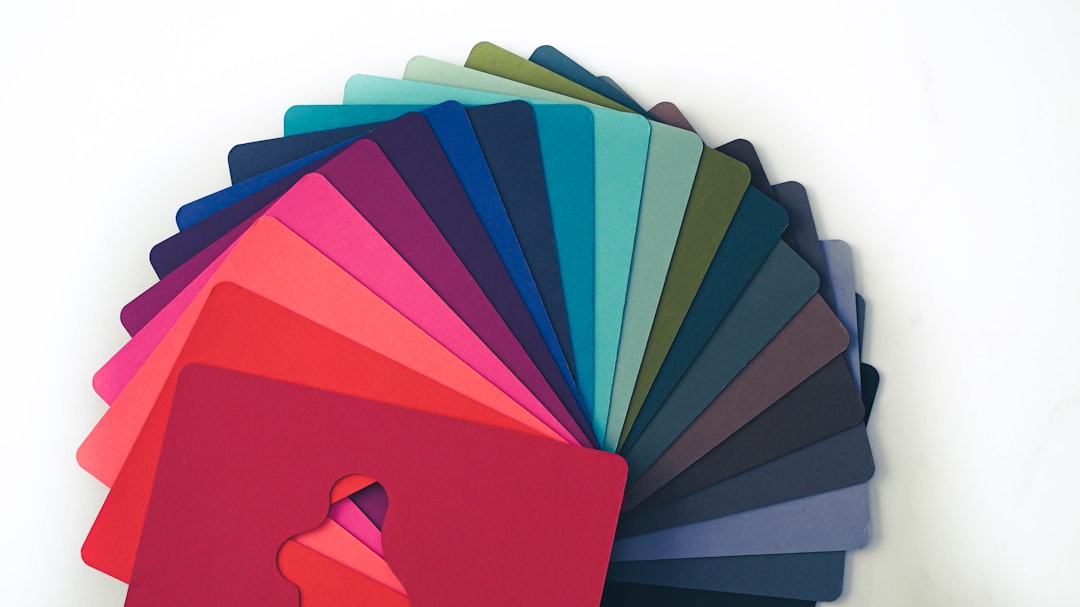
In a competitive marketplace where first impressions often determine future opportunities, the quality and consistency of your business card still matter. Despite digital networking tools, a professionally designed card remains a tangible representation of your brand identity. The right business card maker does more than print contact details — it safeguards your visual standards, reinforces brand recognition, and ensures every employee presents a unified image.
TLDR: Consistent branding on business cards strengthens credibility and recognition. The best business card makers offer brand controls, design templates, team management, and high-quality printing. Choosing a platform with centralized asset management and strict formatting rules prevents mismatched designs. Investing in the right tool protects your brand long-term and saves time across departments.
Brand consistency is not a cosmetic choice; it is a strategic asset. Fonts, color palettes, logo placement, spacing, and paper quality all contribute to perception. A poorly aligned logo or incorrect shade of corporate blue can subtly undermine trust. Business card makers that prioritize brand governance help ensure every card aligns perfectly with established brand guidelines.
Why Brand Consistency Matters on Business Cards
Your business card is often exchanged in high-stakes environments: investor meetings, conferences, client negotiations, and recruitment events. Unlike digital materials, it cannot be edited once handed over. Consistency ensures:
- Immediate brand recognition
- Professional credibility
- Enhanced trust and reliability
- Improved internal efficiency
When multiple departments order cards independently using different services, inconsistencies naturally arise. Logo sizes vary. Color tones shift. Taglines disappear. Over time, the brand begins to fragment. A professional business card maker prevents this erosion by centralizing design standards.
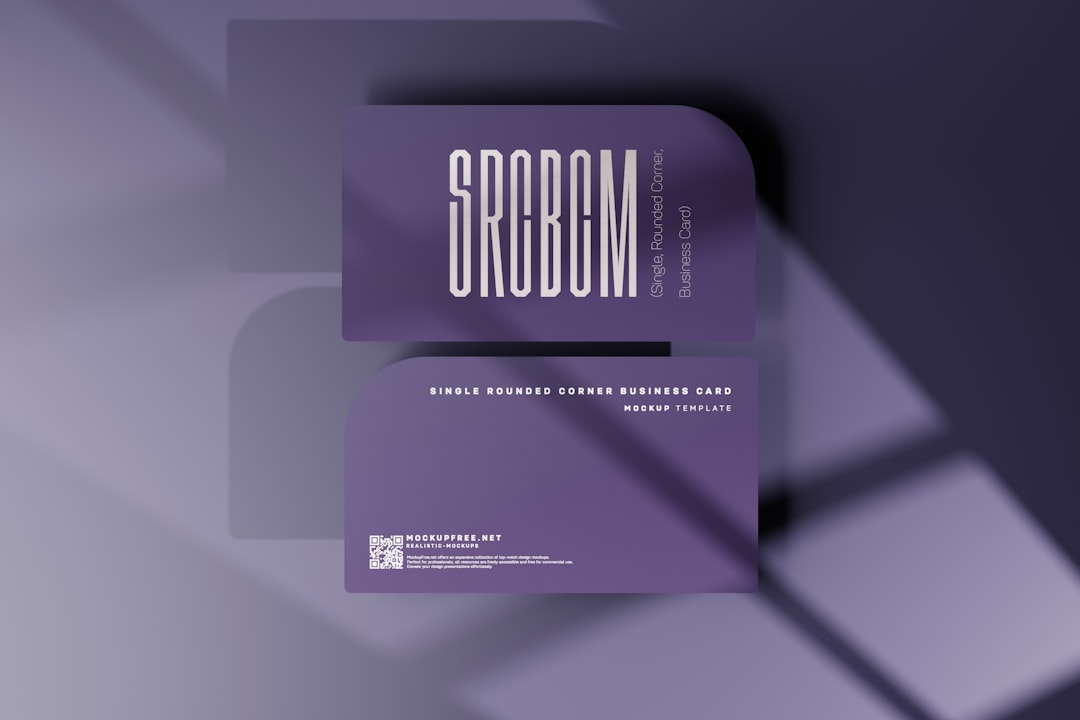
Key Features of Business Card Makers That Protect Your Brand
Not all business card tools are created equal. Many consumer-grade platforms prioritize design flexibility over brand control. For organizations seeking consistency, the following features are essential:
- Locked brand templates: Pre-approved designs that prevent edits to key brand elements.
- Centralized asset libraries: Controlled access to logos, approved fonts, and color codes.
- Role-based permissions: Employees can edit personal details but not structural design elements.
- Color accuracy standards: CMYK and Pantone precision to maintain brand hues across print batches.
- Bulk ordering capabilities: Efficient management for large teams.
- Paper and finish consistency: Standardized stock, coatings, and textures.
These capabilities ensure that whether you are ordering cards for five employees or five hundred, the result reflects a unified visual identity.
Top Business Card Makers That Prioritize Brand Consistency
Below are several reputable platforms known for combining quality printing with brand management tools.
1. Vistaprint Business Solutions
Vistaprint has evolved from a small-business printing service into a platform offering branded solutions for growing organizations. Its strength lies in template control and scalable ordering systems.
Best for: Small to mid-sized businesses seeking reliable printing with moderate brand controls.
2. Moo for Business
Moo is widely recognized for premium materials and sharp color accuracy. The “Moo for Business” offering adds team management features that allow companies to maintain design oversight while enabling employee-level customization.
Best for: Companies that prioritize high-end presentation and refined paper quality.
3. Canva for Teams with Professional Printing
Canva provides strong brand kit functionality, including locked color palettes and font controls. When integrated with professional printing options, it allows organizations to create structured templates while controlling design elements at scale.
Best for: Marketing-driven teams that want creative flexibility within defined constraints.
4. Jukebox Print Brand Portals
Jukebox offers customized storefronts for organizations, creating internal “brand portals” where employees can access only approved templates and materials.
Best for: Mid-sized and enterprise businesses needing strict asset management.
5. MOO Platform API Integration
For larger enterprises, API-integrated print management systems can automatically generate cards from HR databases, minimizing human error and ensuring formatting precision.
Best for: Corporations managing large workforce onboarding.
Comparison Chart: Business Card Makers for Brand Consistency
| Platform | Brand Template Locking | Team Management | Paper Quality Options | Best For |
|---|---|---|---|---|
| Vistaprint Business | Moderate | Yes | Standard to Premium | Small to Mid-Sized Businesses |
| Moo for Business | Strong | Advanced | Premium and Luxe | High-End Professional Branding |
| Canva for Teams | Strong via Brand Kit | Advanced | Varies by Printer | Design-Focused Teams |
| Jukebox Brand Portal | Very Strong | Enterprise Level | High Quality Specialty | Corporate Brand Control |
| API Integrated Platforms | Maximum | Fully Automated | Enterprise-Grade | Large Enterprises |

Digital Integration and Workflow Efficiency
Modern business card makers go beyond print. Integration with HR systems, CRM tools, and onboarding workflows streamlines the ordering process. When a new employee joins, their details can automatically populate a pre-approved template — eliminating manual formatting errors.
Workflow automation contributes directly to brand consistency:
- Reduces typographical mistakes
- Prevents outdated job titles
- Ensures correct phone formats
- Maintains approved brand messaging
Efficiency also reduces administrative burdens. Marketing departments no longer need to micromanage every request; the system itself enforces compliance.
The Importance of Print Quality in Brand Perception
Brand consistency extends beyond design into material experience. A flimsy, unevenly printed card can create subconscious doubt about the organization’s reliability. Meanwhile, thick cardstock, clean embossing, and accurate color reproduction convey stability and professionalism.
When evaluating business card makers, consider:
- Card weight (measured in GSM or PT)
- Finish options such as matte, gloss, and soft-touch
- Edge painting and foil stamping consistency
- Text crispness under magnification
Premium platforms often provide print samples. Reviewing these before committing ensures alignment with corporate standards.

Managing Brand Evolution Without Losing Consistency
Brands evolve. Logos are refined. Taglines shift. Colors modernize. A robust business card maker makes updating brand elements systematic rather than chaotic.
Instead of relying on employees to manually adopt changes, centralized platforms allow administrators to:
- Update master templates instantly
- Retire outdated designs
- Enforce new typography rules
- Track version history
This capability is particularly valuable during mergers, acquisitions, or rebranding processes when outdated materials can linger and dilute credibility.
Security and Data Accuracy Considerations
Brand consistency also intersects with data accuracy and security. Business card makers integrated with internal systems must comply with data protection standards. Secure user access, encrypted databases, and role-based editing reduce risks while maintaining oversight.
Accuracy further strengthens professionalism. Incorrect office addresses or phone numbers not only create inconvenience but can signal organizational disarray.
Making the Right Choice for Your Organization
Selecting a business card maker is not simply about price per unit. It is about long-term brand protection. Organizations should evaluate:
- Scale of workforce
- Frequency of new hires
- Level of brand strictness required
- Material quality expectations
- Budget alignment
For startups, a structured template system may suffice. For global corporations, integrating print management software with enterprise databases ensures flawless replication across regions.
Conclusion
Business cards remain a powerful branding instrument. Their small format belies their strategic importance. A card that aligns perfectly with corporate guidelines communicates discipline, attention to detail, and reliability. Conversely, inconsistent designs fracture brand perception and erode trust.
Business card makers that prioritize brand controls, team management, and premium print standards offer more than convenience — they safeguard identity. By choosing platforms that enforce consistency through technology and structured workflows, organizations protect their reputation in every exchange.
In a marketplace where perception often precedes performance, consistency is credibility. The right business card maker ensures that every introduction begins with confidence.