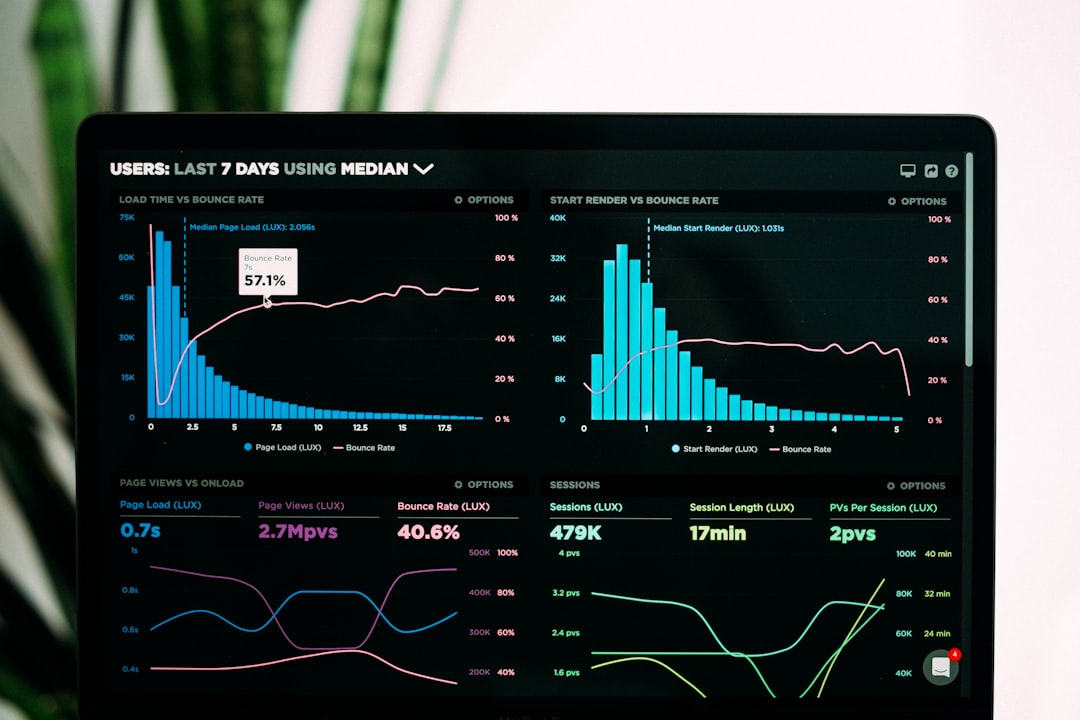
Influencer marketing has evolved from manual outreach and spreadsheet tracking into a sophisticated, data-driven discipline powered by artificial intelligence. Brands no longer rely solely on follower counts and guesswork; instead, they use intelligent platforms that analyze audience demographics, predict engagement performance, detect fraud, and automate campaign workflows. As competition in the creator economy intensifies, AI-driven influencer campaign planning tools have become essential for brands aiming to maximize return on investment while minimizing risk.
TLDR: AI-driven influencer campaign planning platforms help brands identify the right creators, predict campaign outcomes, automate workflows, and measure ROI with precision. These tools use machine learning to analyze audience authenticity, engagement patterns, and content performance. The right platform can significantly reduce manual workload and improve campaign effectiveness. Below are seven leading AI-powered solutions and a comparison chart to help brands choose the best fit.
Why AI Matters in Influencer Campaign Planning
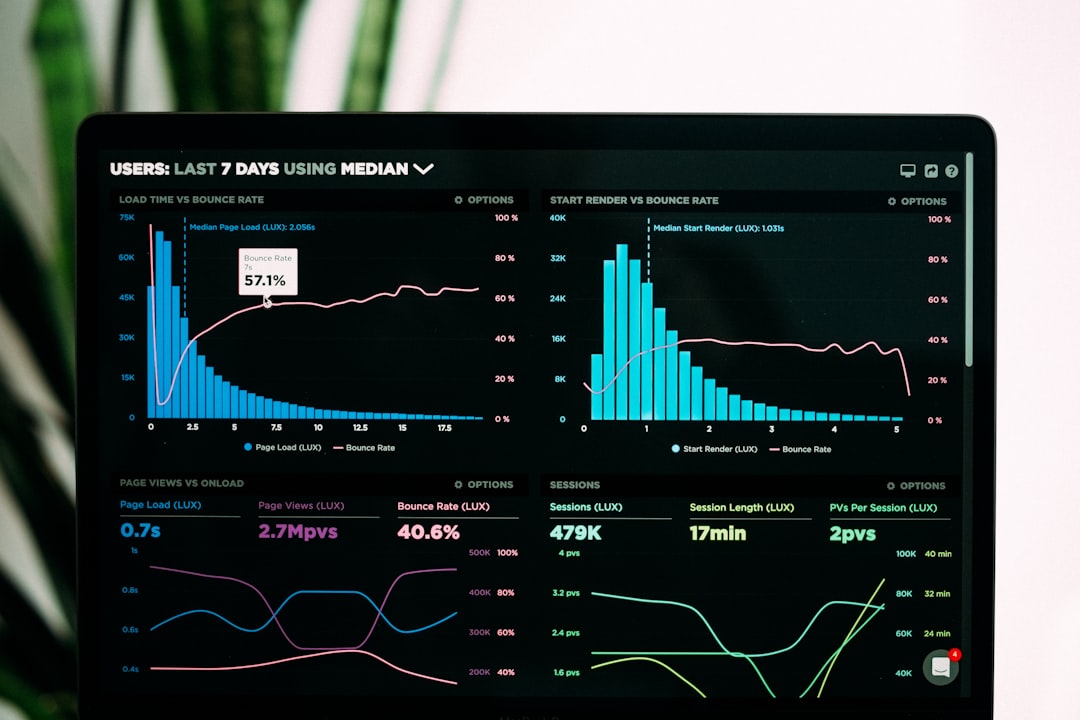
Modern influencer campaigns involve multiple variables: audience interests, brand fit, content timing, platform algorithms, and budget efficiency. AI systems process millions of data points in seconds, uncovering patterns that would be impossible to detect manually. With predictive analytics and machine learning models, brands can forecast engagement rates, estimate conversions, and even identify potential brand safety risks before launching a campaign.
Key advantages of AI-powered influencer platforms include:
- Advanced audience analysis with demographic and psychographic insights
- Fraud detection that identifies fake followers and suspicious engagement
- Performance forecasting to estimate campaign ROI
- Automated influencer discovery based on brand alignment
- Workflow automation for contracts, briefs, and payments
1. Upfluence
Upfluence leverages AI to help brands identify influencers by analyzing audience data, content performance, and brand compatibility. Its machine learning engine allows companies to search through millions of creator profiles using advanced filters such as engagement rate, audience location, and interests.
The platform integrates with e-commerce systems, enabling brands to track influencer-generated sales directly. AI-driven recommendations suggest creators who are already interacting with the brand, improving authenticity and likelihood of conversion.
Best for: E-commerce brands seeking performance-focused campaigns.
2. Aspire
Aspire combines influencer discovery with relationship management tools powered by AI. Its algorithm recommends creators based on historical campaign success metrics and audience compatibility.
Aspire also streamlines campaign planning by automating communication, content approvals, and reporting dashboards. AI features help brands predict which influencers are likely to drive the highest engagement and conversions.
Best for: Brands prioritizing long-term creator partnerships.
3. CreatorIQ
CreatorIQ is an enterprise-grade influencer marketing platform powered by AI-driven insights and first-party data integrations. Its intelligent system analyzes audience credibility, detects anomalies in engagement, and provides deep performance forecasting.
Large global brands benefit from CreatorIQ’s scalability and advanced compliance features. The AI models assess brand safety risks by reviewing content patterns and language usage.
Best for: Enterprise organizations with global campaigns.
4. Traackr
Traackr focuses heavily on data transparency and performance benchmarking. Its AI engine evaluates influencer impact based on reach, resonance, and relevance metrics. The platform continuously learns from active campaigns, improving recommendations over time.
Traackr also offers competitive intelligence tools, enabling brands to compare their influencer strategy against industry peers.
Best for: Data-driven marketing teams seeking competitive insights.

5. HypeAuditor
HypeAuditor is widely recognized for its AI-powered fraud detection capabilities. The platform analyzes audience authenticity, engagement patterns, and suspicious activity signals to ensure influencers have genuine followers.
In addition to fraud detection, HypeAuditor provides audience demographic breakdowns and performance analytics, allowing brands to make evidence-based decisions before committing budget.
Best for: Brands concerned about influencer authenticity and fraud prevention.
6. Influencity
Influencity uses AI to offer granular influencer segmentation and campaign forecasting. Brands can model different budget allocations and predict potential results before launch.
The platform also includes CRM-style workflow management tools, payment tracking, and customizable reports. Its scalability makes it suitable for both small and mid-sized businesses.
Best for: Mid-sized brands seeking flexible campaign modeling.
7. Modash
Modash stands out for its accessibility and powerful search functionality. Its AI scans social platforms for creators that match audience and engagement benchmarks, even identifying rising micro-influencers before they peak.
Real-time analytics track campaign performance and audience changes. Modash emphasizes transparency by allowing brands to verify influencer data independently.
Best for: Brands investing in micro and mid-tier influencers.
Comparison Chart of AI-Driven Influencer Platforms
| Platform | AI Strength | Best For | Fraud Detection | Enterprise Ready |
|---|---|---|---|---|
| Upfluence | E-commerce integration and ROI tracking | Online retailers | Moderate | Yes |
| Aspire | Relationship-based recommendations | Long-term partnerships | Moderate | Yes |
| CreatorIQ | Advanced predictive analytics | Global enterprises | Advanced | Yes |
| Traackr | Competitive benchmarking | Data-focused teams | Moderate | Yes |
| HypeAuditor | Audience authenticity scoring | Fraud-sensitive brands | Advanced | Yes |
| Influencity | Campaign forecasting | Mid-sized businesses | Moderate | Yes |
| Modash | Micro-influencer discovery | Growth brands | Moderate | Limited |
Key Considerations When Choosing a Platform
Before selecting an AI-driven influencer planning tool, brands should evaluate several factors:
- Budget and scalability: Enterprise tools may offer advanced features but require higher investment.
- Integration capabilities: Seamless integration with CRM, e-commerce, and analytics systems enhances efficiency.
- Data transparency: Clear methodology for AI scoring builds trust in insights.
- Fraud prevention needs: Some industries require deeper authenticity audits.
- Campaign objectives: Awareness campaigns differ significantly from performance-based initiatives.

The Future of AI in Influencer Marketing
AI in influencer marketing continues to evolve rapidly. Emerging capabilities include sentiment analysis using natural language processing, automated creative brief generation, and dynamic pricing models based on supply-demand data. Predictive AI may soon simulate entire campaigns before launch, helping brands test multiple strategies virtually.
Additionally, deeper integrations with social commerce platforms will allow real-time attribution modeling. As creators increasingly diversify across platforms such as video, livestream, and community channels, AI systems will become even more central in orchestrating cross-channel strategies.
Brands that adopt AI-driven influencer planning solutions early gain a competitive edge by leveraging smarter insights, optimizing spend, and cultivating authentic partnerships backed by reliable data.
Frequently Asked Questions (FAQ)
- 1. What makes an influencer marketing platform AI-driven?
An AI-driven platform uses machine learning algorithms to analyze large volumes of data, including audience demographics, engagement patterns, and content performance. These systems automate recommendations, forecasting, and fraud detection. - 2. Are AI influencer tools suitable for small businesses?
Yes. While some enterprise tools can be expensive, platforms like Influencity and Modash offer scalable solutions that accommodate smaller budgets and simpler campaign needs. - 3. How accurate are AI-powered fraud detection systems?
AI fraud detection tools are highly effective at identifying suspicious activity patterns, fake followers, and engagement pods. However, no system is perfect, so combining AI insights with manual review is recommended. - 4. Can these platforms predict influencer campaign ROI?
Many AI-driven tools use historical data and engagement modeling to forecast potential ROI. While predictions are not guarantees, they significantly improve planning accuracy. - 5. Do these platforms support multi-platform campaigns?
Most leading AI influencer marketing platforms support multiple social media channels, including image sharing platforms, short video platforms, and streaming networks. - 6. How long does it take to implement an AI influencer planning tool?
Implementation time varies. Smaller platforms may be operational within days, while enterprise-level integrations may require several weeks for onboarding and system setup.
As influencer marketing grows more competitive and data-centric, AI-driven planning platforms are no longer optional luxuries but strategic necessities. Brands that leverage these intelligent tools position themselves for smarter investments, measurable outcomes, and sustainable creator partnerships in an increasingly complex digital environment.