
QR codes have quietly become infrastructure. From restaurant menus and event check-ins to payment links and product authentication, they now sit at the center of everyday digital interactions. But when it comes to choosing a QR code generator, the decision between free and paid tools is not trivial. Features such as analytics, dynamic editing, branding, security, and bulk generation can directly affect marketing performance and operational efficiency.
TLDR: Free QR code generators are fine for simple, static uses like sharing a website or Wi-Fi password. Paid tools become essential when you need analytics, editable (dynamic) codes, branding, bulk creation, or campaign tracking. In this guide, we compare nine widely used QR code generators based on real-world business needs. The right choice depends on whether your use case is personal, small business marketing, or enterprise deployment.
Free vs Paid QR Code Generators: What Really Changes?
At first glance, most QR code generators seem identical. Enter a URL, click a button, download an image. But the differences become obvious once you use them in real campaigns.
Free tools typically offer:
- Static QR codes (cannot be edited after creation)
- No scan analytics
- Limited design customization
- No password protection or expiration controls
Paid tools typically offer:
- Dynamic QR codes (editable destination)
- Detailed scan analytics (location, device, time)
- Custom branding and logo integration
- Bulk generation and API access
- Campaign management dashboards
- Security controls and expiration settings
For personal use, a static free code is often sufficient. For marketing campaigns, packaging, real estate listings, or event registration, dynamic and trackable codes are usually non-negotiable.
The 9 QR Code Generators Compared
Below is a practical comparison of nine tools frequently used by individuals, marketers, and businesses.
1. The QR Code Generator (the-qrcode-generator.com)
A widely used freemium solution offering both static and dynamic codes. Advanced features like editing and analytics require a subscription.
Best for: Small to medium businesses running campaigns.
2. QR Code Generator (qr-code-generator.com)
Offers a polished interface, good design options, and dynamic QR codes behind a paywall.
Best for: Marketing professionals needing branding tools.
3. The QR Code Generator by Bitly
Integrated into Bitly’s link tracking ecosystem. Strong analytics and campaign insights, but requires a paid Bitly plan.
Best for: Teams already using Bitly for link management.
4. QR Code Monkey
One of the most popular free generators. Excellent design customization for static codes, but limited dynamic functionality.
Best for: Designers creating branded yet static QR codes.
5. Beaconstac
A professional-grade platform with dynamic QR codes, advanced analytics, and enterprise features.
Best for: Larger organizations and enterprise deployments.
6. QR Stuff
Offers many data types and customization options. Free for basic use, subscription required for dynamic features.
Best for: Users needing versatile data formats.
7. Unitag
Focuses heavily on design and customization. Offers attractive visual QR codes with branding flexibility.
Best for: Creative industries and packaging.
8. Visualead
Known for highly visual QR codes that integrate into images. Mostly used for marketing campaigns.
Best for: Campaigns prioritizing aesthetic integration.
9. QR Tiger
A business-oriented QR code SaaS platform offering dynamic codes, analytics, bulk generation, and API integrations.
Best for: Growing businesses scaling operations.
Comparison Chart
| Tool | Free Static Codes | Dynamic Codes | Analytics | Branding Options | Bulk/API | Best For |
|---|---|---|---|---|---|---|
| QR Code Generator (TQRCG) | Yes | Paid | Paid | Moderate | Paid | SMBs |
| QR Code Generator | Limited | Paid | Paid | Strong | Paid | Marketing Teams |
| Bitly | No | Paid | Advanced | Limited | Yes | Link Tracking Users |
| QR Code Monkey | Yes | No | No | Strong | No | Designers |
| Beaconstac | No | Yes | Advanced | Strong | Yes | Enterprise |
| QR Stuff | Yes | Paid | Paid | Moderate | Limited | Flexible Use |
| Unitag | Yes | Paid | Paid | Strong | Paid | Creative Brands |
| Visualead | No | Yes | Yes | Very Strong | Limited | Visual Campaigns |
| QR Tiger | Limited | Yes | Advanced | Strong | Yes | Scaling Businesses |
Real Use Cases: Which Type Should You Choose?
1. Restaurant Menus
If you only need a permanent PDF menu link, a free static QR code works. If your menu changes weekly or seasonally, a dynamic QR code ensures you can update the link without reprinting tables or signage.
2. Product Packaging
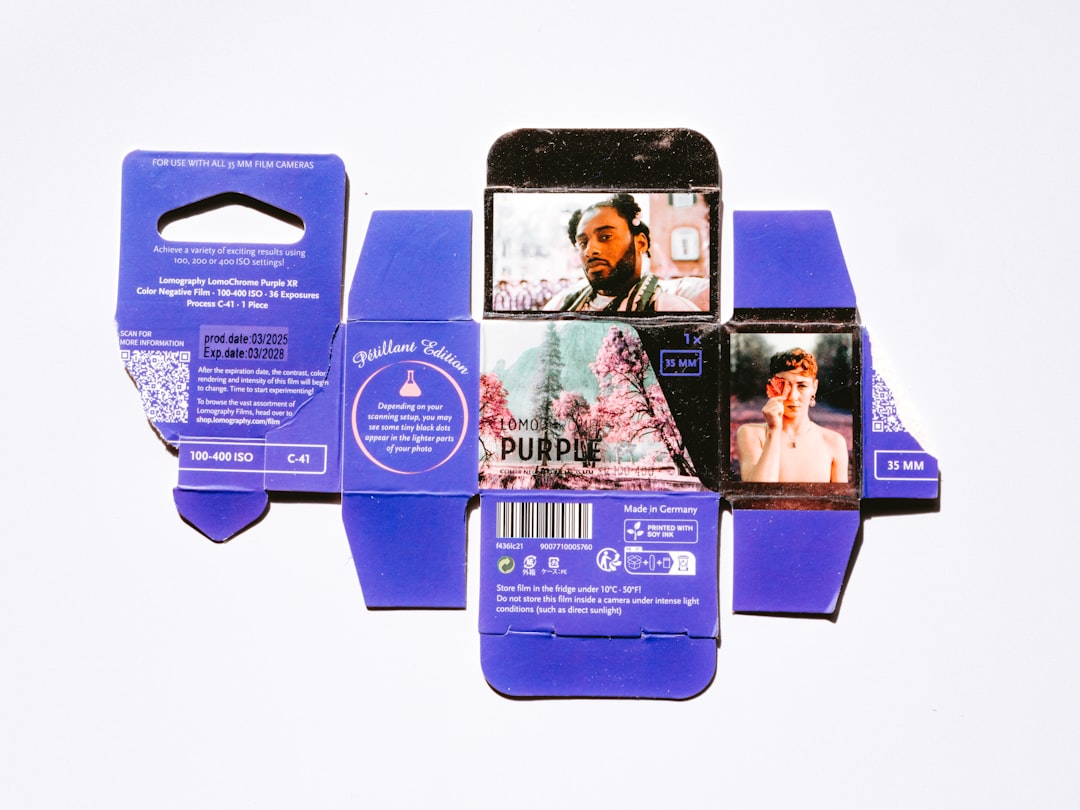
Once product packaging is printed, changing a static QR code is impossible. Dynamic QR codes are safer for packaging because they allow corrections, redirects, or campaign updates post-production.
3. Real Estate Listings
Agents frequently reuse signage. A dynamic QR code lets them redirect the link from one property listing to another without changing the rider sign.
4. Event Management
For check-ins, ticket validation, and attendance tracking, paid solutions with analytics and API capabilities are typically necessary.
5. Personal or Hobby Use
Sharing a social profile, Wi-Fi password, or portfolio link rarely requires analytics. Free tools are sufficient here.
Security and Longevity Considerations
One often overlooked difference between free and paid generators is longevity. Some free platforms monetize by expiring or deactivating unused dynamic codes after trial periods.
When reliability matters, consider:
- Whether static downloads are truly permanent
- Whether dynamic codes require subscription renewal
- Data privacy compliance (especially for EU businesses)
- Custom domain availability to reduce phishing concerns
For enterprise users, compliance with regulations such as GDPR can be critical. Paid enterprise tools typically document data handling practices more clearly than free services.
Total Cost of Ownership
Free feels attractive, but indirect costs exist:
- Reprinting flyers if links change
- Lack of campaign data
- Brand inconsistency
- Time spent managing multiple static links
Conversely, paid tools may cost $5–$50+ per month, depending on scale. For active marketing campaigns, the return on information—scan metrics, location insights, device data—often offsets the subscription fee.
When Free Is Enough
- Personal sharing
- Academic projects
- One-time printable materials
- Permanent URLs unlikely to change
- Non-commercial uses
When Paid Is Worth It
- Marketing campaigns
- Printed packaging
- Multi-location businesses
- Large-scale print runs
- Data-driven decisions
- Brand-sensitive applications
Final Recommendation
There is no universally “best” QR code generator—only the best tool for your use case. If you simply need a quick static code, tools like QR Code Monkey or QR Stuff can be adequate. If you are running measurable campaigns, managing real estate listings, printing product packaging, or integrating with CRM systems, platforms such as Beaconstac, QR Tiger, or Bitly justify their cost.
The main question is not free versus paid. It is static versus dynamic, untracked versus data-driven, and temporary versus scalable.
Choose based on the longevity and importance of the QR code in your workflow. What seems like a minor tool choice can quickly become a foundational decision for marketing performance, customer experience, and operational flexibility.