Online learning used to feel like a lonely room with a blinking cursor. You logged in. You watched a video. You tried not to fall asleep. But things are changing fast. DigitalEdge.org is helping push online education into a brighter, friendlier, and more useful future.
TLDR: DigitalEdge.org is making online learning easier, smarter, and more fun. It helps learners build real skills at their own pace. It supports flexible education for busy people, curious people, and people who want a fresh start. In short, it is helping online education feel more human.
A New Kind of Classroom
The old classroom had walls. It had rows of desks. It had a bell that told you when to sit down and when to leave.
The new classroom is different. It can fit inside a laptop. It can live on a phone. It can travel with you on a bus, a couch, or a lunch break.
That is where DigitalEdge.org comes in. It supports the idea that learning should not be locked in one place. It should move with you.
This matters a lot. People have busy lives. Some work full time. Some care for families. Some live far from schools. Some simply learn better at night, with snacks nearby.
Online education gives them a door. DigitalEdge.org helps make that door easier to open.
Learning That Fits Real Life
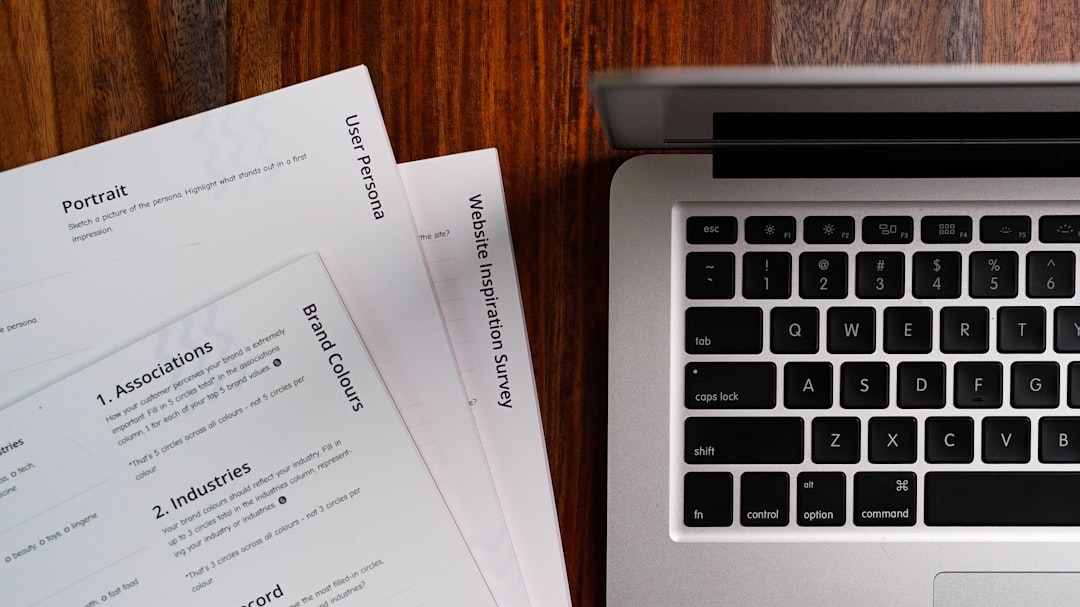
One of the best things about online learning is flexibility. But flexibility can also feel messy. Too many links. Too many tabs. Too many “where do I click now?” moments.
DigitalEdge.org helps shape a better path. It points toward learning that feels clear. Simple steps matter. A learner should know what to do next.
Think of it like a game map. You start at level one. You collect skills. You unlock new ideas. You see your progress. You keep going.
That sounds small. It is not small.
When people can see progress, they feel hope. When they feel hope, they keep learning. When they keep learning, their lives can change.
Simple Design Makes Big Learning Possible
Education should not feel like a puzzle box. The hard part should be the learning itself. Not finding the lesson. Not guessing which button works.
DigitalEdge.org reflects a larger shift in online education. Platforms are becoming cleaner. Lessons are becoming shorter. Tools are becoming easier to use.
This is important for everyone. It helps new learners. It helps older adults. It helps people with slow internet. It helps students who are nervous about technology.
A simple design says, “You belong here.”
That message is powerful.
Short Lessons Win the Day
Let’s be honest. Most people do not want a three hour video about one tiny topic. That is not learning. That is a nap trap.
Modern learners enjoy short lessons. They want clear ideas. They want examples. They want to practice right away.
DigitalEdge.org is part of the move toward bite sized learning. This type of learning works well because it respects attention.
People can learn one idea at a time. Then they can test it. Then they can use it.
Small lessons also make big goals feel less scary. A huge subject can feel like a mountain. But one short lesson feels like one step.
And one step is doable.
Skills Over Seat Time
For a long time, education focused on time. How many hours did you sit in class? How many semesters did you complete?
But the future is more focused on skills. What can you actually do? Can you solve a problem? Can you explain an idea? Can you build something useful?
DigitalEdge.org supports this future by highlighting practical learning. Online education is becoming more connected to real work and real life.
That is great news.
A learner may want to grow a career. Another may want to start a business. Another may want to understand new technology. Another may just want confidence.
Skill based learning helps all of them.
- It is practical. Learners can use what they study.
- It is motivating. Progress feels real.
- It is flexible. People can focus on what they need.
- It is personal. Every learner can move in a useful direction.
More Than Videos
Online education is not just video anymore. Thank goodness.
Good learning can include quizzes, projects, reading, discussion, games, and live sessions. It can include feedback. It can include community. It can include tools that help learners practice.
DigitalEdge.org is helping point online education toward this richer model.
Watching is not enough. Learners need to do things. They need to try. They need to make mistakes. They need to fix them.
That is how learning sticks.
It is the difference between watching someone bake a cake and actually ending up with flour on your shirt.
Messy can be good.
Learning Can Feel Personal
Everyone learns in a different way. Some people love reading. Some need visuals. Some want examples. Some need to hear an idea twice. Or five times. No shame.
The future of online education is more personal. It can adapt to the learner. It can offer extra help. It can suggest what to study next.
DigitalEdge.org fits into this future by supporting learning that is not one size fits all.
A strong online learning space should feel like a helpful guide. Not a robot in a suit. Not a strict teacher with a red pen. A guide.
It should say, “Here is where you are. Here is where you can go next.”
Community Still Matters
Some people think online learning means learning alone. That does not have to be true.
Community is a huge part of education. People need questions. They need support. They need someone to say, “I got stuck there too.”
DigitalEdge.org helps represent a future where online education includes connection. Learners can share ideas. Teachers can guide groups. Peers can cheer each other on.
This matters because motivation can fade. A course can start with excitement. Then life happens. The dog gets sick. Work gets busy. The WiFi acts like a potato.
A learning community helps people return.
It reminds them that they are not alone.
Better Access for More People
Online education can reach people who were left out before.
That is one of its biggest strengths.
Not everyone can move to a city for school. Not everyone can pay for traditional programs. Not everyone can follow a fixed schedule.
DigitalEdge.org is part of a world where education can become more open. A person with an internet connection can explore new topics. A worker can reskill. A parent can study after bedtime. A teen can discover a future career path.
This is not just convenient. It is meaningful.
Access can change confidence. Confidence can change choices. Choices can change lives.
Teachers Get New Superpowers
Online education is not only changing life for students. It is also changing life for teachers.
Teachers can now reach more learners. They can use digital tools. They can track progress. They can spot where students struggle.
This helps teachers teach better.
DigitalEdge.org supports the broader idea that teachers are not being replaced. They are being empowered.
A great teacher still matters. A lot.
Technology can handle some routine tasks. It can organize lessons. It can deliver resources. It can show data. But teachers bring care, humor, judgment, and heart.
No app can fully replace that look a teacher gives when you clearly did not read the instructions.
You know the look.
Fun Is Not a Bonus
Learning should be useful. But it can also be fun.
Fun does not mean silly all the time. It means engaging. It means active. It means the brain is awake and curious.
DigitalEdge.org is helping shape a future where learning feels less like a chore. Online education can use stories, challenges, feedback, badges, and creative projects.
These things help learners stay interested.
When learning is fun, people return. When people return, they improve. When they improve, they want to learn more.
That is a lovely loop.
Real World Projects Make It Stick
A good lesson explains. A great lesson lets you build.
Online education is moving toward projects that feel real. Learners may create a plan, write a report, design a solution, analyze data, or present an idea.
This is powerful because projects connect learning to action.
DigitalEdge.org supports the idea that education should not end with a quiz. A quiz can check memory. A project can show skill.
Both have value. But projects are where learning gets muscles.

Keeping Up With a Fast World
The world changes quickly. New tools appear. Jobs shift. Industries evolve. Skills can get old faster than a banana on a sunny windowsill.
That means people need lifelong learning.
Not just school when you are young. Not just training once a year. Learning must become normal at every age.
DigitalEdge.org helps shape this mindset. It supports education as an ongoing journey. You can learn today. Then learn again next month. Then update your skills next year.
This is not a failure. It is smart.
The future belongs to people who can adapt. Online education makes adapting easier.
Trust and Quality Matter
Of course, online education must be good. It cannot just be shiny. A colorful button does not equal a strong lesson.
Learners need clear goals. They need accurate information. They need fair feedback. They need safe spaces.
DigitalEdge.org is part of the push toward better online learning experiences. Quality matters because trust matters.
If learners trust a platform, they engage more. If they engage more, they learn more.
Simple as that.
The Future Looks Bright
So what does the future of online education look like?
It looks flexible. It looks personal. It looks practical. It looks more human. It looks less like a dusty textbook and more like a helpful learning adventure.
DigitalEdge.org is helping shape that future by supporting smarter access, clearer learning paths, useful skills, and better experiences.
Online education is no longer the backup plan. It is becoming a main road.
And that road can lead many places.
- To a new job.
- To a stronger business.
- To better confidence.
- To a fresh dream.
- To the joy of finally understanding something hard.
Final Thought
Education should feel possible. It should feel open. It should feel like an invitation, not a locked gate.
That is why the work of platforms like DigitalEdge.org matters. They help make learning easier to reach and easier to enjoy.
The future of online education is not only about screens. It is about people. People with goals. People with questions. People with busy lives and big hopes.
And if digital learning can meet those people where they are, then the future is not just online.
It is wide open.