
Choosing an SEO partner is a strategic decision that can influence lead generation, brand visibility, market expansion, and long-term digital authority. Interamplify is often discussed as an SEO agency focused on helping businesses improve organic visibility through structured search strategy, content development, technical optimization, and international growth planning. This guide explains how an agency such as Interamplify may approach SEO services, what clients should expect from a professional engagement, and how global reach can be supported through disciplined, data-led execution.
TLDR: Interamplify SEO services are centered on improving search visibility through technical SEO, content strategy, authority building, and performance measurement. A serious SEO strategy should combine keyword research, site optimization, high-quality content, and ongoing analytics rather than relying on shortcuts. For companies targeting multiple regions, global SEO requires localization, international site structure, and careful market analysis. The best results usually come from consistent execution, transparent reporting, and alignment between SEO goals and wider business objectives.
What Is an SEO Agency Like Interamplify?
An SEO agency provides professional services designed to help websites rank more effectively in search engines such as Google and Bing. In practical terms, this means improving how easily search engines can crawl, understand, trust, and recommend a company’s website. An agency such as Interamplify would typically focus on both the technical and strategic elements of search performance, helping clients turn organic search into a measurable business channel.
Modern SEO is no longer limited to inserting keywords into pages. It requires a coordinated approach involving site architecture, content quality, search intent, user experience, backlinks, analytics, and conversion planning. A trustworthy SEO agency should be able to explain not only what it is doing, but also why each action matters and how success will be measured over time.

Core Interamplify SEO Services
While service packages may vary depending on the client, industry, and target market, a complete SEO program generally includes several important areas. Each component supports a different part of search visibility and should be integrated into a single strategy rather than treated as isolated tasks.
1. SEO Audit and Website Assessment
A professional engagement often begins with a detailed audit. This review identifies technical barriers, content gaps, ranking opportunities, and competitive weaknesses. A strong audit should examine the full website, including page speed, crawlability, indexation, internal linking, metadata, duplicate content, structured data, and mobile usability.
- Technical health: Identifying crawl errors, broken links, redirect chains, and indexing problems.
- Content quality: Evaluating whether pages are useful, original, relevant, and aligned with user intent.
- Keyword performance: Reviewing existing rankings and identifying missed opportunities.
- Competitor landscape: Understanding how competing websites earn visibility and authority.
- Conversion paths: Checking whether organic visitors can easily take meaningful actions.
2. Keyword Research and Search Intent Mapping
Keyword research remains a foundation of SEO, but the goal is not simply to target high-volume phrases. The real value comes from understanding search intent: what users want when they type a query. For example, someone searching for “best enterprise SEO agency” is likely comparing vendors, while a user searching “what is technical SEO” may be looking for education.
An agency like Interamplify would ideally group keywords into themes, map them to appropriate pages, and prioritize them based on relevance, competitiveness, search volume, and commercial value. This prevents the common mistake of creating disconnected content that attracts traffic but fails to support business goals.
3. Technical SEO Optimization
Technical SEO ensures that a website is accessible, efficient, and understandable for search engines. Even strong content may underperform if a site has serious technical issues. A serious agency should pay close attention to the technical foundation before scaling content and link acquisition campaigns.
Important technical SEO elements include:
- Site speed: Improving load times and Core Web Vitals.
- Mobile performance: Ensuring usability across phones and tablets.
- Indexation control: Managing which pages should and should not appear in search.
- Structured data: Helping search engines interpret page information more accurately.
- Internal linking: Strengthening topical relationships and distributing authority across the site.
4. Content Strategy and SEO Copywriting
Content is one of the most visible parts of SEO work. However, effective SEO content is not written only for algorithms. It must be useful for real users, credible in tone, and structured to answer questions clearly. Interamplify SEO services would likely include blog strategy, service page optimization, landing page creation, and content refreshes for older pages that have lost rankings.
A good content strategy should support various stages of the customer journey:
- Awareness: Educational articles that answer common industry questions.
- Consideration: Comparison pages, guides, and solution-focused resources.
- Decision: Service pages, case studies, pricing explanations, and trust-building content.
- Retention: Help documentation, updates, and expert insights for existing customers.
5. Authority Building and Digital PR
Backlinks remain an important part of SEO because they can signal trust, relevance, and authority. However, not all links are beneficial. A responsible SEO agency should avoid manipulative link schemes and instead focus on earning mentions from reputable, relevant sources.
Authority building may include digital PR campaigns, guest contributions, expert commentary, resource promotion, data-led content, and partnerships with industry publications. The emphasis should be on quality rather than volume. A small number of strong, relevant links is usually more valuable than many weak or artificial links.
Interamplify SEO Strategy: How a Serious Campaign Should Work
A credible SEO strategy follows a clear process. It starts with diagnosis, moves into planning, and then progresses through implementation, measurement, and refinement. Because SEO performance depends on many factors, it should be treated as a long-term investment rather than a one-time project.
Discovery and Goal Setting
The first stage should clarify business goals. For some companies, the priority is increasing qualified leads. For others, it may be growing eCommerce revenue, entering a new country, reducing paid advertising dependency, or building brand authority. Without clear goals, SEO reporting can become overly focused on vanity metrics such as impressions or general traffic.
Useful SEO objectives may include:
- Increasing organic leads from priority service pages.
- Improving rankings for commercially valuable keyword groups.
- Expanding visibility in specific countries or languages.
- Increasing non-branded organic traffic from relevant audiences.
- Improving conversion rates from search visitors.
Prioritization and Roadmap Development
After the audit and research phase, the agency should produce a roadmap. This roadmap should explain which tasks will be completed first and why. For example, if a website has crawl issues or poor page speed, technical fixes may come before large-scale content production. If the technical base is strong but the site lacks topical depth, content expansion may take priority.
A practical roadmap usually includes short-term, medium-term, and long-term actions. Short-term work may involve fixing broken pages and improving metadata. Medium-term work may focus on content clusters and internal linking. Long-term work often involves authority building, international expansion, and continuous optimization.
Transparent Reporting and Performance Review
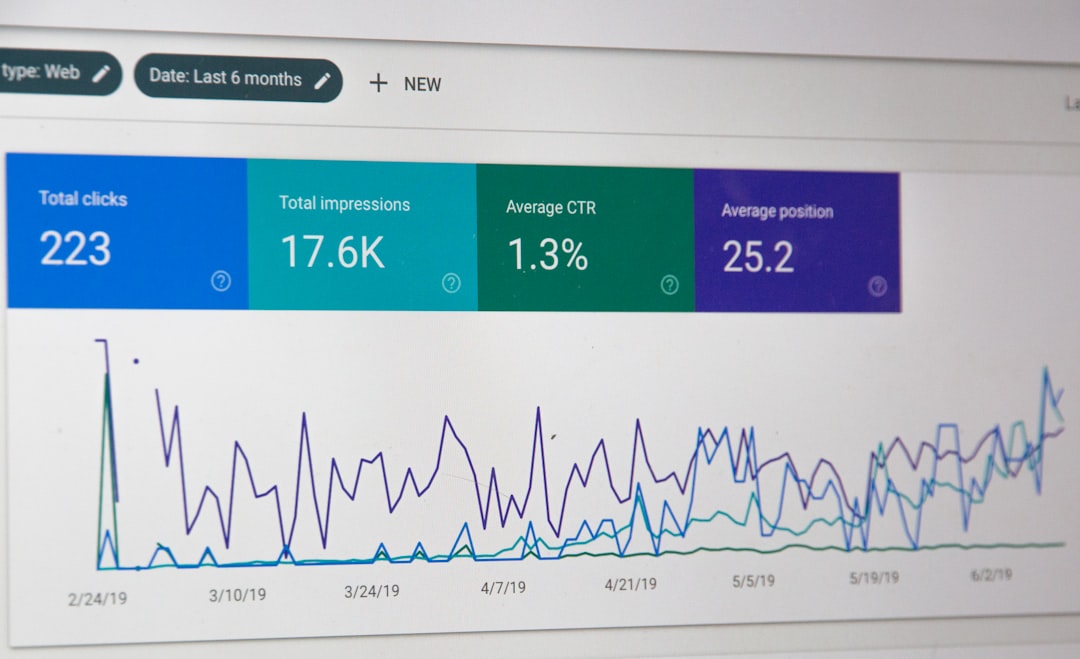
Trustworthy SEO agencies provide regular reporting that connects activities to outcomes. Reports should not simply list completed tasks; they should explain what changed, what the data indicates, and what actions should follow. Typical metrics include keyword rankings, organic sessions, conversions, click-through rates, indexed pages, backlink quality, and revenue contribution where tracking is available.
Serious reporting should also acknowledge uncertainty. Search algorithms change, competitors improve their websites, and user behavior evolves. A professional agency should be prepared to adapt the strategy rather than promise fixed rankings or unrealistic timelines.
Global Reach and International SEO
For companies operating across multiple markets, global SEO adds another level of complexity. Ranking well in one country does not automatically guarantee visibility elsewhere. International SEO requires market-specific research, localized content, appropriate technical signals, and cultural awareness.
An agency such as Interamplify may support global reach by helping businesses identify high-potential regions, understand local search behavior, and build pages that reflect the language, terminology, and expectations of each audience. Direct translation is rarely enough. Successful localization considers local competitors, buying habits, regulations, currency, spelling, and preferred content formats.
Image not found in postmetaKey Elements of International SEO
- Hreflang implementation: Helping search engines serve the correct language or regional version of a page.
- Localized keyword research: Identifying how people actually search in each target market.
- Market-specific content: Creating pages that feel natural and relevant to local audiences.
- International site structure: Choosing between subdirectories, subdomains, or country-code domains.
- Regional authority signals: Building reputation through local publications, directories, and partnerships.
Global SEO is especially important for SaaS companies, export-driven businesses, professional services firms, eCommerce brands, and enterprises with multilingual audiences. It can create durable visibility in multiple regions, but it requires patience and operational discipline.
What Businesses Should Expect from Interamplify SEO Services
Companies considering Interamplify or any comparable SEO agency should expect a professional, evidence-based approach. Initial conversations should include questions about business model, target customers, margins, sales cycles, existing analytics, and previous SEO work. This helps the agency understand what type of organic growth will be most valuable.
A serious agency relationship should include:
- Clear scope: Defined deliverables, responsibilities, and timelines.
- Realistic expectations: Honest discussion about competition, investment, and timeframes.
- Accessible communication: Regular meetings, clear explanations, and responsive account management.
- Ethical methods: Avoidance of spam tactics, hidden link schemes, and misleading promises.
- Continuous improvement: Ongoing testing, updates, and strategic adjustments.
How to Evaluate SEO Success
SEO success should be measured according to business outcomes, not rankings alone. Rankings are important, but they are only one indicator. A page can rank well and still fail if it attracts the wrong audience or does not convert visitors into leads, customers, or subscribers.
Useful performance indicators include organic revenue, qualified leads, assisted conversions, engagement metrics, visibility for priority topics, and growth in branded search over time. For B2B companies, it may also be important to connect SEO performance with CRM data so that leadership can see whether organic leads are becoming sales opportunities.
Final Thoughts
Interamplify SEO services, when understood as part of a structured and ethical SEO program, should focus on building sustainable organic growth. The most effective strategy combines technical excellence, relevant content, authority development, analytics, and market-specific planning. For businesses with international ambitions, global SEO can be a powerful channel, but it demands careful localization and long-term commitment.
Before selecting any SEO agency, companies should look for transparency, strategic thinking, credible reporting, and a clear understanding of commercial goals. SEO is not a shortcut; it is a disciplined process of making a website more useful, more accessible, and more trusted. With the right agency relationship and a realistic roadmap, organic search can become one of the most reliable sources of digital growth.