Some brands are quiet. Some brands shout. Audio and technology companies often live in the middle. They need a logo that feels smart, clear, and full of energy. A noise logo can do that. It can turn sound, signal, static, rhythm, and motion into a visual mark people remember.
TLDR: A noise logo uses ideas from sound, waves, static, speakers, and digital signals to create a strong brand mark. It works well for audio brands, music apps, podcast platforms, sound studios, AI tools, and tech companies. The best noise logos are simple, flexible, and easy to recognize. They should feel alive, but not messy.
What Is a Noise Logo?
A noise logo is not just a logo that looks loud. It is a logo inspired by sound. It may show waves. It may show dots. It may show static. It may show a pulse, a speaker, a waveform, or a digital glitch.
The word “noise” can mean many things. It can mean music. It can mean data. It can mean chaos. It can mean energy. For a brand, that is useful. It gives you a large playground.
Think of a music app. It needs to feel fun and fresh. Think of a podcast tool. It needs to feel clear and trusted. Think of an AI audio company. It needs to feel advanced. A noise logo can fit all of these.
The trick is balance. Too much noise becomes clutter. Too little noise becomes boring. A great logo finds the sweet spot.
Why Noise Works for Audio and Tech Brands
Noise is a strong visual idea because everyone understands sound. Even if we do not see it, we can feel it. A bass drop shakes the room. A phone ping grabs attention. A soft melody calms us down.
Technology also has its own kind of noise. Code has patterns. Screens have pixels. Networks send signals. Machines read data. These ideas can become shapes in a logo.
For audio and tech companies, this is perfect. The logo can say, “We deal with sound.” It can also say, “We are modern.” That is a powerful combo.
- Audio brands can use waves, speakers, and rhythm.
- Technology brands can use pixels, grids, and signals.
- AI brands can use pulses, nodes, and smart patterns.
- Music brands can use motion, color, and beat.
- Podcast brands can use voice, circles, and friendly shapes.

Core Branding Concepts for a Noise Logo
A noise logo can look many ways. But most good ones start with one clear concept. Pick one main idea. Then build around it.
1. The Waveform
The waveform is a classic choice. It looks like sound captured on a screen. It feels technical, but still human. A waveform can show voice, music, or motion.
Use it if your company records, edits, streams, or analyzes sound. Keep the wave simple. A logo is not a science chart. It must work at tiny sizes.
2. The Speaker Symbol
A speaker icon is direct. People get it fast. It says “sound” in one second. But it can also feel common. So add a twist.
Maybe the speaker becomes a letter. Maybe the sound rings become data dots. Maybe the speaker shape hides a play button. Small surprises make simple logos stronger.
3. Static and Grain
Static can feel edgy. It can feel raw. It can also feel digital. This works well for experimental music brands, sound design studios, and creative tech companies.
Be careful with static. Too much grain can make the logo hard to read. Use it as a texture, not as the whole idea.
4. The Pulse
A pulse feels alive. It looks like energy moving through a system. It can stand for sound, health, AI, or data flow.
This is a great concept for companies that process audio in real time. It can also work for event tech, live streaming, and smart devices.
5. Glitch Style
Glitch logos feel futuristic. They look like a screen breaking in a cool way. This can fit gaming audio, cyber security, AI sound tools, and digital art platforms.
But do not overdo it. A glitch should be controlled. It should feel designed, not broken by accident.
Shapes That Feel Like Sound
Shapes have moods. Yes, even shapes have vibes. A circle feels friendly. A square feels stable. A sharp triangle feels bold. A wavy line feels smooth.
For a noise logo, shapes should support the brand personality.
- Circles feel like speakers, records, headphones, and sound rings.
- Lines feel like waveforms, cables, frequencies, and movement.
- Dots feel like pixels, data, particles, and tiny sound bits.
- Bars feel like equalizers, volume meters, and control panels.
- Broken shapes feel like glitches, static, and digital noise.
A logo for a calm meditation audio app may use soft circles and smooth waves. A logo for a loud DJ tool may use sharp bars and bold contrast. A logo for an AI voice company may use dots, nodes, and clean geometry.
Color Ideas for Noise Logos
Color can change everything. The same waveform can feel soft, wild, premium, or futuristic. So choose color with care.
Black and white is timeless. It works well for studios, gear brands, and professional audio tools. It feels serious and strong.
Neon colors feel digital and loud. Think electric blue, hot pink, acid green, and violet. These are great for music apps, gaming audio, and nightlife brands.
Soft gradients feel modern and smooth. They work well for streaming platforms, AI tools, and creator apps. A blue to purple gradient can feel very tech friendly.
Warm colors feel human. Orange, yellow, and red can make an audio brand feel lively and creative. They can also help a podcast brand feel more personal.
Muted colors feel premium. Deep navy, charcoal, cream, and bronze can make a sound company feel refined. This is useful for high end audio gear or studio services.
Typography That Sounds Good
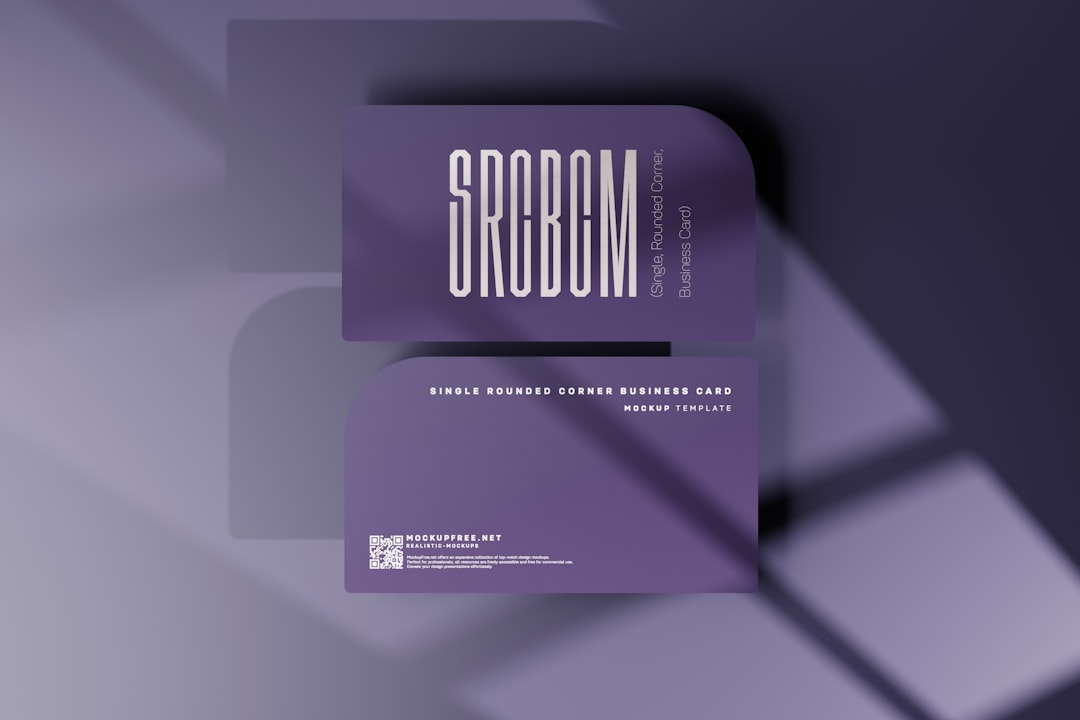
A logo is not only an icon. The type matters too. The font can make your brand feel smooth, loud, playful, or precise.
For tech brands, clean sans serif fonts often work well. They feel modern. They are easy to read. They do not get in the way.
For music brands, you can be more expressive. A rounded font can feel friendly. A bold font can feel loud. A narrow font can feel sleek and club ready.
For premium audio brands, use a more refined typeface. Think simple, balanced, and elegant. Less decoration. More confidence.
One fun trick is to add sound into the letters. The letter “O” can become a speaker. The letter “I” can become a volume bar. The letter “N” can look like a waveform. But keep it readable. If people cannot read the name, the joke is not worth it.
Simple Logo Ideas You Can Explore
Need ideas? Here are some easy concepts to spark your brain.
- Wave in a circle: A clean waveform inside a round badge. Great for podcast or voice apps.
- Pixel speaker: A speaker made from small squares. Great for tech audio tools.
- Glitch letter: One letter in the brand name has a small digital break. Great for AI or gaming brands.
- Equalizer mark: Vertical bars form a hidden initial. Great for music software.
- Signal rings: Curved lines radiate from a dot. Great for streaming or Bluetooth products.
- Sound particle cloud: Dots form a wave shape. Great for data driven audio brands.
- Minimal record: A simple circle with one tiny wave cutout. Great for music labels.
These ideas are not rules. They are starting points. Mix them. Bend them. Make them yours.
Noise Does Not Mean Mess
This is important. A noise logo should not look like a visual accident. It should still be clean. It should still be planned. It should still be easy to use.
A logo must work in many places. It may appear on an app icon. It may sit on a website. It may be printed on headphones. It may be stitched on a hoodie. It may be tiny in a browser tab.
If the design only works when it is huge, it is not ready. Test it small. Test it in black and white. Test it on light and dark backgrounds. Test it with no effects.
The best logos survive simple tests.
- Can people read it fast?
- Can they remember it later?
- Does it match the brand mood?
- Does it still work as one color?
- Does it look good as an app icon?
Brand Personality: Pick Your Volume
Every noise logo has a volume level. Some are a whisper. Some are a roar. Decide what your brand sounds like before you design.
Quiet and clean logos work for tools that need trust. Think editing software, audio restoration, or professional studio platforms.
Bright and playful logos work for creator tools, music apps, and podcast platforms.
Dark and intense logos work for gaming sound, electronic music, and high energy tech.
Smart and futuristic logos work for AI voice, speech analytics, and sound recognition companies.
Your logo should not copy the loudest brand in the room. It should match your own voice. A meditation sound app should not look like a heavy metal plugin. Unless that is the joke. And honestly, that could be funny.
Using Motion in a Noise Brand
Many audio and tech brands live on screens. That means your logo can move. Lucky you.
A waveform can pulse. Dots can form a signal. A speaker can send out rings. A glitch can flicker for a split second. Motion can make a noise logo feel alive.
But keep motion short. A logo animation should not feel like a movie trailer. One or two seconds is often enough. The goal is delight. Not delay.
Motion is also useful for sound branding. You can match the logo animation with a tiny audio cue. A soft ping. A bass pop. A digital sparkle. This creates a full brand moment. People see it and hear it.
Common Mistakes to Avoid
Noise logos are fun. But they can go wrong fast. Here are some traps.
- Too many details: Tiny waves and dots may vanish at small sizes.
- Random effects: Glitch, blur, and grain need a reason.
- Weak contrast: A sound logo should not fade into the background.
- Hard to read type: Style should not beat clarity.
- Copycat icons: A basic speaker symbol may look generic.
- No brand story: Pretty shapes are not enough.
A simple logo with one strong idea beats a complex logo with ten weak ideas. Every time.
How to Make the Logo Feel Ownable
An ownable logo feels like it belongs only to your brand. That is the goal. You want people to see it and think of you.
Start with your name. Does it have letters that can become sound shapes? Does it include words like wave, beat, echo, pulse, mix, tone, or signal? If yes, use that.
Next, look at your product. What do you actually do? Do you clean noisy recordings? Do you create music? Do you stream audio? Do you build smart chips? Your logo can hint at that job.
Then, choose one visual hook. Maybe it is a broken ring. Maybe it is a three dot pulse. Maybe it is a waveform shaped like your first letter. Keep that hook consistent across your brand.
Use it on icons. Use it in patterns. Use it on social posts. Use it in motion graphics. Repetition builds memory.
Final Thoughts
A noise logo is a smart choice for audio and technology companies. It can show sound, data, energy, and motion in one simple mark. It can feel human and digital at the same time.
The best noise logos are not just loud. They are clear. They have rhythm. They have personality. They know when to turn the volume up and when to stay cool.
So start simple. Pick a sound idea. Choose shapes with purpose. Use color with care. Make the type readable. Then test it everywhere.
If your logo can make people feel the sound before they hear it, you are on the right track. That is the magic of a great noise logo.