
Infrastructure monitoring can feel like watching a giant spaceship dashboard. Servers blink. Apps cough. Networks get moody. Icinga is a strong tool for this job, but it is not the only captain on the bridge. If Icinga feels too complex, too manual, or just not your flavor, there are many great choices.
TLDR: The best Icinga alternative depends on your team, budget, and setup. Zabbix and Checkmk are great open source choices. Datadog, Dynatrace, and New Relic are easier if you want a polished cloud platform. Prometheus with Grafana is best for cloud native teams that love metrics and dashboards.
Why Look for an Icinga Alternative?
Icinga is powerful. It is flexible. It can monitor many things. That is the good news.
The tricky part is that Icinga can take time to set up. It may need careful configuration. It may also feel a bit heavy for smaller teams. Some teams want prettier dashboards. Some want faster alerts. Some want less server babysitting.
That is where alternatives come in. The right tool can save time. It can reduce alert noise. It can make problems easier to spot. It can also make your on-call team less grumpy. That is a huge win.
Let us look at the best Icinga alternatives. We will keep it simple. No scary jargon monster here.
1. Zabbix
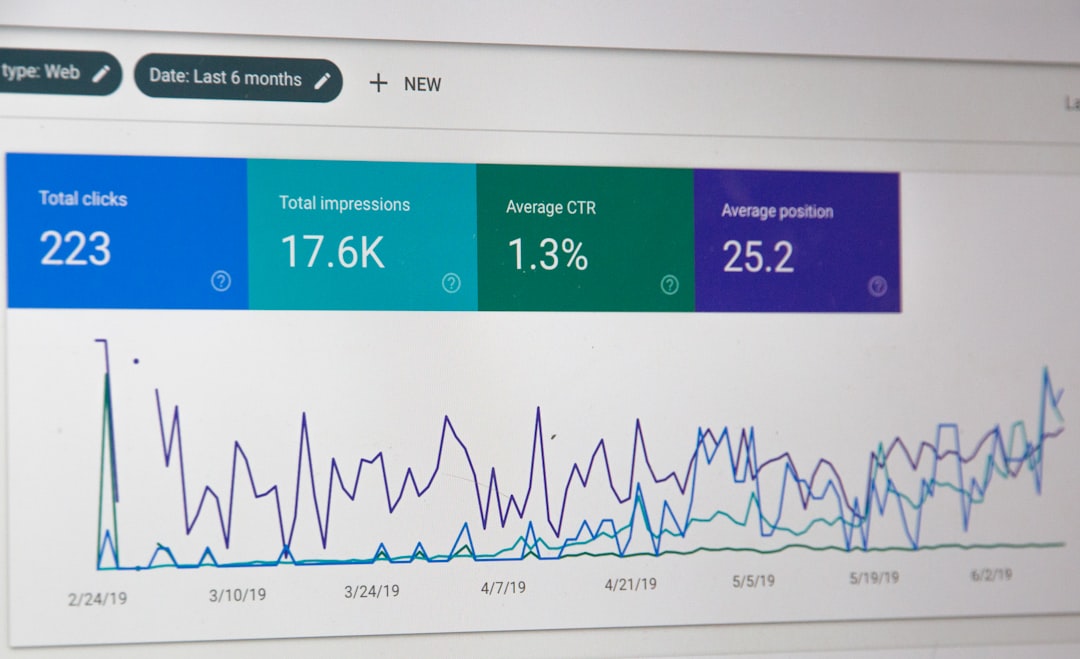
Zabbix is one of the strongest open source monitoring tools. It can monitor servers, networks, clouds, apps, databases, and more. It is a popular Icinga alternative because it is mature and very capable.
Zabbix gives you dashboards, alerts, graphs, templates, and reports. It also has auto discovery. That means it can find devices and services for you. Nice.
Best for: Teams that want a free, powerful, self hosted monitoring system.
Why people like it:
- It is open source.
- It handles large environments well.
- It has many templates.
- It supports agent and agentless monitoring.
- It has strong alerting features.
Watch out for: The interface can feel crowded at first. Setup can also take some patience.
Simple verdict: Zabbix is like a big toolbox. It has almost everything. You just need to learn where the tools are.
2. Checkmk
Checkmk is another excellent Icinga alternative. It is known for being fast, smart, and easier to manage than many older monitoring tools.
Checkmk can monitor servers, containers, networks, storage, databases, and cloud services. It has strong auto discovery. It also has many ready made checks. This saves time.
Best for: Teams that want strong monitoring without endless manual setup.
Why people like it:
- It finds services automatically.
- It has a clean web interface.
- It scales well.
- It supports hybrid infrastructure.
- It reduces manual configuration work.
Watch out for: Some advanced features are in the paid edition.
Simple verdict: Checkmk is practical. It feels like monitoring with training wheels, but in a good way.
3. Prometheus and Grafana
Prometheus and Grafana are a famous pair. Prometheus collects metrics. Grafana makes them look beautiful. Together, they are very popular in cloud native environments.
This combo is especially strong for Kubernetes, containers, microservices, and modern apps. Prometheus uses a pull model. It scrapes metrics from targets. Grafana then turns those metrics into dashboards that make people say, “Ooooh.”
Best for: DevOps teams, SRE teams, and cloud native platforms.
Why people like it:
- It is open source.
- It works very well with Kubernetes.
- Grafana dashboards are excellent.
- It has a huge community.
- It is great for metrics and trends.
Watch out for: Prometheus is not a full all in one monitoring suite by default. Logs, traces, and long term storage may need extra tools.
Simple verdict: Prometheus and Grafana are the cool kids of modern monitoring. Very stylish. Very useful. A bit DIY.
4. Datadog
Datadog is a cloud based monitoring platform. It is polished. It is powerful. It is also very popular with fast moving teams.
Datadog covers infrastructure, logs, application performance, security, user experience, and more. It gives you a single place to watch your systems. That can be a big relief.
You install agents. You connect integrations. Then dashboards start filling with useful data. It feels smooth compared with many self hosted tools.
Best for: Teams that want a cloud platform with lots of features.
Why people like it:
- It is easy to start.
- It has many integrations.
- Dashboards look great.
- Alerting is flexible.
- It combines metrics, logs, and traces.
Watch out for: Costs can grow fast. Watch your usage like a hawk with a calculator.
Simple verdict: Datadog is like a fancy control room in the cloud. Great view. Great buttons. Not always cheap.
5. New Relic
New Relic is another strong cloud monitoring platform. It is especially good for application performance monitoring. But it also handles infrastructure monitoring well.
New Relic helps you see how apps, servers, containers, and services behave. It also helps connect infrastructure problems to app problems. That is useful when users are complaining and everyone is asking, “Is it the server or the code?”
Best for: Teams that care about both apps and infrastructure.
Why people like it:
- It has strong APM features.
- It supports logs, metrics, and traces.
- It has useful dashboards.
- It is good for troubleshooting app issues.
- It works well in cloud environments.
Watch out for: Pricing and data limits can need careful review.
Simple verdict: New Relic is great when you want to connect the dots between infrastructure and application health.
6. Dynatrace
Dynatrace is a premium observability platform. It uses automation and AI to help detect problems. It is built for large, complex environments.
Dynatrace can map dependencies automatically. It can show how services connect. It can also point to root causes. That means fewer wild goose chases at 2 a.m.
Best for: Large companies with complex systems and bigger budgets.
Why people like it:
- It has strong automation.
- It gives deep visibility.
- It can find root causes quickly.
- It supports cloud, containers, apps, and infrastructure.
- It is good for enterprise teams.
Watch out for: It can be expensive. It may be more than small teams need.
Simple verdict: Dynatrace is the smart robot detective of monitoring. Very clever. Very serious.
7. PRTG Network Monitor
PRTG Network Monitor is a friendly tool from Paessler. It is known for being easy to use. It works well for network monitoring, server monitoring, and device monitoring.
PRTG uses sensors. A sensor monitors one thing. For example, CPU usage, disk space, bandwidth, or uptime. This makes the system easy to understand.
Best for: Small and mid sized teams that want simple setup and strong network monitoring.
Why people like it:
- It is easy to install.
- It has a clear interface.
- It is great for network devices.
- It has automatic discovery.
- It offers useful maps and reports.
Watch out for: Sensor based pricing can become costly as you grow.
Simple verdict: PRTG is friendly and clear. It is a great choice if you want fewer headaches.
8. Nagios
Nagios is one of the old legends of monitoring. In fact, Icinga started as a fork of Nagios. So Nagios is like the grandparent in this family story.
Nagios is reliable and widely known. It has many plugins. It can monitor many systems. But it can also feel old fashioned compared with newer tools.
Best for: Teams that already know Nagios or need classic plugin based monitoring.
Why people like it:
- It has a long history.
- It has many plugins.
- It is stable.
- It has a large community.
- It works well for basic checks.
Watch out for: The user experience can feel dated. Scaling and configuration may take work.
Simple verdict: Nagios is dependable. It may not dance, but it shows up to work.

9. SolarWinds Server and Application Monitor
SolarWinds Server and Application Monitor, often called SAM, is a commercial tool for monitoring servers and apps. It is popular in traditional IT environments.
It works well with Windows, Linux, virtualization, databases, and many enterprise systems. It also has good visual maps and dashboards.
Best for: IT teams in enterprise or mixed environments.
Why people like it:
- It has strong server monitoring.
- It supports many enterprise apps.
- It has good dashboards.
- It works well with other SolarWinds tools.
- It is useful for traditional infrastructure.
Watch out for: It can be pricey. It may also feel heavy for small teams.
Simple verdict: SolarWinds SAM is built for serious IT shops. It wears a tie, carries a clipboard, and gets things done.
10. LibreNMS
LibreNMS is an open source network monitoring tool. It is great for routers, switches, firewalls, and other network gear. It uses SNMP heavily.
If your main concern is the network, LibreNMS is worth a look. It has auto discovery, alerting, graphs, and device support. It is also free and community driven.
Best for: Network focused teams that want open source monitoring.
Why people like it:
- It is free and open source.
- It has strong network device support.
- It discovers devices automatically.
- It provides useful graphs.
- It has an active community.
Watch out for: It is not the best all in one tool for apps and modern cloud stacks.
Simple verdict: LibreNMS is a network watcher with sharp eyes. Great for switches. Less great for everything else.
How to Choose the Right Icinga Alternative
Picking a monitoring tool can feel like choosing a pizza topping for a whole office. Everyone has opinions. Some are loud.
Start with your real needs. Ask simple questions.
- Do you want open source? Try Zabbix, Checkmk, Prometheus, or LibreNMS.
- Do you want easy cloud setup? Look at Datadog, New Relic, or Dynatrace.
- Do you use Kubernetes? Prometheus and Grafana are hard to beat.
- Do you monitor lots of network devices? Consider PRTG or LibreNMS.
- Do you need enterprise support? Check Dynatrace, SolarWinds, Datadog, or Checkmk Enterprise.
- Is budget tight? Open source may be your best friend.
Also think about your team. A powerful tool is not useful if nobody wants to use it. A simple tool can be better than a giant tool that gathers dust.
Best Picks by Use Case
Here is the quick menu. No waiter needed.
- Best open source all rounder: Zabbix
- Best for easier self hosted monitoring: Checkmk
- Best for Kubernetes and metrics: Prometheus plus Grafana
- Best cloud monitoring platform: Datadog
- Best for app and infrastructure visibility: New Relic
- Best for enterprise automation: Dynatrace
- Best for network monitoring: PRTG or LibreNMS
- Best classic option: Nagios
Final Thoughts
Icinga is still a solid monitoring tool. But it is not the only game in town. The best alternative depends on what you need most.
If you want control and low cost, choose an open source tool. Zabbix, Checkmk, and Prometheus with Grafana are excellent. If you want speed, polish, and less maintenance, choose a cloud platform. Datadog, New Relic, and Dynatrace shine there.
Do not chase the fanciest tool. Chase the tool your team will actually use. Good monitoring should feel like a helpful friend. It should tap you on the shoulder before the fire starts. It should not scream every five minutes because a printer sneezed.
Choose wisely. Test before you commit. And may your dashboards stay green.