
Classrooms have changed dramatically over the past decade. Students now move between physical labs, laptops, tablets, home Wi Fi, learning management systems, cloud apps, and specialized software that may only run on certain operating systems. For schools, colleges, and universities, this creates a difficult question: how do you provide reliable, secure, and equal access to digital learning tools without constantly buying, configuring, and repairing individual devices? One increasingly popular answer is Virtual Desktop Infrastructure, commonly known as VDI.
TLDR: VDI solutions allow educational institutions to deliver virtual desktops and applications to students, teachers, and staff from a central environment. This makes it easier to manage software, improve cybersecurity, support remote learning, and extend the life of older devices. While VDI requires careful planning, the right solution can reduce IT complexity and create a more flexible, accessible learning experience.
What Is VDI in Education?
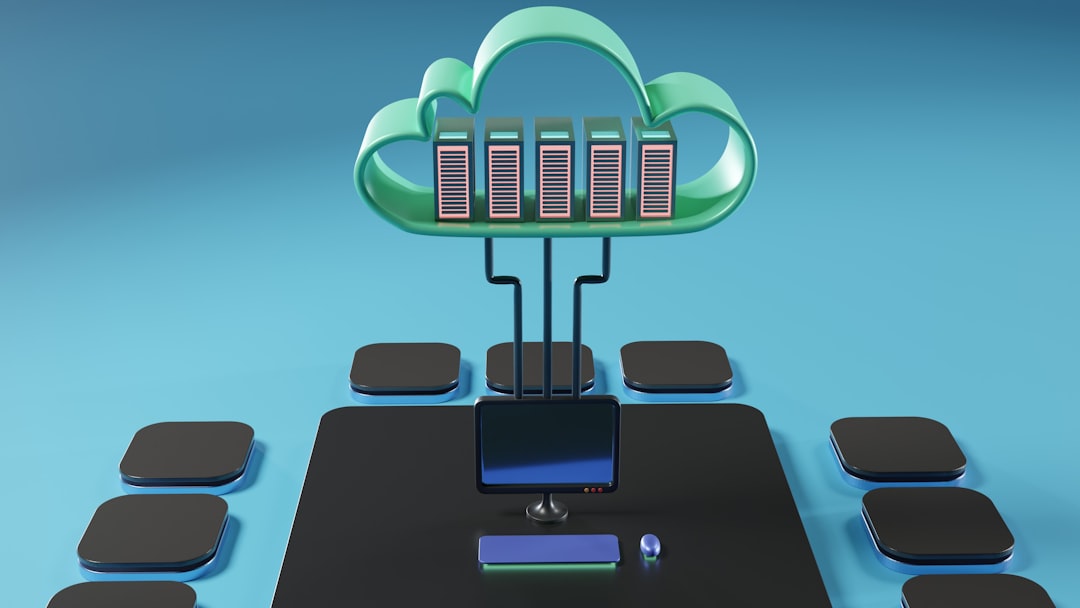
VDI is a technology that hosts desktop environments on centralized servers rather than on individual computers. Instead of running everything locally on a school lab PC or student laptop, users connect to a virtual desktop through a network connection. The desktop looks and feels familiar, but the actual processing, storage, and management happen in a controlled data center or cloud environment.
In education, this means a student can log into the same desktop from a computer lab, a library workstation, a personal laptop, or even a tablet. A teacher can access grading tools from home. An engineering student can use demanding design software without needing a high end personal computer. IT administrators can update applications once and make them available to hundreds or thousands of users.
At its best, VDI turns any compatible device into a secure doorway to a complete learning workspace.
Why Schools and Universities Are Turning to VDI
Educational institutions face a unique mix of technology challenges. They must serve large numbers of users, manage tight budgets, protect sensitive data, support diverse academic programs, and adapt quickly to changes in learning models. VDI directly addresses many of these needs.
- Device flexibility: Students and staff can use many types of devices to access the same virtual environment.
- Centralized management: IT teams can deploy updates, patches, and applications from one place.
- Improved security: Data can remain in the central infrastructure instead of being stored on endpoint devices.
- Remote access: Learners can access school resources from home, internships, libraries, or study spaces.
- Consistent experience: Every user can receive the same desktop, apps, and settings regardless of location.

Supporting Remote and Hybrid Learning
The rise of remote and hybrid learning has made VDI especially valuable. When students are away from campus, they still need access to course materials, licensed applications, lab environments, and shared academic resources. Traditional approaches often require complex installations on personal devices, which can lead to compatibility issues, support calls, and unequal access.
With VDI, the institution can provide a standardized digital workspace that students reach through a secure login. This can be particularly helpful for courses that depend on specialized tools, such as statistics software, programming environments, graphic design suites, accounting applications, language lab tools, or computer aided design platforms.
Instead of asking students to install large applications or purchase expensive hardware, schools can deliver the software virtually. This helps create a more inclusive academic environment, especially for students who rely on older computers or shared family devices.
Improving Equity and Access
One of the strongest arguments for VDI in education is its potential to reduce the digital divide. Not every student owns a new laptop with powerful specifications. Some students use low cost devices, borrowed computers, or public access machines. Others may have limited storage space or outdated operating systems.
VDI can help by shifting the computing workload away from the student device and into a managed environment. A basic laptop or thin client may be enough to connect to the virtual desktop. This allows educational institutions to provide access to advanced tools without expecting every learner to own advanced hardware.
For students, the benefit is simple: they can focus on learning rather than fighting with installation problems, missing software, or incompatible systems.
Reducing the Burden on IT Teams
School and university IT departments often support thousands of users with limited staff. They manage computer labs, faculty devices, administrative systems, Wi Fi networks, cybersecurity tools, and help desk requests. VDI can simplify many routine tasks by centralizing desktop and application management.
For example, if a software update is needed for a class of 300 students, IT does not have to visit 300 machines. The update can be applied to a master image or application layer, then delivered to everyone who needs it. If a virtual desktop becomes corrupted, it can often be reset quickly. If a student forgets a device or uses a different machine, their desktop can still follow them.
This central control can also make onboarding and offboarding easier. New students can receive the correct applications based on their courses. Graduating students or former staff can have access removed promptly, helping maintain security and licensing compliance.
Security Benefits for Educational Institutions
Education has become a major target for cyberattacks. Schools and universities store sensitive information, including student records, research data, financial details, health information, and staff credentials. At the same time, they operate open environments where many users connect from many locations and devices.
VDI can strengthen security by keeping data and applications inside a controlled infrastructure. If a student laptop is lost or stolen, sensitive files may not be stored locally. If a shared device is used, the session can be isolated from the endpoint. IT teams can also apply security policies consistently across virtual desktops.
Common security advantages include:
- Centralized data storage that reduces exposure on personal devices.
- Role based access so users only see the resources they need.
- Faster patching of operating systems and applications.
- Session controls such as timeouts, restrictions, and monitoring.
- Integration with multifactor authentication for stronger identity protection.
VDI is not a complete security solution by itself, but it can be a powerful part of a broader cybersecurity strategy that includes identity management, endpoint protection, network security, backups, and user training.

VDI for Computer Labs and Specialized Software
Many campuses still depend on physical computer labs, especially for classes that require licensed or resource intensive software. However, traditional labs can be expensive to maintain. Machines age, hardware fails, software installations drift out of sync, and lab access may be limited to certain hours or buildings.
VDI can modernize the computer lab model. Instead of tying software to a specific room, institutions can provide virtual lab access from almost anywhere. A student working on a data science assignment at midnight can connect to the same environment they would normally use in the campus lab. A design student can access required tools without waiting for a particular workstation to become available.
This does not necessarily mean physical labs disappear. Instead, they can become more flexible. Some schools use thin clients, repurposed older PCs, or shared workstations that connect to virtual desktops. Others maintain high performance local machines for certain use cases while moving general academic computing to VDI.
Cost Considerations: Savings and Tradeoffs
VDI can save money, but it is important to understand where the savings come from and where costs may increase. Institutions may reduce spending on high end endpoint devices, extend the life of older hardware, simplify software deployment, and reduce support time. They may also use shared infrastructure more efficiently than individual computers.
However, VDI requires investment in servers, cloud resources, storage, networking, licensing, security, and skilled administration. Performance expectations also matter. A virtual desktop for basic productivity is very different from one used for video editing, 3D modeling, or engineering simulations.
Before choosing a solution, schools should evaluate:
- User groups: students, faculty, researchers, administrators, and guest users may need different desktop types.
- Application requirements: some software needs graphics acceleration, high memory, or specific licensing models.
- Network capacity: reliable connectivity is essential for a smooth VDI experience.
- Storage performance: slow storage can make virtual desktops feel sluggish.
- Support model: IT teams need tools and training to manage the environment effectively.
The goal is not simply to make desktops virtual; the goal is to deliver a better learning experience in a sustainable way.
Cloud VDI vs On Premises VDI
Educational institutions can deploy VDI in different ways. An on premises VDI environment runs on infrastructure owned and managed by the institution. This can offer strong control, predictable performance, and integration with existing systems. It may be preferred by universities with mature data centers or strict data governance needs.
Cloud based VDI, sometimes called Desktop as a Service, uses cloud infrastructure to host virtual desktops. This can reduce the need to buy and maintain physical servers. It may also scale more easily during enrollment changes, exam periods, summer programs, or temporary remote learning needs.
Many institutions use a hybrid approach. They keep some workloads on campus while using cloud resources for overflow capacity, remote learners, or specialized programs. The best choice depends on budget, compliance, IT skills, connectivity, and long term strategy.
Key Features to Look for in an Education VDI Solution
Not all VDI platforms are the same. Education has specific needs that differ from corporate environments. A strong solution should support flexibility, security, and easy administration while keeping the user experience smooth.
- Simple user access: Students should be able to log in easily through a browser, client app, or learning portal.
- Scalable performance: The platform should handle peak usage during classes, exams, and registration periods.
- Application delivery options: IT should be able to provide full desktops, individual apps, or course specific environments.
- Profile management: Users should have a consistent experience without creating unnecessary storage bloat.
- Graphics support: Programs for design, media, architecture, and engineering may require GPU acceleration.
- Strong identity integration: The system should work with existing directories, single sign on, and multifactor authentication.
- Monitoring and analytics: IT teams need visibility into performance, usage, and potential issues.
Challenges to Plan For
Although VDI offers many benefits, successful implementation requires planning. Poorly designed VDI can frustrate users with slow logins, laggy applications, or inconsistent access. In education, user expectations vary widely, and adoption depends on reliability.
Common challenges include network limitations, underestimating storage needs, application licensing restrictions, insufficient graphics resources, and lack of user training. Faculty may need support redesigning workflows around virtual labs. Students may need clear instructions for connecting from personal devices. IT teams may need to adjust help desk processes for virtual sessions.
A phased rollout can reduce risk. Many institutions begin with one department, one lab, or one student group. After gathering feedback and measuring performance, they expand to additional programs.
Best Practices for Successful Deployment
To get the most from VDI, educational institutions should treat it as both a technology project and a learning experience initiative. The following practices can help:
- Start with clear goals. Decide whether the priority is remote access, lab modernization, cost control, security, or software availability.
- Segment users by need. A humanities student, an architecture student, and a finance administrator may require very different virtual desktops.
- Pilot with real users. Test with actual students and faculty using real coursework, not only technical benchmarks.
- Measure performance. Track login times, application responsiveness, network latency, and support tickets.
- Communicate clearly. Provide guides, orientation materials, and help channels so users know how to connect and what to expect.
- Review regularly. Course requirements, software versions, and enrollment patterns change, so the VDI environment should evolve too.
The Future of VDI in Education
As digital learning continues to expand, VDI is likely to play an even larger role in education. The future classroom is not limited to one building or one type of device. Students may move between physical campus spaces, remote internships, online courses, virtual labs, and collaborative research platforms. VDI helps create a stable digital foundation for that movement.
It also supports new teaching models. Instructors can prepare standardized lab environments before class begins. Students can experiment safely without damaging local machines. Researchers can access controlled workspaces for sensitive data. Institutions can respond faster when programs change or new tools are introduced.
VDI solutions for education are ultimately about access. They give learners access to the software they need, teachers access to flexible instructional tools, and IT teams access to centralized control. When planned carefully, VDI can make educational technology more secure, more manageable, and more inclusive.
For schools and universities seeking to modernize learning environments, support hybrid education, and reduce the complexity of device management, VDI is not just an infrastructure upgrade. It is a practical step toward a more flexible and resilient educational future.