Artificial intelligence is rapidly transforming how governments and contractors plan, bid, manage, and execute public sector projects. As procurement processes grow more complex and compliance requirements become stricter, agencies and vendors alike are turning to AI-driven solutions to improve accuracy, speed, and transparency. From opportunity discovery to contract closeout, AI for government contracting is reshaping the entire lifecycle.
TLDR: AI in government contracting helps agencies and vendors automate procurement tasks, improve compliance, analyze large datasets, and make better decisions. It reduces manual workload, enhances accuracy, and increases transparency across the contract lifecycle. Key use cases include proposal automation, risk assessment, fraud detection, and performance monitoring. When implemented responsibly, AI boosts efficiency while maintaining regulatory integrity.
The Growing Complexity of Government Contracting
Government contracting involves a highly regulated environment with strict documentation, auditing standards, and evaluation criteria. Contractors must navigate lengthy requests for proposals (RFPs), compliance requirements such as FAR and DFARS, budget constraints, and detailed technical specifications. Agencies, in turn, must evaluate bids fairly, prevent fraud, and ensure taxpayer funds are used effectively.
Traditional, manual methods of reviewing documents, assessing risk, and tracking performance often lead to bottlenecks. Delays in procurement can slow down critical public projects such as infrastructure development, defense programs, healthcare systems, and IT modernization.
This complexity has created a clear opportunity for AI-powered tools to streamline operations and support data-driven decision-making.
Key Benefits of AI in Government Contracting
1. Enhanced Efficiency and Automation
One of the most immediate benefits of AI is process automation. Government contracting involves repetitive tasks such as:
- Document classification and indexing
- Compliance checks
- Invoice matching
- Contract clause analysis
- Vendor performance tracking
AI systems can automate these processes using machine learning and natural language processing (NLP). This reduces human error and frees procurement professionals to focus on strategic oversight rather than administrative tasks.
2. Improved Compliance and Risk Management
Compliance is critical in public sector procurement. AI tools can be trained to identify non-compliant language in contracts, flag missing documentation, and highlight inconsistencies in vendor submissions.
Predictive analytics models can also assess historical data to detect patterns associated with poor performance, cost overruns, or regulatory violations. This enables agencies to proactively mitigate risks before issues escalate.
3. Faster Proposal Development
For contractors, responding to RFPs is both time-consuming and resource-intensive. AI-powered proposal tools can:
- Analyze solicitation documents
- Extract key requirements
- Generate draft responses
- Match past performance references
- Suggest compliant language
This accelerates proposal turnaround times while maintaining alignment with government requirements. Businesses can pursue more opportunities without significantly expanding their proposal teams.
4. Better Data-Driven Decision Making
Government agencies manage vast amounts of procurement data. AI systems can analyze years of contracting records to uncover insights such as:
- Spending trends
- Vendor performance metrics
- Cost benchmarking
- Market competition levels
These data-driven insights allow procurement officers to optimize sourcing strategies and negotiate more effectively.
5. Enhanced Fraud Detection
Fraud and waste remain ongoing concerns in public sector contracting. AI models can monitor transactions and identify anomalies that may indicate fraudulent behavior, such as duplicate invoices, unusual billing patterns, or conflicts of interest.
Machine learning algorithms continuously improve as they process more data, becoming more accurate in detecting irregular activity over time.
Core Use Cases Across the Contract Lifecycle
Opportunity Identification and Market Intelligence
AI-powered tools scan procurement portals, government databases, and public records to match contractors with relevant opportunities. These systems use semantic search capabilities to understand the context of requirements rather than relying solely on keyword matching.
Contractors benefit from:
- Automated opportunity alerts
- Competitive landscape analysis
- Historical award data insights
This allows organizations to focus efforts on high-probability bids.
Solicitation Analysis and Requirements Extraction
RFPs often span hundreds of pages. AI-based natural language processing tools quickly parse large documents and extract critical elements such as submission deadlines, compliance clauses, technical requirements, and evaluation criteria.
Image not found in postmetaThis reduces the risk of overlooking mandatory requirements and strengthens overall proposal quality.
Proposal Generation and Knowledge Management
AI can serve as an intelligent knowledge management system, indexing past proposals, resumes, case studies, and technical content. When drafting a new proposal, the system suggests relevant past content, ensuring consistency and compliance.
Advanced generative AI tools can draft narrative sections while aligning with tone, structure, and evaluation metrics required by the agency.
Important note: Human oversight remains essential. AI-generated content should always be reviewed for accuracy, compliance, and strategic alignment.
Contract Review and Clause Analysis
Legal review is a critical part of government contracting. AI tools can quickly compare contract clauses against regulatory frameworks and organizational policies. They can:
- Highlight risky terms
- Suggest alternative language
- Compare versions of documents
- Identify deviations from standard templates
This significantly accelerates contract negotiation cycles.
Performance Monitoring and Predictive Analytics
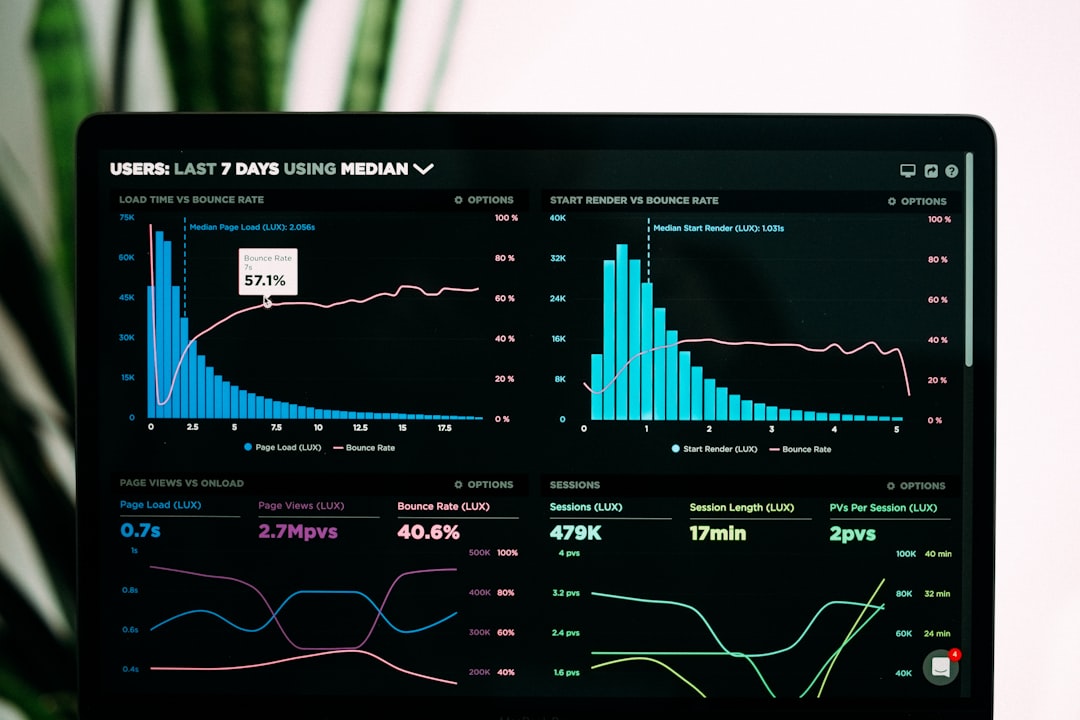
Once a contract is awarded, agencies must track milestones, deliverables, and financial performance. AI dashboards aggregate data from multiple systems and generate real-time performance indicators.
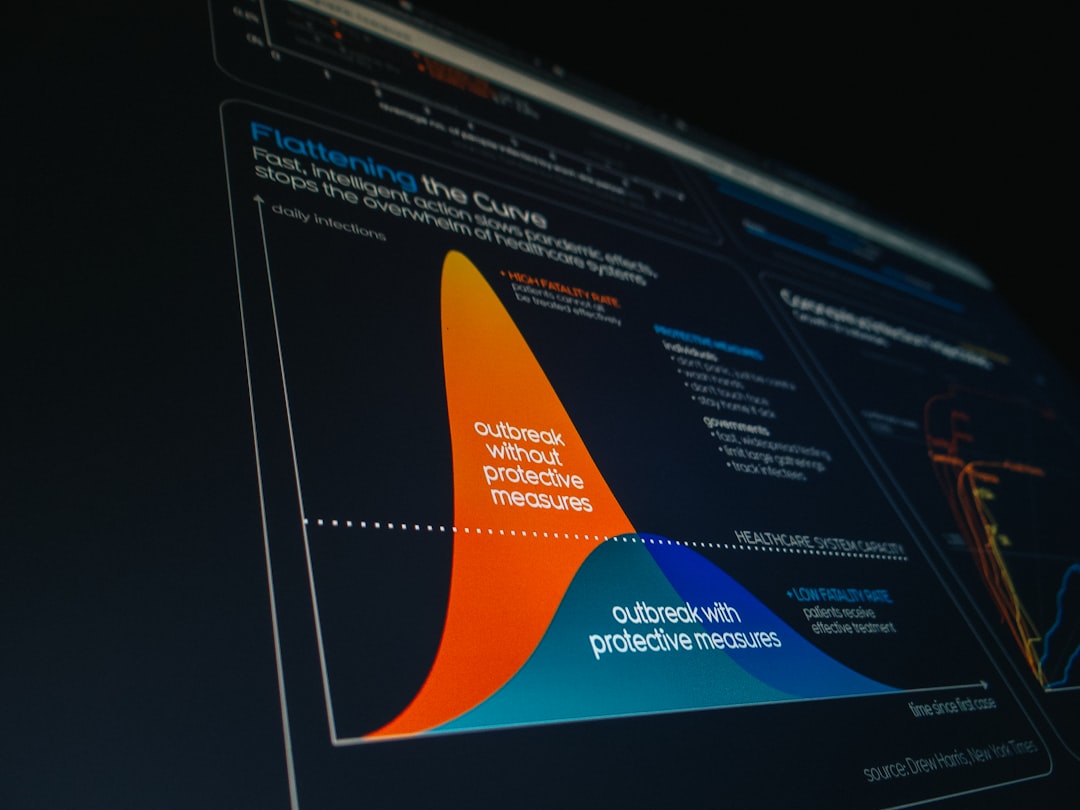
Predictive analytics can forecast potential delays or budget overruns based on current trends, allowing corrective action before contractual obligations are jeopardized.
Spend Analysis and Strategic Sourcing
AI enables deeper spend analysis by categorizing procurement data and identifying consolidation opportunities. Agencies can discover instances where multiple departments are purchasing similar goods or services separately, leading to inefficiencies.
Strategic sourcing powered by AI can recommend optimal supplier combinations and pricing benchmarks, ultimately improving cost savings.
AI for Small and Mid-Sized Contractors
While large enterprises often have dedicated compliance teams and proposal departments, small and mid-sized businesses face tighter resource constraints. AI levels the playing field by:
- Reducing administrative workload
- Automating compliance checks
- Providing smart content suggestions
- Offering competitive intelligence insights
This democratization of advanced analytics helps smaller firms compete more effectively in public sector markets.
Ethical Considerations and Regulatory Compliance
The use of AI in government contracting must align with principles of transparency, fairness, and accountability. Agencies should ensure that AI systems:
- Maintain audit trails for decisions
- Avoid biased algorithms
- Comply with data privacy laws
- Support explainable outputs
Explainable AI is especially important in procurement decisions where fairness and objectivity are paramount. Decision-support systems should enhance, not replace, human judgment.
Implementation Best Practices
Successful AI adoption in government contracting requires more than purchasing software. Organizations should consider the following best practices:
- Start with high-impact use cases: Focus on areas where automation offers clear ROI, such as document review or compliance monitoring.
- Ensure data quality: AI systems rely on accurate and structured data for reliable outputs.
- Train personnel: Staff must understand how to interpret and validate AI-generated insights.
- Maintain oversight: Establish governance policies for ethical AI usage.
Gradual implementation with measurable milestones reduces risk and improves stakeholder buy-in.
The Future of AI in Public Procurement
As AI technologies continue to mature, their role in government contracting will expand. Future developments may include autonomous bid evaluations, real-time regulatory updates embedded in contract systems, and enhanced collaboration tools powered by conversational AI.
The ultimate goal is not to replace procurement professionals but to empower them with intelligent tools that enhance productivity, safeguard compliance, and maximize value for taxpayers.
Frequently Asked Questions (FAQ)
1. How is AI used in government contracting?
AI is used to automate document analysis, improve compliance checks, generate proposals, detect fraud, analyze spending data, and monitor contract performance. It supports both government agencies and contractors across the contract lifecycle.
2. Does AI replace procurement professionals?
No. AI serves as a decision-support tool. Human oversight remains essential for evaluation, negotiation, compliance validation, and ethical considerations.
3. Is AI compliant with government regulations?
AI systems can be designed to align with regulatory standards, but compliance depends on proper configuration, governance, and oversight. Agencies must ensure transparency and auditability.
4. Can small businesses benefit from AI in contracting?
Yes. AI tools help small and mid-sized contractors automate proposal writing, identify relevant opportunities, and manage compliance requirements more efficiently.
5. What are the risks of using AI in public procurement?
Potential risks include algorithmic bias, data privacy concerns, and overreliance on automated outputs. These risks can be mitigated through ethical AI governance, regular audits, and human review.
6. What is the first step to implementing AI in government contracting?
The first step is identifying high-value, low-risk processes suitable for automation, followed by ensuring clean data inputs and establishing governance frameworks for responsible AI use.