In an increasingly digital world, the humble business card remains one of the most powerful tools for personal branding and professional networking. A well-designed business card does more than share contact information—it communicates identity, credibility, and creativity in a matter of seconds. With modern business card makers offering advanced customization, premium materials, and innovative design tools, professionals can now create cards that make a bold and lasting impression.
TLDR: Business card makers today offer powerful customization tools, premium finishes, and creative templates that help professionals stand out instantly. From minimalist layouts to bold, textured designs, the right platform can elevate a simple card into a memorable branding asset. Choosing the best maker depends on design flexibility, material quality, and ease of use. A distinctive card can significantly improve first impressions and networking results.
A business card is often the first tangible representation of a brand. While emails and LinkedIn connections are convenient, they rarely carry the same physical impact. A thoughtfully designed card can spark conversation, reinforce brand identity, and create a memorable touchpoint long after a meeting ends.
Why Standing Out Matters More Than Ever
Events, conferences, and casual meetings are saturated with professionals handing out business cards. In such crowded environments, generic designs are quickly forgotten. Modern business card makers help bridge the gap between ordinary and unforgettable by offering:
- Unique materials such as textured paper, metal, wood, or plastic
- Custom shapes beyond the traditional rectangle
- Premium finishes like foil stamping and embossing
- High-resolution color printing for vibrant results
- Integrated QR codes for seamless digital connectivity
These features allow professionals to align their cards with their brand personality. A minimalist consultant may opt for thick matte cardstock with subtle typography, while a creative agency might choose bold colors and unconventional shapes.
Key Features of Effective Business Card Makers
Not all business card makers deliver the same quality or flexibility. The most effective platforms typically combine ease of use with advanced customization features. Several elements define a high-quality card maker.
1. Intuitive Design Tools
User-friendly design interfaces are crucial. Drag-and-drop editors, alignment guides, editable templates, and real-time previews make the process seamless—even for those without graphic design experience.
2. Extensive Template Libraries
Professional templates tailored to industries such as finance, law, technology, health, and creative services serve as a strong starting point. Customizable typography, spacing, and layout options help refine the design further.
3. Typography and Font Variety
Typography greatly influences first impressions. High-quality card makers provide diverse font libraries, allowing users to select typefaces that align with their branding—whether bold and modern or classic and refined.
4. Premium Printing Options
The printing process impacts durability and tactile appeal. Soft-touch finishes, raised lettering, UV coating, and foil stamping add depth and sophistication.
5. Material Selection
Paper weight often signals quality. Thicker cardstock feels substantial and professional. Some business card makers even offer eco-friendly recycled materials to align with sustainability goals.
Design Strategies That Immediately Capture Attention
While tools are essential, design strategy ultimately determines impact. Successful business cards often follow these guiding principles:
- Clarity first: Avoid overcrowding information. Focus on essential details.
- Use of negative space: White space enhances readability and elegance.
- Hierarchy: Highlight the name and brand before secondary contact details.
- Consistent branding: Match colors and fonts with other brand materials.
- Memorable feature: Include one unique element—such as texture, bold color, or creative layout.
Creativity must be balanced with professionalism. Overly complex designs may confuse recipients, while overly plain cards risk blending into the background.
Digital Integration: Blending Physical and Online Presence
Modern business card makers increasingly incorporate digital connectivity. QR codes printed directly on the card can link to portfolios, appointment booking pages, or social media profiles. This integration:
- Saves space by reducing excess printed information
- Makes networking more interactive
- Bridges offline and online branding
Near-field communication (NFC) technology is another innovation. Certain premium cards allow users to share contact details by tapping the card against a smartphone. While more expensive, this feature offers a futuristic edge.
Industry-Specific Customization
Business card makers often provide industry-tailored solutions to help professionals differentiate themselves effectively.
Corporate Professionals: Clean layouts, subtle color schemes, and thick matte stock convey reliability and authority.
Creative Professionals: Bold graphics, textured materials, and unconventional shapes communicate originality.
Healthcare Providers: Calm tones and easy-to-read fonts build trust and accessibility.
Entrepreneurs: Distinctive branding and QR integration encourage follow-ups and direct engagement.
Tailored customization ensures that cards align with audience expectations while maintaining distinctive flair.
The Role of Quality Materials in First Impressions
Psychology plays a powerful role in how business cards are perceived. Studies in tactile marketing suggest that texture and weight influence judgments about credibility and quality. A thicker card subconsciously signals stability and investment.
Materials that enhance impact include:
- Soft-touch coating for a velvety feel
- Embossed lettering for dimensional effect
- Foil accents for luxury appeal
- Recycled paper for environmentally conscious branding
These sensory elements create a multi-dimensional brand experience that digital communication alone cannot replicate.
Customization Without Overcomplication
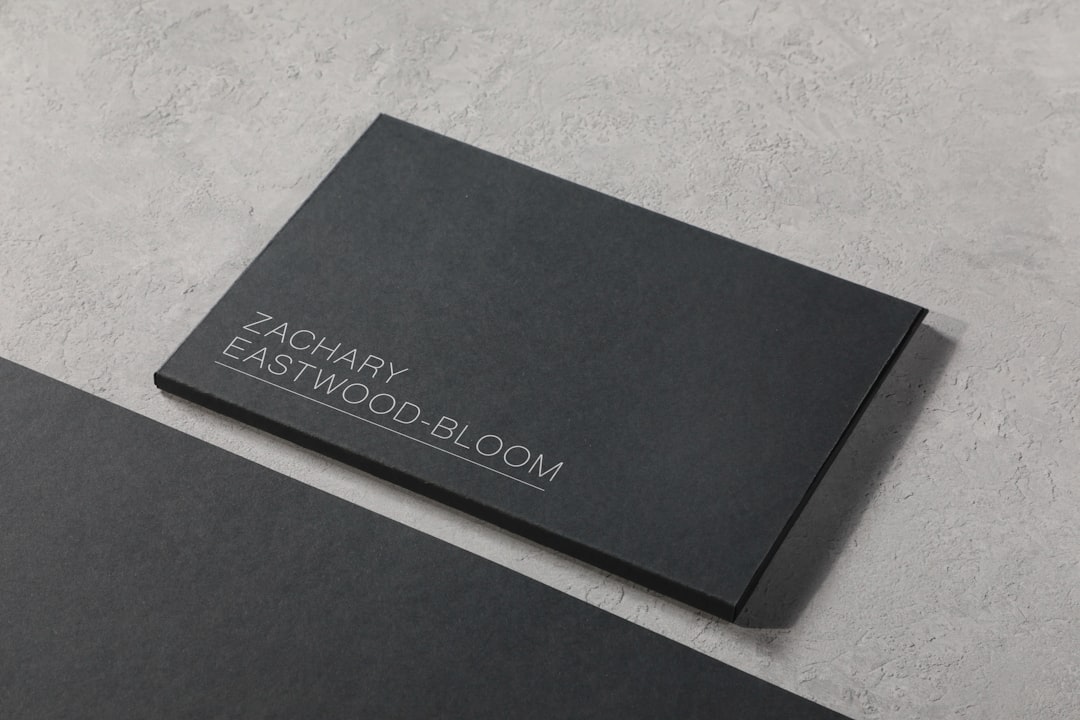
While modern card makers offer extensive features, restraint is critical. Overusing effects can dilute professionalism. Experts often recommend emphasizing one standout feature and keeping the rest of the design balanced.
For example, pairing minimalist typography with foil accents can create elegant contrast. Alternatively, a bold color background may be best complemented by simple white text.
Cost vs. Value: What to Consider
Budget plays a vital role when selecting a card maker. Basic designs on standard cardstock are inexpensive and suitable for large distributions. However, higher-end materials provide stronger memorability.
Professionals should consider:
- How frequently they attend networking events
- The level of competition in their industry
- The importance of luxury perception in their market
- The potential return from one strong connection
Often, investing slightly more in premium production leads to better long-term networking outcomes.
The Lasting Power of Tangible Branding
Despite digital transformation, business cards maintain enduring relevance. People remember physical interactions more vividly than digital exchanges. A distinctive card can serve as a physical reminder, sitting on desks or in wallets long after a conversation ends.
In a world driven by speed and automation, thoughtfully crafted business cards represent intentionality. They show care, preparedness, and pride in one’s brand—qualities that resonate strongly in professional partnerships.
Frequently Asked Questions (FAQ)
1. Are business cards still relevant in 2026?
Yes. While digital networking is common, business cards remain a powerful in-person branding tool that creates memorable impressions and reinforces professionalism.
2. What makes a business card stand out instantly?
Unique materials, premium finishes, bold yet clean design, and a memorable feature such as embossing or a QR code can make a strong immediate impact.
3. How much should someone spend on business cards?
Costs vary based on materials and quantity. Professionals should balance budget with brand positioning; premium features often provide higher perceived value.
4. Should a business card include a QR code?
Including a QR code can enhance convenience by linking directly to online profiles, websites, or booking pages, making follow-ups easier.
5. What information is essential on a business card?
At minimum, include name, title, company name, phone number, and email. Depending on the business, a website or social media handle may also be essential.
6. Is thicker cardstock always better?
Thicker cardstock often signals quality and durability, but design and clarity remain equally important for effectiveness.
Ultimately, the right business card maker empowers professionals to translate their brand identity into a tangible, memorable format. Through thoughtful design, premium materials, and strategic customization, businesses and individuals can stand out instantly—and leave a lasting mark with every handshake.