
In today’s digital economy, organizations depend heavily on accurate and structured data to make informed decisions. From monitoring competitor pricing to generating leads and conducting market research, the ability to gather information directly from websites has become a strategic advantage. While manual data collection is time-consuming and inefficient, modern data extraction tools like ParseHub have revolutionized how structured data is collected from the web. These tools automate complex scraping tasks, enabling businesses, researchers, and developers to turn unstructured web content into actionable datasets.
TLDR: Data extraction tools like ParseHub automate the collection of structured data from websites without requiring advanced coding skills. They transform unstructured web content into organized spreadsheets and databases for analysis. These tools are valuable for market research, competitor analysis, lead generation, and academic work. By streamlining data collection, they save time, reduce manual errors, and scale effortlessly.
Understanding Data Extraction and Structured Data
Data extraction refers to the process of retrieving specific information from various sources—most commonly websites—and converting it into a structured format such as CSV, Excel, JSON, or database entries. Structured data is organized in a predictable manner, typically into rows and columns, making it easy to analyze and manipulate.
Websites, however, are primarily designed for human consumption. Their content often includes dynamic elements, visuals, and interactive components that make automated extraction challenging. Data extraction tools bridge this gap by identifying patterns within web pages and systematically capturing relevant information.
- Structured data: Organized into tables or databases
- Unstructured data: Text, images, or dynamic content without a predefined format
- Semi-structured data: HTML, XML, or JSON with some organizational properties
Tools like ParseHub specialize in converting semi-structured and unstructured website data into fully structured datasets ready for analysis.
How Tools Like ParseHub Work
Data extraction platforms simulate human browsing behavior. They navigate through web pages, click buttons, scroll, handle pagination, and extract data based on rules defined by the user. Most modern tools provide a visual interface where users can select elements directly on a webpage rather than writing complex scripts.
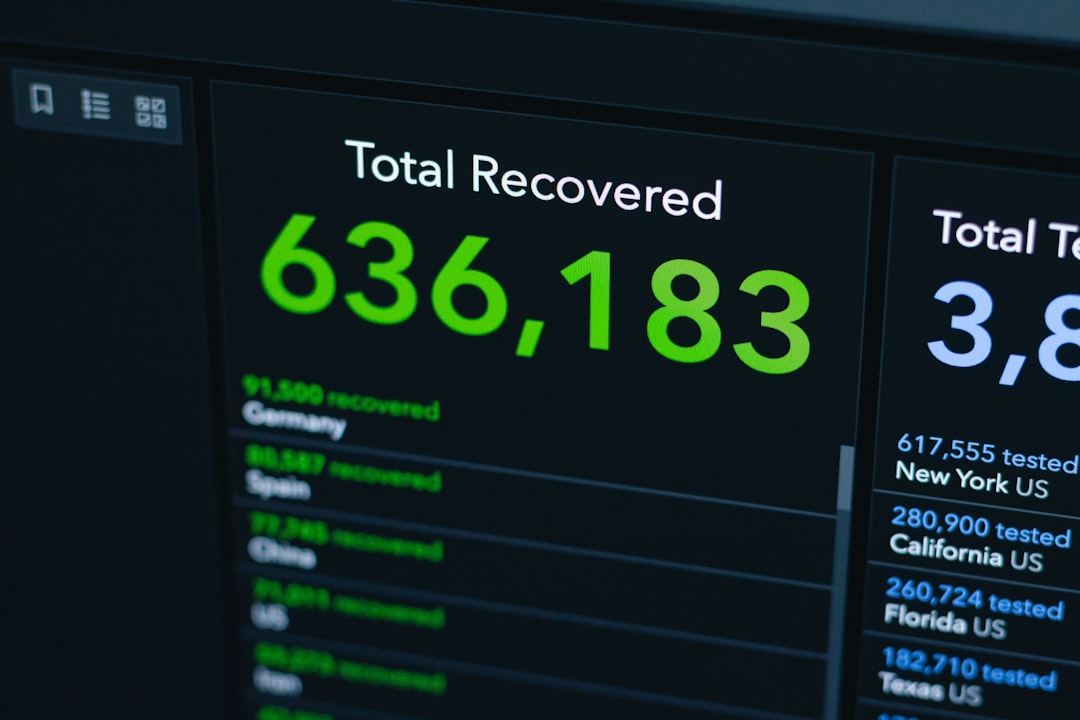
Here is a simplified breakdown of the process:
- URL Input: The user enters the target website address.
- Element Selection: The tool identifies repeated elements such as product listings or article titles.
- Workflow Creation: Instructions are added for pagination, login steps, or clicking dynamic buttons.
- Extraction and Export: The data is processed and exported to formats like Excel or JSON.
ParseHub and similar tools rely on intelligent selection algorithms and browser rendering technologies to extract data even from JavaScript-heavy websites.
Key Features of Data Extraction Tools
Advanced extraction platforms offer a range of features that make them suitable for both small projects and enterprise-level data operations.
- Visual Data Selection: Click-to-select interfaces reduce the need for coding knowledge.
- Dynamic Content Handling: Ability to scrape JavaScript-rendered pages.
- Pagination and Navigation Automation: Automatically move through multiple pages.
- Scheduled Runs: Automated recurring data collection.
- API Access: Integration with internal systems and workflows.
- Cloud-Based Execution: Run extraction jobs on remote servers.
These features eliminate repetitive manual tasks and significantly increase operational efficiency.
Common Use Cases
Data extraction tools are versatile and serve various industries. Below are several practical applications:
1. Market Research
Businesses collect pricing data, consumer reviews, and product listings from competitor websites. This enables real-time monitoring of market trends and competitor strategies.
2. Lead Generation
Sales teams gather contact information, company details, and directories to build targeted outreach lists. Structured exports allow for seamless CRM integration.
3. Academic and Journalistic Research
Researchers scrape datasets from public repositories, news archives, and social data platforms for analysis.
4. E-commerce Intelligence
Online retailers monitor inventory levels, discount trends, and promotional activity across marketplaces.

5. Real Estate Monitoring
Agencies collect property listings, rental data, and market value fluctuations for investment insights.
Advantages of Using Tools Like ParseHub
Organizations choose automated extraction tools for several compelling reasons:
- Time Efficiency: Tasks that once required hours can be completed in minutes.
- Accuracy: Reduced human error in repetitive copying and pasting.
- Scalability: Collect data from thousands of pages simultaneously.
- No-Code Accessibility: Non-technical users can configure projects.
- Cost Savings: Minimizes the need for custom development teams.
By automating repetitive processes, companies can redirect resources toward analysis rather than collection.
Challenges and Considerations
Despite their advantages, data extraction tools must be used responsibly and strategically.
- Website Structure Changes: A small design update can disrupt extraction workflows.
- Legal and Ethical Concerns: Compliance with terms of service and data regulations is essential.
- IP Blocking: Aggressive scraping can trigger website security mechanisms.
- Data Cleaning Requirements: Extracted data often requires normalization and validation.
To mitigate these risks, users should implement respectful scraping practices and ensure regulatory compliance.
Best Practices for Effective Data Extraction
Professionals recommend several best practices to maximize efficiency and reliability:
- Define Clear Objectives: Identify exactly which data fields are needed.
- Start Small: Test on limited pages before scaling projects.
- Monitor Changes: Regularly review workflows to ensure accuracy.
- Implement Data Cleaning: Standardize extracted content.
- Respect Robots.txt and Rate Limits: Avoid overwhelming servers.
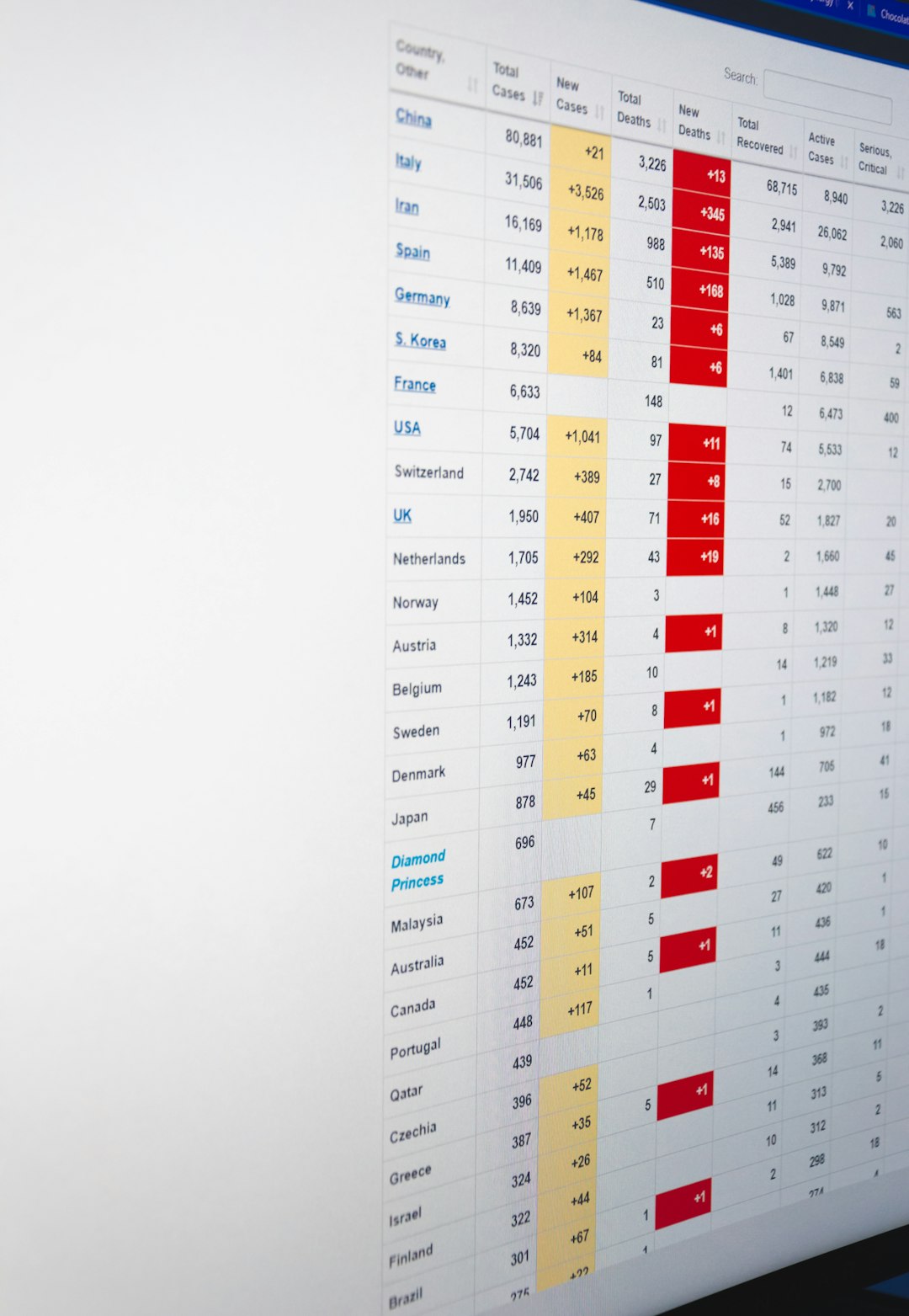
Careful planning and monitoring help maintain consistent structured outputs.
Comparison with Custom-Built Scrapers
Many organizations face the decision between using ready-made tools like ParseHub and building custom scraping scripts.
Pre-built Tools:
- Faster setup
- User-friendly interface
- Less technical maintenance
Custom Development:
- Greater flexibility
- Full control over infrastructure
- Tailored integration with internal systems
For most small- to mid-sized projects, visual extraction tools provide ample functionality without the overhead of maintaining custom code.
The Role of Automation in Data-Driven Decision Making
The true value of structured data collection lies in what happens after extraction. Once data is organized, companies can apply analytics, machine learning models, and visualization platforms to uncover patterns and trends.
Automated workflows allow for:
- Real-Time Dashboards
- Predictive Modeling
- Trend Identification
- Performance Benchmarking
Data extraction tools serve as the foundation of this pipeline, ensuring that decision-makers rely on timely and accurate information.
The Future of Data Extraction
As artificial intelligence continues to evolve, data extraction tools are becoming more intelligent and adaptive. Machine learning algorithms can now detect patterns automatically, adjust to minor structural changes in websites, and improve selection accuracy.
Future developments may include:
- Self-healing workflows that adapt to website modifications
- Natural language extraction commands for simplified configuration
- Deeper integration with analytics platforms
These advances will further democratize access to structured data, enabling more organizations to compete in data-driven markets.
Frequently Asked Questions (FAQ)
1. What is ParseHub used for?
ParseHub is used to extract structured data from websites. It allows users to collect information such as product listings, prices, reviews, contact details, and more without extensive programming knowledge.
2. Do data extraction tools require coding skills?
Many modern tools offer visual interfaces designed for non-technical users. However, basic understanding of web structures like HTML can enhance efficiency and customization.
3. Is web data extraction legal?
Legality depends on how the data is collected and used. Users must comply with website terms of service, copyright laws, and data protection regulations. Consulting legal guidance for sensitive projects is recommended.
4. Can these tools handle dynamic websites?
Yes. Advanced tools like ParseHub are capable of processing JavaScript-rendered pages, handling logins, clicking through pagination, and interacting with dynamic elements.
5. What formats can extracted data be exported to?
Common export formats include CSV, Excel, JSON, and API-based transfers to databases or analytics systems.
6. How often should data extraction workflows be updated?
Workflows should be reviewed regularly, especially when a target website changes its structure or design. Scheduled testing ensures ongoing accuracy and reliability.
By leveraging powerful data extraction tools like ParseHub, organizations can efficiently transform web-based information into structured, usable datasets that fuel smarter and faster decision-making.