
As commercial drone usage accelerates across industries such as construction, agriculture, logistics, utilities, and public safety, organizations are discovering that flying drones is only one piece of the puzzle. Managing pilots, aircraft, data, compliance, maintenance, and airspace at scale quickly becomes complex. This is where drone fleet management platforms step in—centralizing operations, improving safety, and enabling companies to grow their drone programs efficiently and responsibly.
TLDR: Drone fleet management platforms help organizations scale drone operations by centralizing flight planning, compliance tracking, pilot management, maintenance scheduling, and data processing. They reduce risk, improve efficiency, and provide real-time visibility into distributed drone teams. Companies using these systems are better positioned to meet regulatory requirements and expand across locations. Choosing the right platform depends on fleet size, industry needs, integration requirements, and growth plans.
Without a centralized platform, drone programs often rely on spreadsheets, disconnected apps, and manual documentation. This fragmented approach creates operational bottlenecks and compliance risks. In contrast, a robust fleet management system provides a single source of truth for everything from airframe hours to pilot certifications.
Why Scaling Drone Operations Is Challenging
Scaling from a handful of drones to dozens—or even hundreds—introduces logistical and regulatory complexity. Organizations face several common challenges:
- Airspace compliance: Navigating evolving aviation regulations and no-fly zones.
- Pilot oversight: Ensuring certifications, currency, and training remain up to date.
- Maintenance tracking: Monitoring flight hours, battery cycles, and inspections.
- Mission planning: Coordinating multiple teams across regions.
- Data management: Organizing imagery, telemetry, and analytics outputs.
- Safety reporting: Logging incidents and near misses.
When these functions operate in silos, scalability suffers. Drone fleet management platforms unify them within a structured, trackable environment.
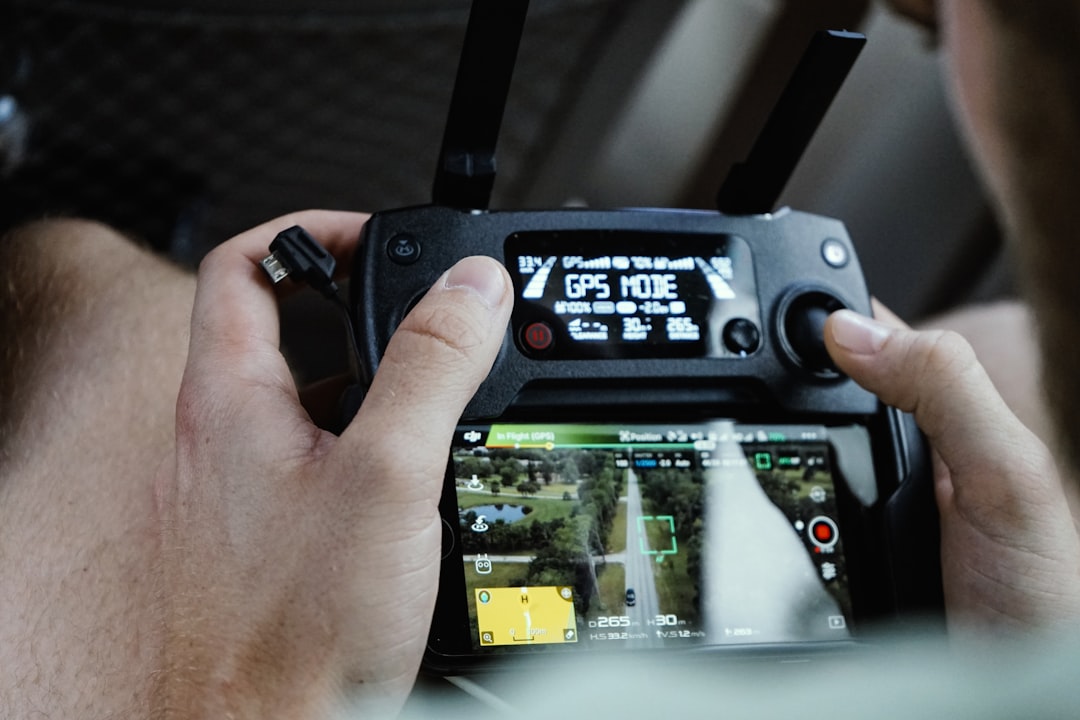
Core Features of Drone Fleet Management Platforms
While capabilities vary between providers, most enterprise-grade platforms offer a combination of the following features:
1. Centralized Fleet Dashboard
A real-time dashboard provides visibility into:
- Active and grounded aircraft
- Battery health metrics
- Total flight hours per drone
- Upcoming maintenance events
- Live mission statuses
This overview enables operations managers to allocate resources intelligently and prevent downtime.
2. Compliance and Regulatory Management
Compliance tools help organizations:
- Track pilot licenses and renewals
- Manage waivers and authorizations
- File digital flight logs
- Maintain audit-ready records
- Monitor airspace restrictions
Automation in this area significantly reduces administrative overhead and legal risk.
3. Maintenance and Asset Tracking
Drones, payloads, and batteries are high-value assets. Fleet management software tracks:
- Component life cycles
- Scheduled inspections
- Battery charge cycles
- Repair histories
- Firmware updates
Predictive alerts help teams replace parts before failures occur, improving operational safety.
4. Flight Planning and Mission Coordination
Advanced platforms include mission planning tools that allow teams to:
- Create standardized flight templates
- Share geofenced operational areas
- Assign pilots to missions
- Monitor live telemetry streams
- Log post-flight reports
This ensures consistency across locations and teams.
5. Data Integration and Analytics
Modern fleet platforms integrate with photogrammetry, GIS, and analytics software. Some include built-in storage and automated data tagging, allowing organizations to transform raw imagery into actionable insights more efficiently.
How These Platforms Enable Scale
Scaling is not just about adding more drones—it is about building systems that sustain growth. Fleet management platforms contribute in several strategic ways:
Standardization Across Teams
Uniform operating procedures can be deployed across branches and regions. Standardized checklists, workflows, and reporting minimize variation and improve accountability.
Improved Safety Culture
Built-in incident reporting, risk assessment templates, and audit trails encourage a proactive safety approach. Over time, this reduces operational disruptions and supports regulatory trust.
Operational Efficiency
Automation of repetitive administrative tasks—such as flight logging and maintenance alerts—frees up personnel to focus on mission-critical work.
Scalable Infrastructure
Cloud-based solutions allow companies to expand geographically without building new management systems from scratch.
Image not found in postmeta
Types of Drone Fleet Management Platforms
Organizations typically choose from three broad categories:
Enterprise-Grade Platforms
These are designed for large fleets and multi-site operations. They include advanced compliance tools, API integrations, and robust analytics.
Industry-Specific Platforms
Tailored to sectors like agriculture, energy, or construction, these platforms include specialized workflows and reporting formats.
Manufacturer-Integrated Platforms
Some drone manufacturers provide proprietary fleet solutions optimized for their hardware ecosystems.
Comparison of Popular Drone Fleet Management Platforms
| Platform Type | Best For | Compliance Tools | Maintenance Tracking | Data Integration | Scalability |
|---|---|---|---|---|---|
| Enterprise Grade | Large multi regional fleets | Advanced automated tracking | Comprehensive predictive alerts | Open API and third party integrations | High |
| Industry Specific | Sector focused operations | Moderate industry tailored | Custom workflows | Integrated analytics for niche use | Medium to High |
| Manufacturer Integrated | Single brand drone fleets | Basic to moderate | Hardware synchronized | Limited to manufacturer ecosystem | Medium |
Key Considerations When Choosing a Platform
Selecting the right solution requires evaluating both current and future needs.
Fleet Size and Growth Plans
A startup with five drones has different needs than an enterprise operating hundreds. Organizations should choose platforms that can scale without costly migrations.
Regulatory Environment
Companies operating internationally should ensure the platform supports multiple regulatory frameworks and aviation authorities.
Integration Capabilities
Compatibility with existing systems such as GIS software, maintenance management tools, or enterprise resource planning systems is critical.
User Experience
A complex interface can discourage adoption. Intuitive dashboards and mobile accessibility improve engagement across teams.
Security and Data Privacy
Given the sensitivity of aerial imagery, organizations must prioritize encryption, secure cloud storage, and access controls.
Image not found in postmeta
Industry Use Cases
Construction
Construction firms use fleet management platforms to coordinate site surveys, track earthwork progress, and automate compliance documentation across multiple projects.
Agriculture
Agribusinesses manage seasonal spraying schedules, battery rotations, and field mapping missions across vast acreages.
Energy and Utilities
Utility companies track inspection histories of transmission lines and turbines, ensuring consistent documentation for regulators.
Public Safety
Law enforcement and emergency response agencies rely on centralized logging and incident documentation to maintain transparency and accountability.
The Future of Drone Fleet Management
The next evolution of fleet management will likely include increasing use of:
- Artificial intelligence: Predicting maintenance needs and optimizing flight paths.
- Autonomous fleet coordination: Managing multiple drones operating simultaneously.
- UTM integration: Seamless connection with unmanned traffic management systems.
- Advanced analytics: Converting operational data into performance benchmarks.
As regulations evolve to support beyond visual line of sight operations (BVLOS), scalable fleet management platforms will become even more essential.
Conclusion
Drone fleet management platforms are no longer optional for organizations serious about scaling their drone programs. They provide centralized oversight, strengthen compliance, enhance safety, and streamline maintenance. Most importantly, they transform drone operations from experimental initiatives into structured, enterprise-ready systems.
By investing in the right platform, organizations position themselves for sustainable growth, operational excellence, and regulatory confidence in an increasingly drone-enabled world.
Frequently Asked Questions (FAQ)
1. What is a drone fleet management platform?
A drone fleet management platform is software that centralizes the oversight of drones, pilots, maintenance schedules, compliance records, and mission data.
2. Do small drone programs need fleet management software?
Even small programs benefit from structured logging, maintenance tracking, and compliance management, especially if growth is anticipated.
3. How do these platforms improve safety?
They provide maintenance alerts, incident reporting tools, pilot certification tracking, and standardized operating procedures that reduce operational risks.
4. Are these platforms cloud based?
Most modern solutions are cloud based, allowing real-time collaboration and access across multiple locations.
5. Can fleet management platforms integrate with drone hardware?
Yes. Many platforms integrate directly with drone telemetry systems to automatically import flight logs and performance data.
6. What industries benefit most from drone fleet management?
Industries such as construction, agriculture, utilities, logistics, mining, infrastructure inspection, and public safety gain significant operational advantages.
7. How do companies choose the right platform?
Organizations should evaluate fleet size, industry requirements, regulatory complexity, integration needs, and long-term scalability before selecting a solution.