The rapid expansion of e-commerce has transformed how goods move from producers to consumers. Yet as digital storefronts multiply, so do concerns about packaging waste, carbon emissions, and unsustainable sourcing. In response, businesses across the supply chain are turning to renewable materials that combine durability, scalability, and environmental responsibility. Among these emerging resources, gray poplar is gaining recognition as a versatile and eco-conscious material that bridges the gap between forest stewardship and modern commerce.
TLDR: Gray poplar is emerging as a sustainable material that supports eco-conscious e-commerce through renewable sourcing, low environmental impact, and versatile applications. Its fast growth, carbon sequestration ability, and adaptability make it ideal for packaging, shipping materials, and product manufacturing. By integrating gray poplar into supply chains, companies can reduce emissions and align with consumer sustainability expectations. As technology and forestry practices evolve, gray poplar is poised to play a key role in the future of responsible digital retail.
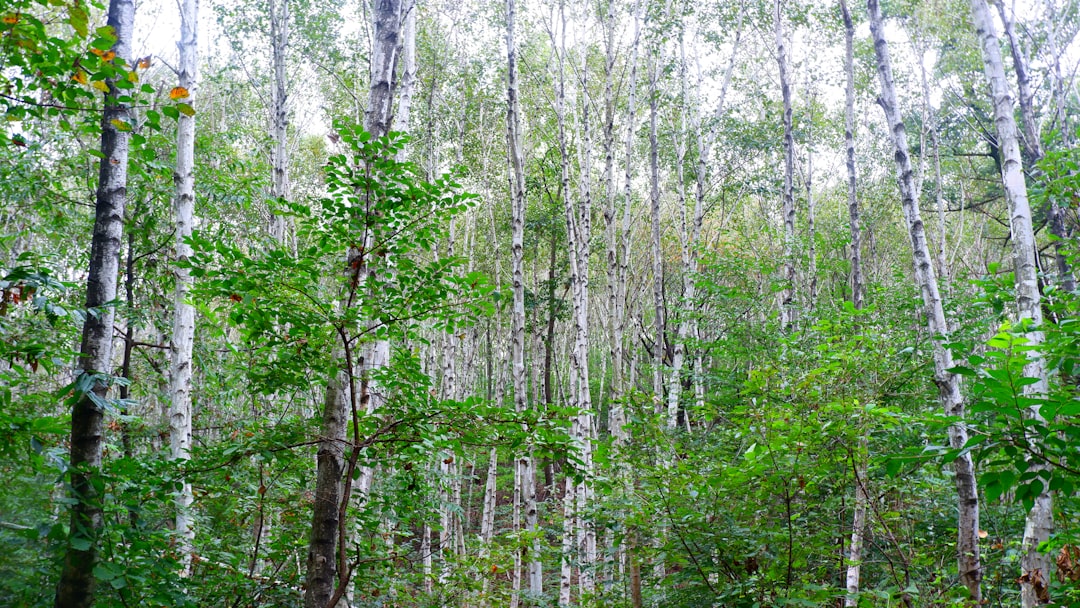
Gray poplar (Populus × canescens) is a hybrid species known for its rapid growth and resilience. Traditionally used in furniture, plywood, and paper production, it is now finding new life in sustainable packaging and product manufacturing. The shift is not accidental. E-commerce companies are under increasing pressure to demonstrate environmental accountability, and gray poplar offers measurable benefits that align with these priorities.
The Environmental Case for Gray Poplar
One of the defining characteristics of gray poplar is its fast growth cycle. Compared to hardwood species that require several decades to mature, gray poplar can be harvested responsibly within 10 to 15 years. This accelerated regeneration enables:
- Reduced pressure on old-growth forests
- Efficient land use in managed plantations
- Faster carbon sequestration cycles
Forests dominated by fast-growing species like gray poplar act as dynamic carbon sinks. During its growth phase, the tree absorbs significant amounts of carbon dioxide, storing it within its biomass. When harvested under sustainable forestry standards and replanted systematically, this cycle contributes to a lower net carbon footprint compared to many synthetic materials used in packaging today.
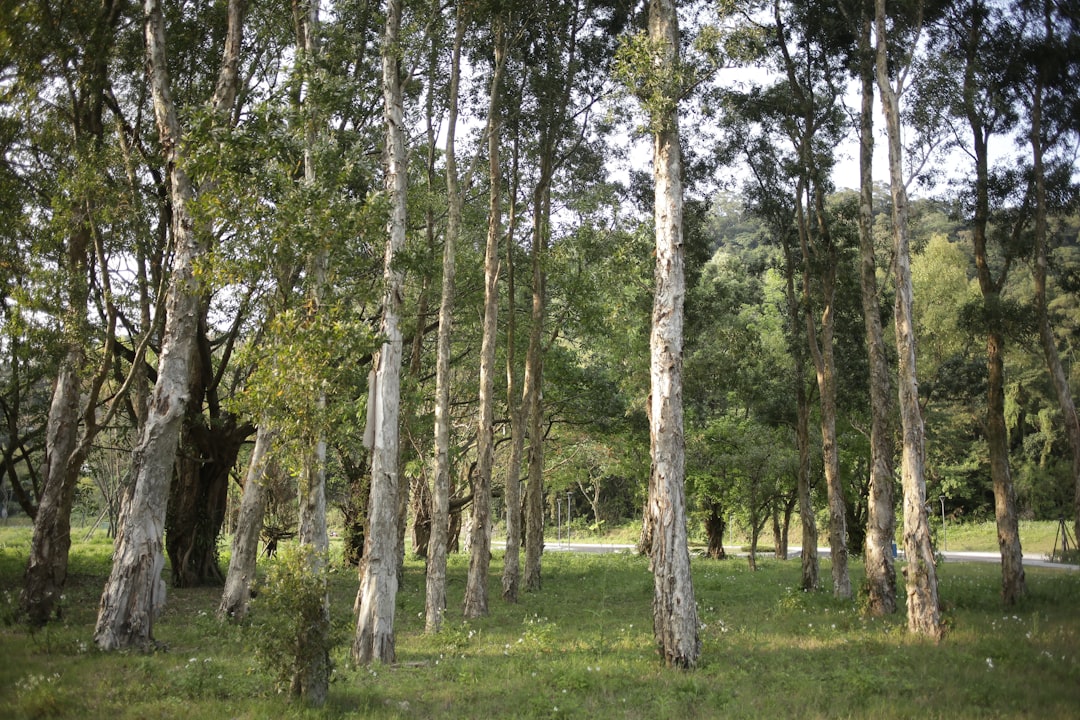
Moreover, gray poplar adapts well to diverse soil conditions and climates. It thrives in temperate regions and can tolerate varying moisture levels, making it a practical choice for reforestation and agroforestry initiatives. This adaptability reduces the need for intensive chemical inputs and irrigation, further strengthening its environmental profile.
Meeting the Demands of Eco-Conscious Consumers
Today’s consumers are informed, connected, and increasingly selective. Surveys consistently show that buyers favor brands demonstrating genuine commitments to sustainability. For e-commerce companies, this expectation extends beyond the product itself to include:
- Packaging materials
- Shipping protection
- Supply chain transparency
- End-of-life recyclability
Gray poplar addresses each of these areas effectively. Its wood fibers are lightweight yet durable, making them ideal for creating protective inserts, corrugated alternatives, molded pulp packaging, and structural components. Unlike petroleum-based foams and plastics, gray poplar-based materials are biodegradable and recyclable.
Additionally, the smooth grain and pale tone of gray poplar make it suitable for minimalistic, natural packaging aesthetics. As brands increasingly communicate sustainability visually, materials derived from responsibly managed forests enhance both function and storytelling.
From Raw Material to Marketplace Application
The journey of gray poplar from forest to marketplace is anchored in advancements in wood processing technology. Modern milling and pulping techniques allow manufacturers to extract high-quality fibers with minimal waste. Byproducts such as bark and sawdust can be repurposed for bioenergy, ensuring that nearly every part of the harvested tree contributes economic value.
In e-commerce logistics, gray poplar is shaping innovation in several ways:
- Molded Fiber Packaging: Poplar pulp can be formed into custom-fitted protective casings for electronics, cosmetics, and household goods.
- Lightweight Shipping Crates: Engineered gray poplar panels provide strength without excessive shipping weight.
- Paper Alternatives: High-quality paper products derived from poplar fibers support recyclable mailers and cushioning material.
- Reusable Components: Durable wooden elements can be repurposed multiple times within closed-loop logistics systems.
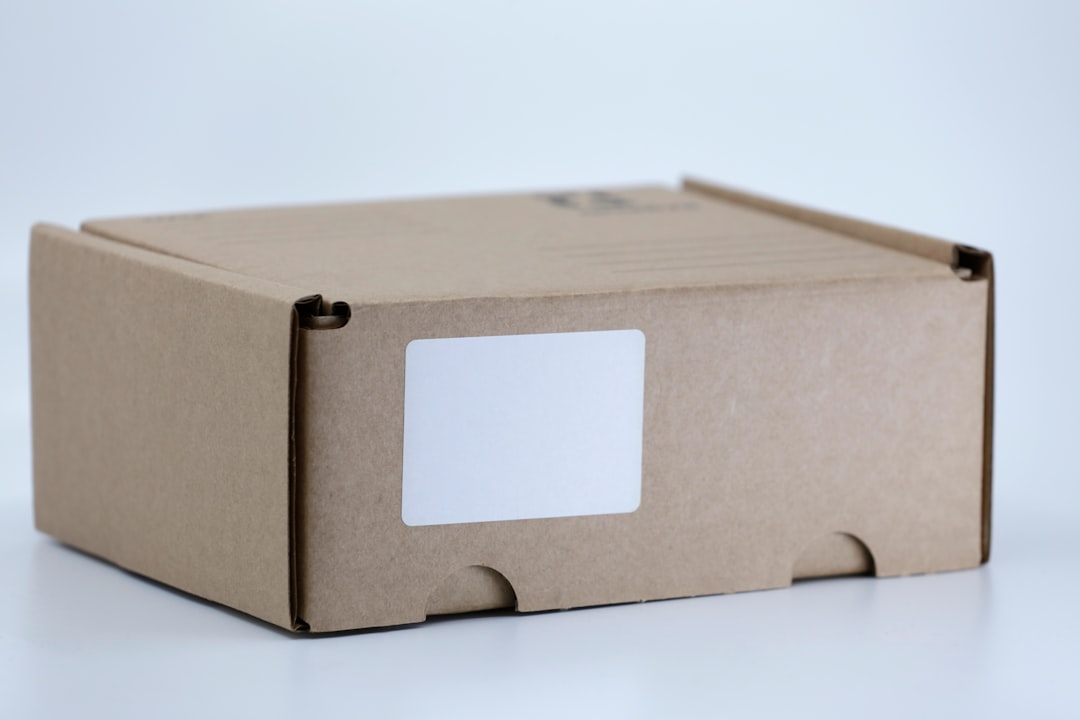
The lightweight nature of gray poplar is particularly valuable. Lower shipment weight translates directly into reduced transportation emissions and lower fuel consumption. When multiplied across thousands or millions of deliveries, incremental reductions produce measurable environmental impact.
Sustainable Forestry and Certification Standards
The true sustainability of gray poplar depends on responsible forest management. Leading producers adhere to internationally recognized certification standards that ensure:
- Ethical harvesting cycles
- Biodiversity protection
- Soil and water conservation
- Community engagement and fair labor practices
These frameworks provide traceability from plantation to finished product. In e-commerce, where supply chains often extend across continents, such documentation reinforces transparency and builds consumer trust. Companies that integrate certified gray poplar materials into their packaging strategies can confidently communicate verified sustainability claims.
Importantly, managed poplar plantations may also rehabilitate degraded land. In some regions, gray poplar is used in restoration projects to stabilize soil and reduce erosion along riverbanks. These ecological co-benefits further enhance its profile as a responsible raw material.
Economic Viability in a Competitive Market
For eco-conscious materials to succeed, they must be economically competitive. Gray poplar meets this requirement due to its rapid growth, efficient processing, and versatile applications. Shorter harvest cycles translate into predictable supply streams, reducing price volatility compared to slower-growing hardwoods.
Manufacturers benefit from:
- Reliable sourcing timelines
- Scalable plantation models
- High yield per hectare
- Compatibility with existing processing equipment
These factors help keep production costs manageable while maintaining environmental integrity. As demand for sustainable packaging rises, economies of scale are likely to further strengthen gray poplar’s market position.
Innovation and Material Engineering
Material science is expanding gray poplar’s capabilities beyond traditional applications. Engineered wood composites and cross laminated panels derived partly from poplar fibers are being refined for increased strength and moisture resistance. In packaging contexts, research is advancing water-resistant coatings derived from plant-based polymers rather than synthetic resins.
Such developments may unlock new opportunities, including:
- Moisture-resistant mailers
- Insulated packaging for temperature-sensitive goods
- Durable modular shipping containers
- Biodegradable protective foam substitutes
With continued research investment, gray poplar could serve as a foundational material in the circular economy of e-commerce. Instead of single-use plastics, packaging systems may increasingly rely on renewable wood fibers designed for recovery, recycling, or composting.
Challenges and Responsible Expansion
Despite its promise, gray poplar is not a universal solution. Poorly managed monoculture plantations risk reducing biodiversity and straining local ecosystems. Therefore, expansion must be approached carefully, emphasizing mixed-species forestry and landscape-level planning.
Key considerations include:
- Maintaining ecological diversity within plantation areas
- Avoiding displacement of native habitats
- Preserving water resources
- Ensuring long-term soil health
Responsible governance, third-party certification, and transparent reporting are essential in preventing unintended consequences. When managed thoughtfully, gray poplar can strengthen both environmental and economic resilience.
The Future of Gray Poplar in E-Commerce
As regulatory frameworks tighten around plastic waste and carbon disclosures, e-commerce companies will face increasing accountability. Gray poplar offers a practical pathway for meeting these standards without compromising performance or consumer experience.
Future integration is likely to include:
- Fully recyclable packaging lines built around renewable wood fibers
- Localized poplar supply chains that reduce transportation emissions
- Closed-loop reuse systems for durable shipping components
- Carbon accounting models that factor in poplar’s sequestration capacity
Importantly, sustainability is no longer a peripheral concern; it is a strategic advantage. Companies that proactively incorporate renewable materials strengthen brand reputation, reduce regulatory risk, and align with global climate objectives.
Gray poplar’s combination of growth efficiency, material versatility, and renewable sourcing positions it as a credible cornerstone of this evolution. While it will not replace every material currently in use, its expanding role illustrates a broader transition: from extractive consumption toward regenerative resource management.
From forest to marketplace, gray poplar represents more than a raw material. It embodies a shift toward responsible design, measurable environmental performance, and long-term thinking in digital commerce. As technology advances and sustainable forestry practices mature, gray poplar is poised to influence how goods are packaged, protected, and delivered in a world that increasingly values environmental integrity alongside economic success.