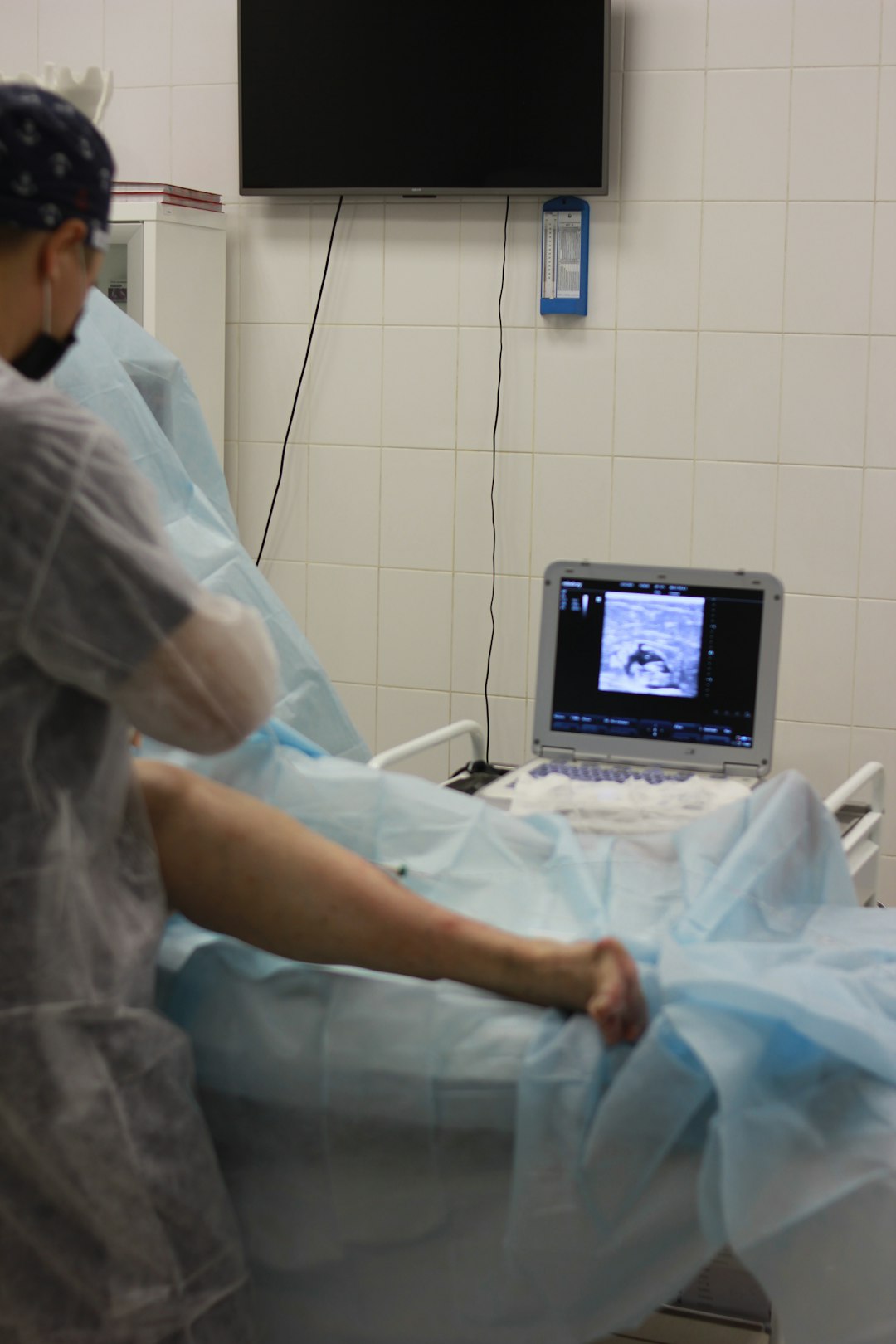
Anesthesia technicians play a vital role in operating rooms, ensuring that anesthesia equipment is functioning properly and assisting anesthesiologists in delivering safe, effective care. As healthcare continues to expand, the demand for skilled support staff behind the scenes increases, making this a compelling and stable career choice for those interested in medicine and patient care without becoming a doctor or nurse.
TLDR (Too Long, Didn’t Read)
Becoming an anesthesia tech involves completing a postsecondary program and gaining certification, although some hospitals may offer on-the-job training. In this role, individuals support anesthesiologists by preparing equipment, monitoring supplies, and assisting in patient care. The job offers strong growth potential, especially with the demand for healthcare professionals on the rise. Certification can improve job prospects and lead to better pay and advancement opportunities.
What Does an Anesthesia Technician Do?
The role of an anesthesia technician, also known as an anesthesia technologist, centers on assisting licensed anesthesia providers such as anesthesiologists and nurse anesthetists during surgeries and medical procedures. These professionals ensure that anesthesia delivery systems are ready, medications are stocked, and emergency protocols are in place.
Typical job duties include:
- Setting up and calibrating anesthesia machines and monitors
- Ordering, stocking, and preparing drugs used for anesthesia
- Maintaining and sterilizing equipment after procedures
- Assisting in the transport, positioning, and monitoring of patients before and after anesthesia
- Ensuring all supplies and backup systems are available during procedures
In some environments, anesthesia techs may also be tasked with performing basic lab work, record-keeping, and support in critical care scenarios. They are instrumental in ensuring a safe, sterile, and organized surgical environment.
Steps to Become an Anesthesia Technician
There’s more than one path to becoming an anesthesia technician, and the requirements may vary based on your geographic location and healthcare employer. However, the most common process involves the following steps:
-
Earn a High School Diploma or GED
This is the minimum educational requirement for entering most anesthesia tech training programs. -
Enroll in an Accredited Anesthesia Technology Program
Postsecondary education is recommended, typically through a community college or technical school offering a certificate or associate degree in anesthesia technology. -
Complete Clinical Training
Most programs include a hands-on clinical component where students gain practical skills in a hospital environment. -
Consider Certification
Certification is not always required but is increasingly preferred. The primary certification body is the American Society of Anesthesia Technologists and Technicians (ASATT), which offers the certified Anesthesia Technologist (Cer.A.T.T.) credential. -
Apply for Entry-Level Positions
Once education and training are complete, candidates can apply for positions in surgical centers, hospitals, and outpatient clinics.
Certification Options and Requirements
Certification through ASATT provides formal recognition of an individual’s expertise and professionalism in the field. There are two main levels of certification:
- Cer.A.T. (Certified Anesthesia Technician): This credential is geared toward entry-level technicians and requires passing an exam covering topics such as anesthesia equipment, pharmacology, and patient monitoring.
- Cer.A.T.T. (Certified Anesthesia Technologist): This is an advanced certification for individuals who have completed an associate degree and additional experience in anesthesia care.
Eligibility typically requires:
- Graduation from an ASATT-approved program
- Clinical hours documented by a supervisor
- Successful completion of the certification exam
Continuing education is often required to maintain certification, keeping professionals up to date with new technology and procedures in this evolving field.
Skills and Qualities of a Successful Anesthesia Tech
Anesthesia technicians must possess a blend of technical and interpersonal skills. They work under pressure in high-stakes environments and interact frequently with surgical teams and patients.
Key skills and traits include:
- Attention to detail: Precise setup and operation of anesthesia equipment is critical.
- Communication ability: Clear communication with medical staff is essential during procedures.
- Technical aptitude: Understanding complex machines and medical devices is part of the job.
- Time management: Procedures are often time-sensitive, requiring fast and efficient setup.
- Compassion: Although interaction with patients may be limited, providing comfort during pre-op and post-op is important.
Work Environment and Salary
The majority of anesthesia technicians work in surgical hospitals, outpatient centers, and specialized clinics. The pace is fast and physically demanding, with extended time spent standing and moving equipment.
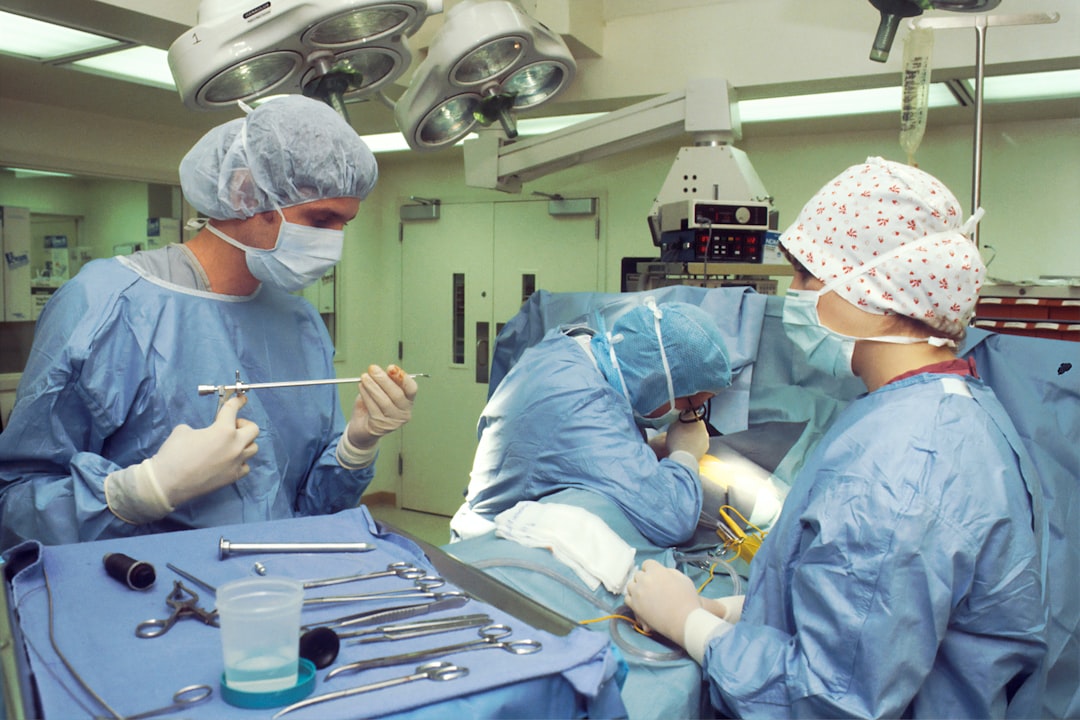
Typical work settings include:
- Operating rooms in hospitals
- Ambulatory surgical centers
- Emergency departments
- Dental and plastic surgery clinics
According to the U.S. Bureau of Labor Statistics and various national surveys, the median annual salary for anesthesia technicians ranges from $38,000 to $55,000, depending on location, experience, and certification. Those with advanced certifications or who work in major metropolitan hospitals may earn higher wages.
Career Outlook
The job outlook for anesthesia technicians is promising. As the healthcare industry grows due to an aging population, demand for surgical procedures is expected to increase, leading to more opportunities for anesthetic support staff. Accredited training and certification add further job security and potential for advancement.
With experience, anesthesia technicians can advance to supervisory roles, become clinical instructors, or transition to roles in biomedical equipment technology, nursing, or surgical technology.
FAQ: Becoming an Anesthesia Tech
- Is a college degree required to become an anesthesia technician?
- Not always. Some positions accept certification from a training program or offer on-the-job training, but an associate degree can open more job opportunities and lead to certification eligibility.
- How long does it take to become certified?
- Most accredited programs last between 12 to 24 months. After completing the program, you can apply and sit for the certification exam through ASATT.
- What’s the difference between an anesthesia tech and an anesthesia assistant?
- Anesthesia assistants are advanced practice professionals with graduate-level training who often perform similar duties to anesthesiologists. Anesthesia techs provide technical support but are not involved with administering anesthesia.
- Do anesthesia technicians need to be licensed?
- Currently, licensure is not required for anesthesia technicians in most states, though certification is increasingly preferred by employers.
- Can an anesthesia technician transition into other healthcare roles?
- Yes. Many techs use this role as a stepping stone into nursing, surgical technology, or other allied health fields with further education and training.
Becoming an anesthesia technician is a unique and rewarding way to contribute to patient care in surgical settings. With proper training, certification, and hands-on experience, it can be a fulfilling career with significant advancement potential in a growing industry.