The Pixel 10 series introduces one of the most talked-about power management changes in recent Android history: a configurable battery capacity reduction feature. At first glance, the idea of intentionally limiting your phone’s usable battery capacity may seem counterintuitive. After all, consumers expect more battery life, not less. However, Google’s 2026 update reframes the conversation around long-term battery health, device longevity, and sustainable performance. This new feature is not about taking something away from users—it is about giving them more control over how their device ages.
TLDR: The Pixel 10 Battery Capacity Reduction feature allows users to intentionally limit the maximum charge level of their phone to extend long-term battery health. By reducing daily stress on lithium ion cells, the device maintains higher overall battery performance over years of use. The feature is optional, customizable, and especially useful for users who keep their phones longer than two years. It reflects Google’s broader push toward device longevity and sustainable hardware practices.
Why Would Google Reduce Battery Capacity?
At the core of this feature is a simple technical reality: lithium ion batteries degrade faster when kept at or near 100% charge for extended periods. This is not unique to smartphones. Laptops, electric vehicles, and wearable devices all face the same chemical constraints.
High voltage levels accelerate battery wear. When you routinely charge your phone to 100% and let it remain there overnight, the cells experience sustained voltage stress. Over months and years, this leads to:
- Reduced maximum charge capacity
- Shorter daily battery life
- Increased internal resistance
- Higher heat generation during charging
Google’s solution with the Pixel 10 is proactive rather than reactive. Instead of waiting for battery degradation to become noticeable, the company provides a controlled mechanism to slow it down from day one.
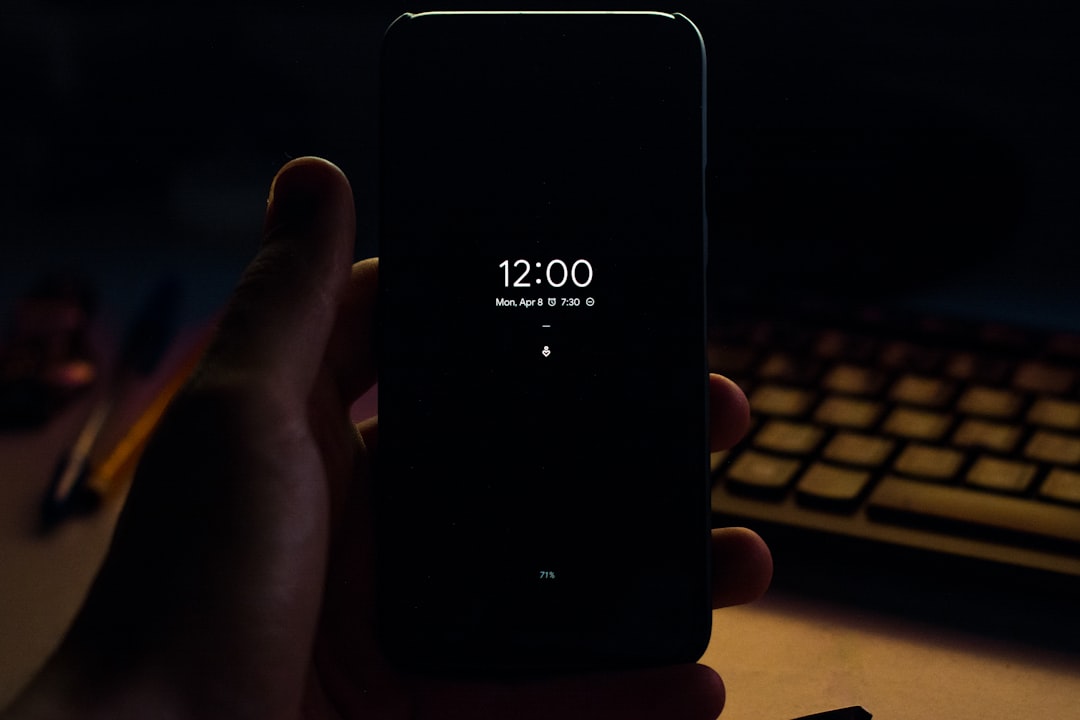
How the Battery Capacity Reduction Feature Works
The 2026 Pixel 10 update introduces a new section under Settings > Battery > Charging Optimization. Within this menu, users can select a maximum charge cap. Available options include:
- 100% – Standard full capacity charging (default setting)
- 95% – Light optimization for minimal daily impact
- 90% – Balanced health and performance approach
- 85% – Maximum longevity mode
When enabled, the system intelligently stops charging once the selected threshold is reached. Unlike older adaptive charging systems that tried to predict your wake time, this is a hard charge limit. The battery simply does not charge beyond the selected percentage unless temporarily overridden by the user.
Importantly, this is not a permanent hardware reduction. It is a software-managed ceiling that can be adjusted at any time.
The Science Behind Battery Longevity
To understand the significance of this update, it helps to look at the data. Research on lithium ion battery aging consistently shows that lower maximum state of charge improves cycle life. For example:
- Batteries charged to 100% may retain 80% capacity after 500 cycles.
- Batteries limited to 90% may reach that same threshold after 800 cycles.
- Batteries capped at 85% can extend usable cycle life by over 40%.
This translates directly into real-world longevity. A Pixel user who limits charging to 90% could maintain better battery health by year three compared to a user who consistently charges to 100%.
For consumers who upgrade every 12 months, the difference may be negligible. However, for those who keep devices three to five years—or purchase refurbished models—the impact is substantial.

Comparison: Standard Charging vs Capacity Reduction
| Feature | Standard 100% Charging | 90% Charge Limit Enabled | 85% Charge Limit Enabled |
|---|---|---|---|
| Daily Battery Life | Maximum available | Slightly reduced | Noticeably reduced |
| Heat Stress | Higher at full charge | Reduced | Significantly reduced |
| Long-Term Capacity Retention | Baseline | Improved | Maximum improvement |
| Best For | Heavy daily users | Most users | Long-term ownership |
This comparison highlights a key point: the trade-off is short-term capacity for long-term consistency.
Who Should Use This Feature?
The battery capacity reduction feature is not mandatory, and it is not ideal for everyone. The following groups will benefit the most:
- Long-term device owners who keep phones 3+ years
- Light to moderate users who do not fully drain their battery daily
- Enterprise deployments managing large fleets of Pixel devices
- Users in hot climates, where heat accelerates battery degradation
Conversely, power users who regularly consume 90–100% of their battery each day may find the limit restrictive. Fortunately, the setting can be toggled off during travel or high-demand situations.
Integration with Adaptive Charging and AI
The Pixel 10 builds on Google’s earlier Adaptive Charging feature, but the two systems function differently. Adaptive Charging attempted to delay reaching 100% until just before the user woke up. The new capacity reduction feature instead focuses on voltage limitation, not timing optimization.
When both features are enabled:
- The phone charges slowly overnight.
- It stops at the selected maximum charge (e.g., 90%).
- It reduces high-voltage dwell time.
This layered approach significantly decreases battery stress without requiring active user management.
Environmental and Sustainability Impact
Google has positioned this update as part of its broader sustainability initiative. Smartphone battery replacement remains one of the most common hardware repairs. By extending usable battery lifespan, the Pixel 10 aims to:
- Reduce electronic waste
- Lower repair frequency
- Increase resale and trade-in value
- Extend total device lifecycle
From a lifecycle analysis perspective, extending device usability by even one year meaningfully reduces environmental impact. Fewer replacements mean fewer raw materials extracted and fewer devices manufactured.

Addressing Consumer Concerns
Some early reactions to the feature questioned whether Google was reducing hardware capacity to mask smaller batteries. This is not the case. The Pixel 10 retains its advertised battery size. The feature is:
- Optional
- User-controlled
- Reversible at any time
Transparency is central to the rollout. The charging settings screen displays projected battery health improvements when enabling different charge limits, helping users make informed choices.
Potential Drawbacks
No battery management system is without trade-offs. Users opting for aggressive charge limits should be aware of:
- Shorter time between charges
- Possible inconvenience during travel
- Reduced perceived battery performance
However, these drawbacks are primarily relevant to high-intensity usage scenarios. For many users—especially those working near chargers throughout the day—the impact is minimal.
How This Compares to Other Manufacturers
Google is not alone in exploring charge limit technology. Several laptop manufacturers and electric vehicle makers have offered configurable charge caps for years. In the smartphone industry:
- Some Android manufacturers introduced 80% charge protection modes.
- Apple implemented optimized battery charging, though without hard user-set caps until recently.
- Enterprise-focused rugged devices have offered battery preservation modes for fleet management.
The Pixel 10’s approach stands out because of its flexibility and clarity. Instead of a single preset, users can select a range that matches their lifestyle.
Long-Term Implications for Smartphone Design
The introduction of a battery capacity reduction feature signals a shift in how manufacturers define performance. Traditionally, smartphone development emphasized peak metrics: higher brightness, faster processors, larger batteries. Increasingly, the focus is moving toward durability, efficiency, and lifecycle optimization.
If widely adopted, configurable battery limits could become standard across flagship devices by 2027. This would normalize the idea that responsible power management is part of premium ownership—not a compromise.
Final Assessment
The Pixel 10 Battery Capacity Reduction feature represents a mature, technically grounded response to a well-understood engineering challenge. Rather than overpromising breakthrough battery chemistry, Google leverages existing science to meaningfully slow degradation.
For users who value long-term reliability over marginal daily battery gains, the feature delivers tangible benefits. It empowers individuals to balance immediate performance with sustainable device health—an approach that reflects the evolving priorities of modern technology users.
In practical terms, the feature will not revolutionize daily smartphone usage. What it will do, however, is ensure that two or three years later, your Pixel 10 feels less aged, more consistent, and better aligned with its original performance benchmarks. For serious users who care about longevity, that is a meaningful advancement.