
Search engine optimization has evolved into a data-driven discipline where precision, speed, and real-time insights determine success. Businesses and digital marketers can no longer rely on occasional keyword checks or guesswork to measure their visibility in search engine results. Instead, they turn to specialized SERP tracking platforms like AccuRanker to monitor keyword positions, analyze competitors, and make informed optimization decisions that drive measurable growth.
TL;DR: SERP tracking platforms such as AccuRanker help businesses monitor keyword rankings, analyze competitors, and measure SEO performance with precision. These tools provide real-time data, advanced filtering, reporting features, and historical insights to guide strategic decisions. By leveraging accurate rank tracking, organizations can optimize content, improve visibility, and respond quickly to search engine fluctuations. Choosing the right platform depends on accuracy needs, budget, scale, and reporting requirements.
As search engine algorithms grow more sophisticated, monitoring ranking positions across locations, devices, and search environments has become increasingly complex. This is where SERP tracking platforms play a critical role. They automate ranking checks, eliminate human error, and provide actionable insights that support long-term SEO strategies.
The Importance of SERP Tracking in Modern SEO
Search Engine Results Pages (SERPs) determine how visible a website is to potential customers. Even slight fluctuations in keyword rankings can significantly impact traffic, conversions, and revenue. Accurate tracking allows marketers to:
- Measure campaign effectiveness
- Identify ranking declines early
- Monitor competitor performance
- Evaluate content updates
- Track local and mobile rankings
Without a structured tracking system, teams are effectively navigating without a compass. Modern SEO requires continuous observation and data-backed adaptation. Real-time rank tracking platforms like AccuRanker ensure businesses stay ahead of sudden algorithm shifts and competitive movements.
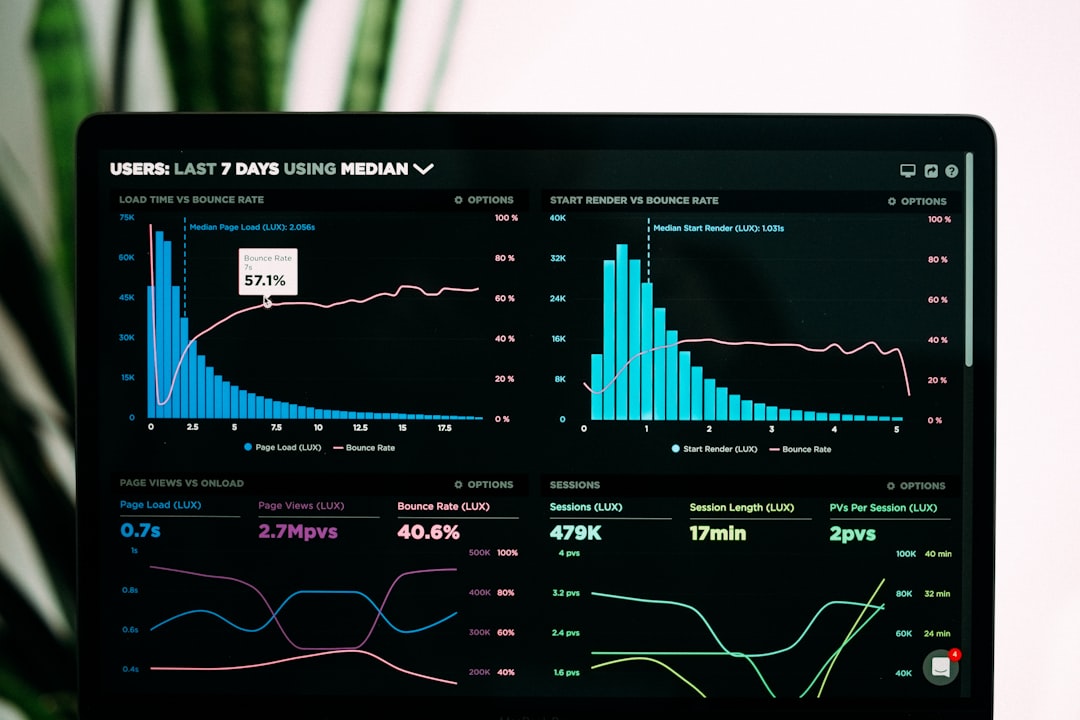
Core Features of Platforms Like AccuRanker
SERP tracking platforms are not limited to simple rank checking. High-tier solutions provide robust analytical features designed to support comprehensive SEO management.
1. Real-Time Rank Tracking
Unlike tools that update data periodically, premium platforms offer on-demand or near real-time updates. This means users can instantly evaluate the impact of content changes, backlink additions, or technical fixes.
2. Location and Device-Based Tracking
Search results differ by geography and device type. Businesses targeting local customers require accurate local SERP data. Advanced tools allow keyword tracking by city, region, or even ZIP code, across desktop and mobile environments.
3. Competitor Monitoring
Understanding how competitors perform in search rankings provides strategic advantages. SERP tracking platforms allow side-by-side comparison, revealing keyword gaps and opportunities.
4. Historical Data and Trend Analysis
Long-term data storage enables trend evaluation. Marketers can identify seasonal patterns, algorithmic impacts, and sustained growth or decline.
5. Reporting and Data Visualization
Custom dashboards and automated reports transform complex data into digestible visuals. Agencies, in particular, benefit from white-label reporting capabilities.
Image not found in postmeta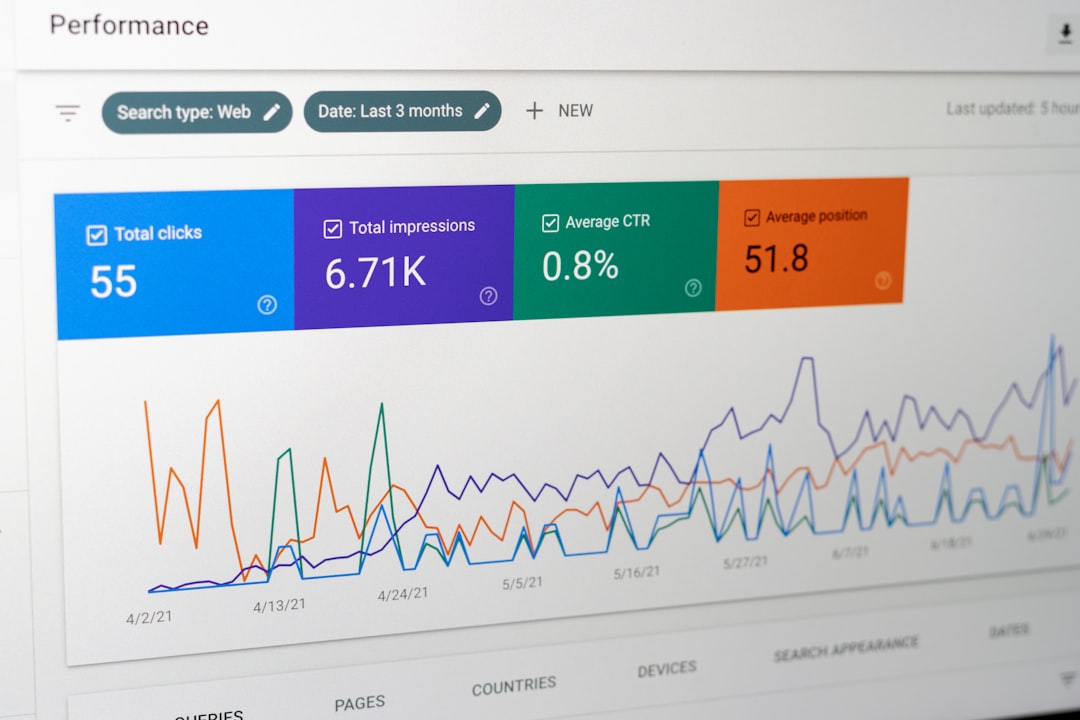
Benefits of Using AccuRanker and Similar Tools
While there are many rank tracking platforms available, solutions like AccuRanker focus heavily on speed and accuracy. The advantages of using such tools extend beyond convenience.
Improved Decision-Making
Accurate, up-to-date data empowers marketers to make strategic decisions quickly. Instead of waiting for monthly reports, teams can instantly adjust tactics.
Enhanced Content Optimization
By analyzing which keywords are climbing or declining, teams can refine on-page elements such as headings, meta descriptions, and content structure.
Performance Accountability
SEO efforts are often scrutinized due to their long-term nature. SERP tracking provides tangible evidence of progress, justifying budgets and strategic changes.
Algorithm Change Detection
Sharp ranking movements often signal broader algorithm updates. Monitoring tools help businesses react proactively instead of reactively.
Comparison of Leading SERP Tracking Platforms
Below is a simplified comparison chart of some widely used rank tracking platforms. Each offers unique strengths depending on the user’s needs.
| Platform | Real-Time Updates | Local Tracking | Competitor Analysis | Reporting Features | Best For |
|---|---|---|---|---|---|
| AccuRanker | Yes | Advanced | Strong | Custom & Automated | Agencies and Enterprises |
| SEMrush | Daily | Yes | Comprehensive Suite | Detailed Reports | All-in-One Marketing Teams |
| Ahrefs | Daily | Yes | Strong | Visual Dashboards | SEO Professionals |
| Serpstat | Daily | Yes | Moderate | Standard Reports | Small Businesses |
| Mangools SERPWatcher | Daily | Basic | Limited | Simple Reports | Beginners |
How SERP Tracking Improves ROI
SEO is often viewed as a long-term investment. However, consistent rank tracking transforms it into a measurable growth engine. By identifying high-performing keywords, businesses can:
- Focus resources on profitable pages
- Optimize underperforming content
- Expand keyword coverage strategically
- Allocate budgets more effectively
Every upward ranking movement increases visibility and click-through potential. Monitoring ensures these gains are protected and expanded upon over time.
Local SEO and Mobile Monitoring
Mobile-first indexing and localized searches have redefined ranking strategies. For businesses operating in specific regions, generalized national rankings are insufficient. Advanced SERP tracking allows:
- Geo-specific keyword tracking
- Mobile vs. desktop performance comparisons
- Local pack presence monitoring
- Voice search trend analysis
This granular level of visibility enables businesses to refine local campaigns and capture high-intent audiences.
Image not found in postmeta
Key Metrics Beyond Keyword Position
While ranking position is central, modern SERP tracking tools provide additional metrics that deepen insight:
- Share of Voice (SOV)
- Estimated traffic potential
- Click-through rate indicators
- SERP feature tracking (featured snippets, videos, FAQs)
Tracking SERP features is particularly valuable. Appearing in a featured snippet can generate traffic even without holding the number one organic position.
Challenges in SERP Tracking
Despite their advantages, rank tracking tools present certain challenges:
- Data discrepancies between platforms
- Frequent algorithm volatility
- Sampling variations in local searches
- Cost scalability for large keyword sets
To address these issues, businesses should focus on trends rather than isolated ranking fluctuations. Long-term patterns provide more reliable strategic guidance than daily swings.
Choosing the Right SERP Tracking Platform
Selecting the ideal solution depends on several factors:
- Scale of keyword tracking needs
- Budget constraints
- Agency vs. in-house requirements
- Level of reporting customization needed
- Integration with existing SEO tools
Agencies handling multiple clients typically require automation, white-label reports, and real-time tracking. Smaller businesses may prioritize affordability and ease of use instead.
The Future of SERP Tracking
As artificial intelligence reshapes search engines, SERP tracking will continue evolving. Personalized search results, AI-generated summaries, and zero-click searches create new measurement complexities. Platforms like AccuRanker are adapting by incorporating enhanced SERP feature tracking and advanced data segmentation.
The focus is shifting from simply monitoring rankings to understanding search visibility ecosystems. This broader view encompasses organic results, paid placements, snippets, and multimedia integrations. Businesses that adopt advanced tracking methodologies will remain more agile and competitive in an increasingly dynamic search environment.
Conclusion
SERP tracking platforms like AccuRanker have become indispensable tools in the modern SEO toolkit. They provide accurate, real-time data that transforms SEO from assumption-based optimization into strategic execution grounded in analytics. With features ranging from local tracking to competitor analysis and automated reporting, these platforms deliver measurable insights that enhance performance and profitability.
In a digital environment where even minor ranking shifts can influence revenue, consistent monitoring ensures businesses remain visible, competitive, and adaptable. Ultimately, investing in a reliable SERP tracking platform is not merely about observing rankings—it is about building sustainable search visibility that drives long-term growth.
Frequently Asked Questions (FAQ)
1. What is a SERP tracking platform?
A SERP tracking platform is a software tool that monitors keyword rankings on search engine results pages. It provides real-time or scheduled updates on how a website performs for specific search queries.
2. Why is real-time rank tracking important?
Real-time tracking allows businesses to immediately assess the impact of SEO changes, competitor actions, or algorithm updates, enabling faster and more informed decision-making.
3. How accurate are SERP tracking tools?
Accuracy depends on the platform and tracking settings. Premium tools like AccuRanker emphasize precise data collection across devices and locations, though minor variations can occur due to search personalization.
4. Can SERP tracking help with local SEO?
Yes. Advanced rank trackers offer geo-targeted monitoring, allowing businesses to track keyword performance at city or regional levels.
5. How many keywords should a business track?
This depends on the size of the website and SEO goals. Small businesses may track dozens of keywords, while enterprises and agencies often track thousands.
6. Do SERP tracking platforms integrate with other SEO tools?
Many modern platforms integrate with analytics software, reporting tools, and broader marketing suites to provide a more comprehensive performance view.
7. Are SERP tracking tools suitable for small businesses?
Yes. While enterprise tools offer advanced features, many platforms provide scalable plans suitable for small businesses looking to improve their online visibility.