
In a world where data rules and departments often work in silos, something beautiful has started to unfold behind the scenes in modern organizations—the union of Payroll and Human Resources. This isn’t just about breaking down walls or integrating software—it’s about two vital organizational functions discovering that they’re stronger together. With compliance pressures mounting, employee expectations rising, and digital transformation driving change, Payroll and HR are finding common ground out of necessity and, perhaps unexpectedly, forging a partnership that no spreadsheet alone could sustain.
TLDR:
Payroll and HR have traditionally worked independently, often resulting in inefficiencies and errors. Today’s business environment demands tighter collaboration, where integrated systems and shared data can streamline operations and reduce compliance risks. By embracing tech and organizational synergy, Payroll and HR aren’t just collaborating—they’re transforming the workplace together. This evolving relationship is more strategic than transactional and could shape the future of work.
The Historical Divide
Historically, Payroll and HR operated as parallel functions, intersecting only at predetermined points such as hiring, promotions, or terminations. HR managed the people-side—recruiting, training, performance management—while Payroll focused on processing wages, taxes, and benefits disbursement. This siloed approach, while functional, was riddled with potential pitfalls:
- Duplicate data entry causing errors or conflicting information
- Lag in updating status changes like role shifts or departures
- Compliance overlaps leading to audit vulnerabilities
These inefficiencies weren’t merely inconvenient—they posed real financial and legal risks. And as companies grew, these risks scaled right alongside them.
The Digital Wake-Up Call
With the advancement of digital tools and the emergence of cloud-based HR solutions, companies began to realize the cost—including opportunity cost—of having two disconnected systems. This realization served as the wake-up call: to improve agility and compliance, Payroll and HR needed to talk. Literally.
Integrated platforms began changing the landscape, offering real-time data sharing and unified dashboards. Suddenly, Payroll could update instantly with changes logged by HR, and HR could analyze workforce trends without pulling quarterly reports from different platforms.
Companies that embraced this integration saw significant results:
- Faster onboarding with seamless document management and payroll setup
- Reduced errors through single-source data entry
- Better compliance by automating tax forms, leave tracking, and labor law updates

Why Integration Is No Longer Optional
If the last few years have taught companies anything, it’s that organizational resilience depends on flexibility and speed. Nowhere is this more critical than in how businesses handle their human capital and compensation functions. A disjointed system is not just inefficient—it’s dangerous:
- Remote and hybrid work have increased the complexity of time tracking, tax jurisdictions, and benefits eligibility
- Heightened employee expectations demand faster issue resolution, transparent payroll processes, and digital record access
- Regulatory shifts, including wage transparency laws and GDPR, require consistent, reliable data handling
Without a strong alignment between Payroll and HR, companies risk non-compliance, frustrated employees, and substantial revenue loss.
The Case for Unified Systems
Today’s leading organizations are moving beyond integration—and toward unification. This means a single platform or cloud ecosystem where Payroll and HR data coexist, updated in real-time and accessible across both departments. Companies using unified systems report:
- 60% improvement in accuracy of records
- 30% faster processing of employee lifecycle events
- Increased trust among employees due to fewer pay errors and clearer HR communications
Think of it this way: rather than just handing the ball off, Payroll and HR are now coaching from the same playbook.
The Human Element: Culture and Communication
Technology can enable integration, but it’s people who ensure its success. Building a strong relationship between Payroll and HR requires more than file-sharing and dashboards. It demands:
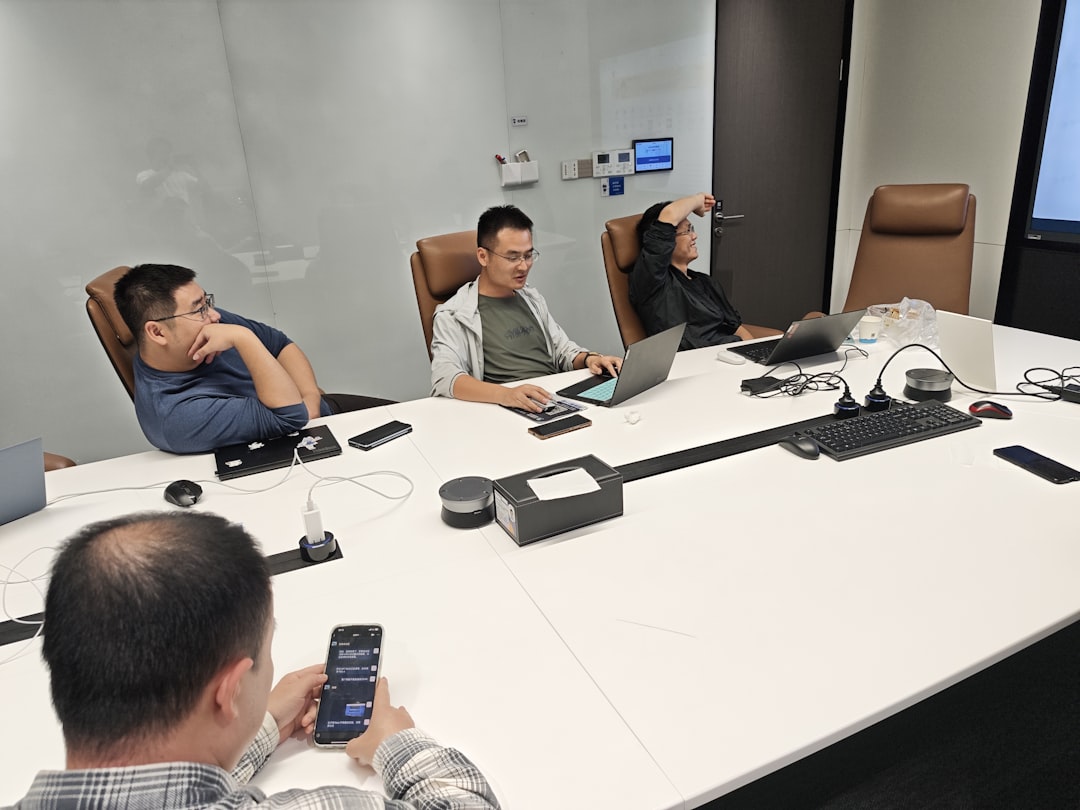
- Regular cross-functional meetings to discuss changes in policies, employee statuses, and compliance updates
- Aligned KPIs that encourage both teams to work toward common goals, like improving employee experience or reducing pay-cycle errors
- Shared education where HR understands the basics of payroll rules and Payroll personnel are trained in HR compliance
Ultimately, this relationship is about trust and transparency. When employees come to HR with a compensation concern, they expect an accurate answer. When Payroll receives last-minute changes, they rely on HR to have sent reliable data. Healthy internal relationships translate to better external employee experiences.
Real-World Love Stories
Consider this scenario: A global manufacturing company integrated their Payroll and HR systems across multiple regions using a unifying cloud platform. By doing so, they cut HR data entry by 40%, minimized delayed payments in international branches, and avoided non-compliance penalties that had previously cost them over $150,000 annually.
Or take a mid-sized tech startup that shifted from spreadsheet-based tracking to a joint platform. They saw a 25% reduction in off-cycle raises and reimbursements—simply because status updates, role changes, and PTO usage were shared instantly across departments.
These aren’t just tech upgrades. They’re proof that when fixed-function departments work as one, the cumulative value is far greater than the sum of its parts.
Preparing for the Future
Artificial Intelligence and predictive analytics are already entering the scene, offering new opportunities for integrated Payroll and HR systems:
- Predictive turnover models can flag compensation-related attrition risks
- AI-powered chatbots can assist employees with both payroll questions and HR processes in one place
- Automated audits can instantly detect inconsistencies or compliance red flags across both domains
To take advantage of these innovations, organizations will have to stop treating Payroll and HR as individual departments—and start treating them as parts of a shared operational brain. That means continuing to evolve the culture, processes, and technology that binds them.
Conclusion: A Strategic Partnership
The convergence of Payroll and HR is no longer an option only for forward-thinking companies—it’s becoming the standard for any business that wants to thrive. As these disciplines grow increasingly interconnected, leaders across departments must champion not only system integration, but also a mindset shift toward strategic partnership.
So, when Payroll meets HR, it’s not just about operational alignment. It’s about creating smoother journeys for employees, safeguarding against risks, and building a future-ready organization. No spreadsheet could ever capture the complexity—or the potential—of this evolving relationship.