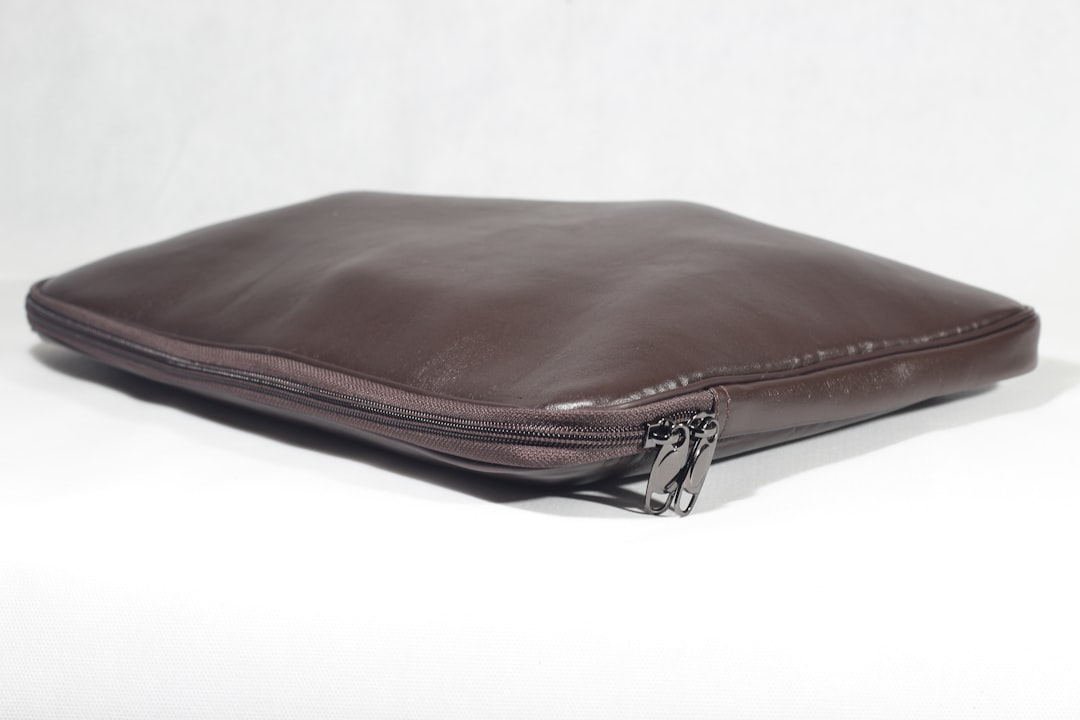
In the world of leathercraft, the quality of the raw material determines the quality of the final product. Zuschneidfelle, or cutting leathers, are hides specifically selected and prepared for efficient cutting and consistent results. Whether you are producing fine leather goods, upholstery components, or technical leather parts, understanding how to choose the right Zuschneidfelle is essential for durability, aesthetics, and cost control.
TL;DR: Zuschneidfelle are carefully selected leather hides optimized for cutting efficiency and consistent quality. Choosing the right type depends on animal origin, tanning method, thickness, and intended use. Proper evaluation and handling reduce waste and ensure reliable results in professional and semi-professional leather production.
What Are Zuschneidfelle?
Zuschneidfelle are leather hides intended primarily for cutting into predefined shapes and components. Unlike decorative or specialty leathers, their main value lies in uniformity, predictability, and efficient material usage. They are widely used in industries such as footwear, handbags, belts, upholstery, and industrial leather goods.
These hides are graded not only by appearance but also by structural consistency. Low stretch, even thickness, and minimal surface defects are crucial. A well-chosen cutting leather allows manufacturers to plan layouts precisely, reduce offcuts, and maintain stable production costs.
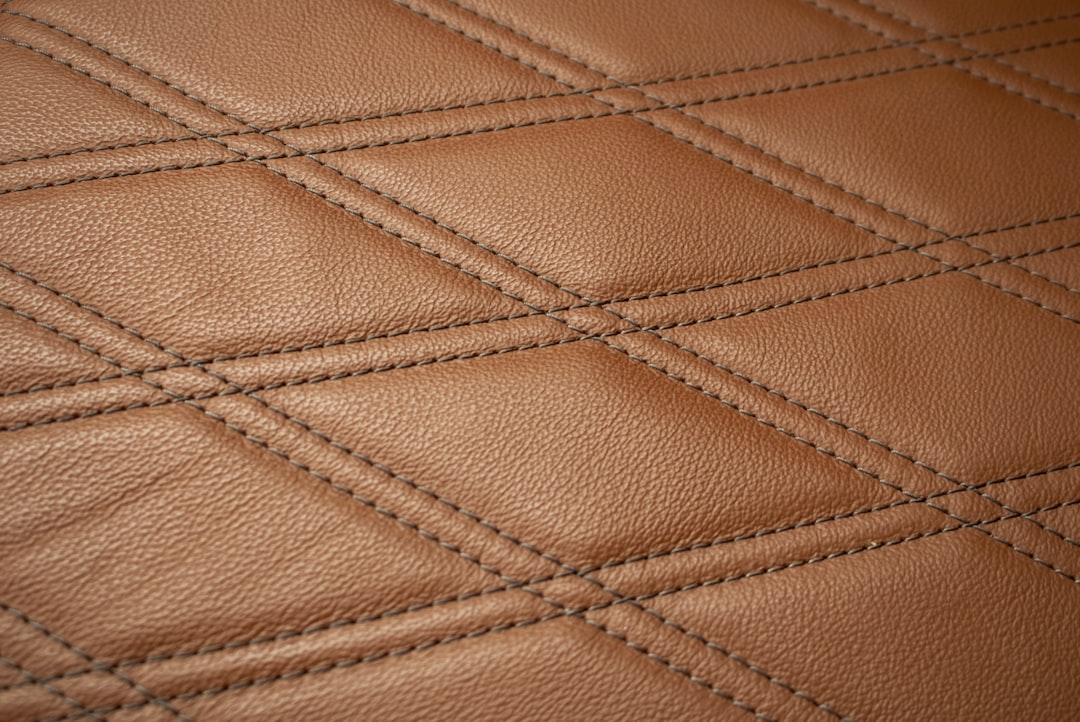
Animal Origin and Its Importance
The animal source of the hide has a significant impact on the behavior and suitability of Zuschneidfelle. Cowhide is the most common choice due to its balanced strength, size, and availability. It works well for most applications, from bags to furniture.
Calfskin offers a finer grain and softer hand feel, making it suitable for high-end goods where precision and surface appearance matter. Goatskin provides excellent tensile strength relative to its thickness and is often used for small leather items. Sheepskin, while softer, is less durable and better suited for lining or light-duty applications.
Understanding the biological structure of each hide helps predict how it will respond to cutting, stretching, and long-term use.
Tanning Methods and Their Influence
The tanning process determines many of the functional properties of Zuschneidfelle. The two most common methods are vegetable tanning and chrome tanning.
- Vegetable-tanned leather is firm, shape-retentive, and ages naturally. It is ideal for belts, straps, and structured goods.
- Chrome-tanned leather is softer, more flexible, and resistant to moisture, making it suitable for upholstery and garments.
There are also hybrid and specialty tanning methods that combine properties such as softness, heat resistance, or environmental compliance. When selecting cutting leather, consistency within a batch is often more important than the tanning method itself.
Image not found in postmeta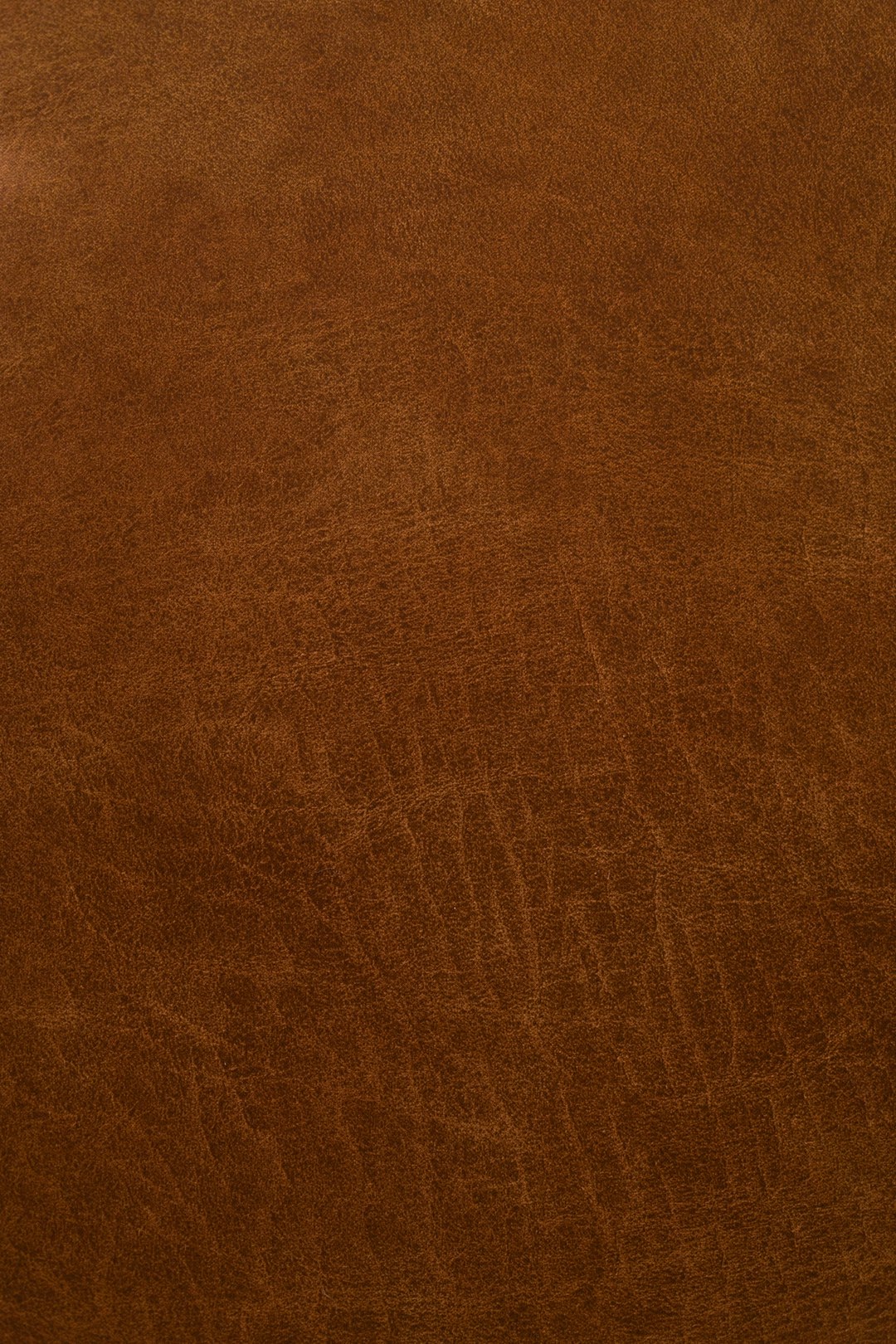
Thickness and Substance Control
Thickness, often referred to as substance, plays a decisive role in cutting performance. Zuschneidfelle are usually sorted and split to achieve a defined thickness range. Consistent thickness ensures clean cuts, predictable edge finishing, and uniform assembly.
Thin leathers, typically between 0.8 and 1.2 mm, are used for wallets, linings, and small accessories. Medium thicknesses, around 1.4 to 2.0 mm, are common in handbags and upholstery. Thicker hides above 2.5 mm are used for belts, saddlery, or protective applications.
Professional buyers always verify substance tolerance, as variations lead to tooling adjustments, slower production, and higher scrap rates.
Grading and Natural Defects
No leather hide is perfect. Stretch marks, insect bites, scars, and vein patterns are natural characteristics. Zuschneidfelle are graded according to the number, size, and location of these features.
Higher grades have fewer defects concentrated at the edges, allowing more usable cutting area in the center. Lower grades may still be perfectly functional but require more careful layout planning.
A trustworthy supplier will provide transparent grading definitions and realistic yield expectations. Overly optimistic grading often leads to dissatisfaction and hidden costs.
- Grade A: minimal defects, high cutting yield
- Grade B: moderate defects, balanced cost-performance ratio
- Grade C: visible defects, suitable for small parts or non-visible areas
Cutting Behavior and Fiber Structure
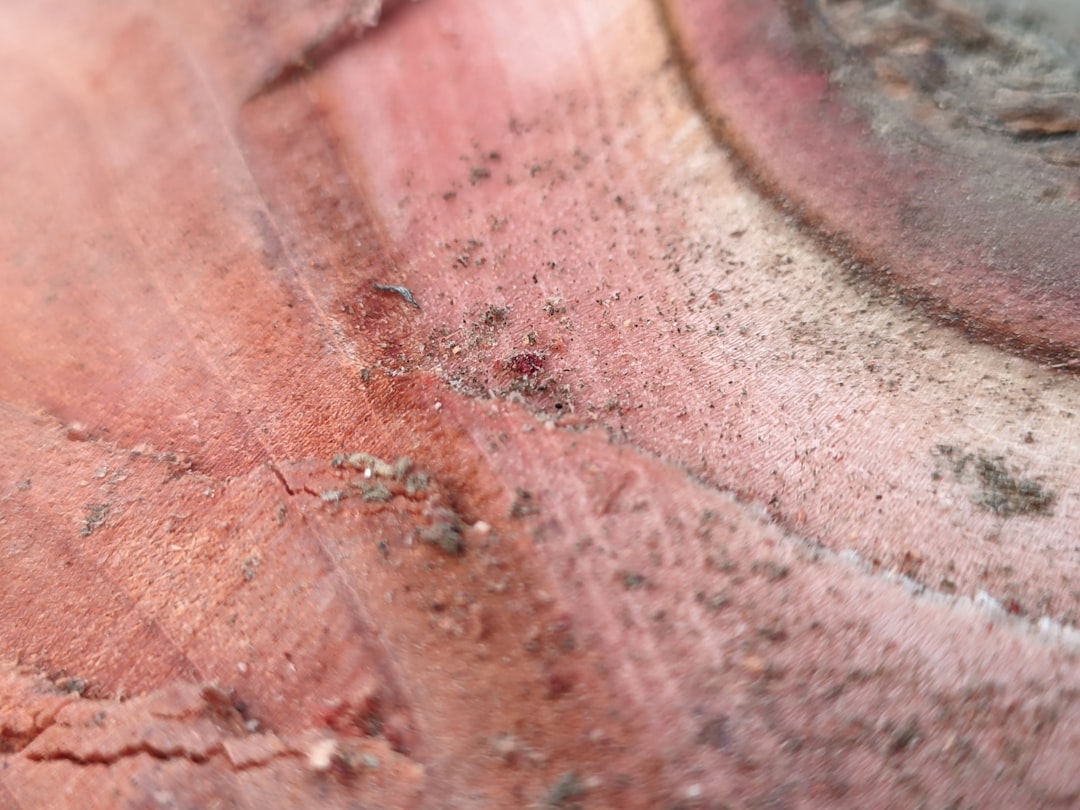
The internal fiber structure of leather affects how it responds to knives, dies, and automated cutting systems. Dense, evenly aligned fibers produce clean edges and reduce tearing. Loose fiber structures may cause fuzzy edges or deformation.
Testing a hide before bulk cutting is a common professional practice. Simple test cuts reveal resistance, edge quality, and stretch behavior. Zuschneidfelle intended for automated or CNC cutting must meet especially high standards of consistency.
Grain direction should also be considered, particularly for load-bearing components. Cutting parallel or perpendicular to the backbone can significantly alter strength and flexibility.
Applications and Use-Specific Selection
The intended application ultimately defines what makes a Zuschneidfell “right.” A furniture manufacturer prioritizes large, clean cutting areas and color consistency. A leather goods workshop may value firmness and edge quality. Technical applications focus on tensile strength and resistance to wear.
Choosing leather without considering its final use often results in compromises during production. Experienced buyers start with technical requirements and only then evaluate appearance and price.
Typical application-based priorities include:
- Upholstery: softness, large hides, color uniformity
- Bags and accessories: firmness, clean edges, aesthetic grain
- Belts and straps: thickness, tensile strength, low stretch
Storage, Handling, and Quality Preservation
Even high-quality Zuschneidfelle can lose value if stored or handled incorrectly. Leather should be kept in a dry, well-ventilated environment, protected from direct sunlight and extreme temperatures.
Hides stored flat or properly hung maintain their shape and moisture balance. Prolonged compression or folding can create creases that remain visible after cutting. Responsible handling is part of quality management, not an afterthought.
Working With Reliable Suppliers
Consistency over time is one of the biggest challenges when sourcing Zuschneidfelle. Reliable suppliers document their tanning batches, grading standards, and thickness tolerances. Long-term cooperation often results in better material matching and fewer surprises.
Requesting samples, technical data sheets, and clear return policies is standard practice in professional procurement. Trustworthy suppliers welcome transparency because it builds lasting partnerships.
Conclusion
Zuschneidfelle are more than just raw leather hides; they are precision materials that influence every stage of leather production. From animal origin and tanning method to thickness control and grading, each factor contributes to cutting efficiency and product quality.
By approaching the selection process with technical understanding and realistic expectations, craftsmen and manufacturers alike can reduce waste, control costs, and achieve reliable results. Choosing the right cutting leather is not a single decision, but a disciplined process grounded in knowledge and experience.