
Modern sales organizations operate in an environment where timing, visibility, and consistency determine revenue outcomes. Spreadsheets and disconnected systems can no longer support complex pipelines, multi-touch follow-ups, and data-driven forecasting. To compete effectively, businesses need structured sales process platforms that centralize deal tracking, automate communication, and provide measurable return on investment. The right solution not only improves operational efficiency but also builds predictability into revenue generation.
TLDR: Sales process platforms help organizations track deals in real time, automate follow-ups, and increase ROI by creating consistency and visibility across the pipeline. Tools like Salesforce, HubSpot, Pipedrive, Zoho CRM, Monday Sales CRM, Freshsales, and Close offer varying levels of automation, reporting, and customization. Choosing the best platform depends on your company size, sales complexity, and integration needs. Implemented correctly, these systems reduce missed opportunities and drive measurable revenue growth.
What to Look for in a Sales Process Platform
Before evaluating individual solutions, it is essential to understand the key capabilities that define a high-performing platform. The following features separate average tools from ROI-focused systems:
- Deal Tracking: Visual pipelines, stage progression monitoring, and real-time reporting.
- Automation: Follow-up emails, reminders, task creation, and workflow triggers.
- Analytics and Forecasting: Revenue projections, win-rate tracking, and performance metrics.
- Integration: Connectivity with marketing, customer support, and financial tools.
- Scalability: Capability to grow with increasing team size and sales complexity.
Below are seven reliable platforms that consistently deliver measurable improvements in process transparency and ROI.
1. Salesforce Sales Cloud
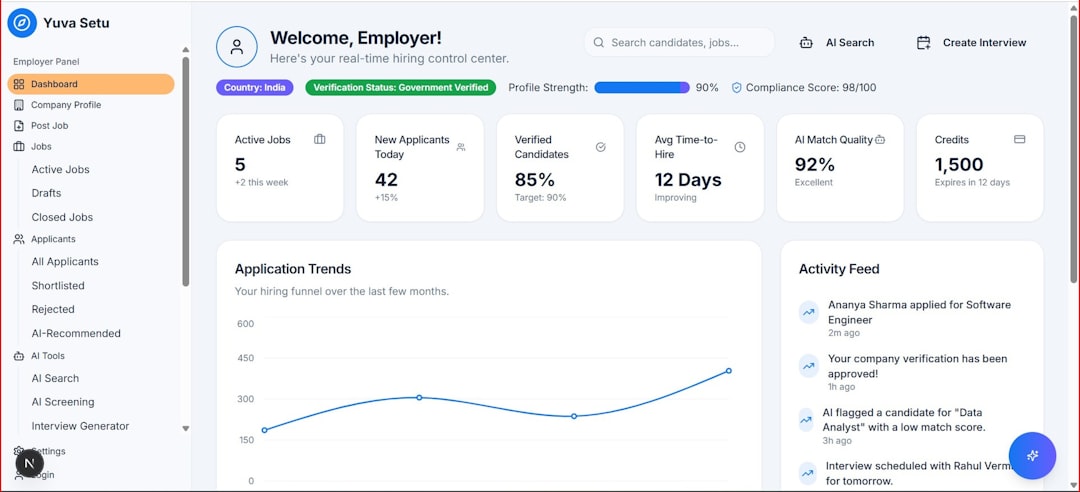
Salesforce remains one of the most comprehensive and powerful sales platforms available. Designed for scalability, it offers deep customization for complex sales operations.
- Advanced deal tracking with customizable pipeline stages
- Workflow automation through Salesforce Flow
- AI-powered insights via Einstein Analytics
- Extensive integration ecosystem
Salesforce excels in enterprises that require multi-layered reporting and advanced territory management. While implementation may require careful planning, the ROI potential is substantial when properly configured.
2. HubSpot Sales Hub
HubSpot Sales Hub is widely trusted for its intuitive interface and strong alignment between marketing and sales teams.
- Visual pipeline management
- Email follow-up automation and tracking
- Meeting scheduling and task reminders
- Comprehensive reporting dashboards
HubSpot stands out for ease of use and fast onboarding. Companies looking for streamlined adoption without sacrificing powerful automation capabilities often find this platform highly efficient.
3. Pipedrive
Pipedrive focuses intensely on visual pipeline management and activity-based selling.
- Drag-and-drop deal tracking
- Automated reminders and workflows
- Revenue forecasting tools
- Sales activity reporting
Pipedrive is particularly effective for small to medium-sized sales teams that prioritize simplicity and strong day-to-day workflow visibility.
4. Zoho CRM

Zoho CRM provides a balance between affordability and advanced functionality. It is well-suited for growing organizations looking for automation without enterprise-level pricing.
- Blueprint process automation
- Omnichannel communication tracking
- AI assistant for deal predictions
- Customizable dashboards
Zoho CRM enables businesses to standardize their processes, reducing inconsistencies that often lead to lost revenue opportunities.
5. Monday Sales CRM
Monday Sales CRM combines project management principles with sales pipeline functionality.
- Customizable sales boards
- Automated notifications and follow-ups
- Deal stage tracking
- Team collaboration tools
Its visual layout helps teams quickly identify stalled deals while automation ensures no prospect is forgotten. It is particularly useful for teams that value transparency and cross-department collaboration.
6. Freshsales (Freshworks)
Freshsales integrates built-in communication tools with robust automation capabilities.
- AI-based lead scoring
- Email and phone integration
- Automated sales sequences
- Custom reporting dashboards
Freshsales stands out for centralizing communication. Sales representatives can manage calls, emails, and notes within a single interface, minimizing context switching and improving productivity.
7. Close
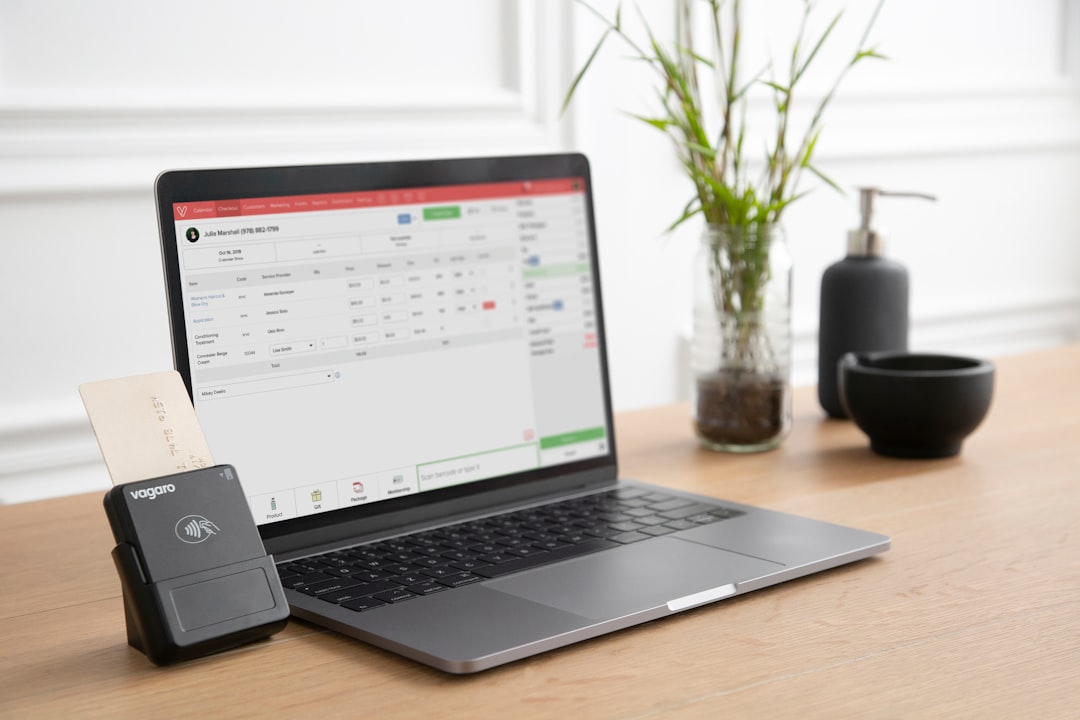
Close is designed specifically for inside sales teams focused on high-volume outreach.
- Built-in calling and SMS automation
- Predictive and power dialers
- Workflow automation for follow-ups
- Detailed activity reporting
For organizations emphasizing outbound sales, Close delivers measurable efficiency gains and improved lead conversion rates.
Comparison Chart
| Platform | Best For | Automation Level | Ease of Use | Scalability |
|---|---|---|---|---|
| Salesforce | Large enterprises | Very High | Moderate | Excellent |
| HubSpot Sales Hub | Growing teams | High | High | Strong |
| Pipedrive | SMBs | Moderate | Very High | Moderate |
| Zoho CRM | Cost-conscious businesses | High | Moderate | Strong |
| Monday Sales CRM | Collaborative teams | Moderate | High | Moderate |
| Freshsales | Communication driven teams | High | High | Strong |
| Close | Inside sales teams | High | High | Moderate |
How These Platforms Increase ROI
Implementing a structured sales process platform delivers ROI through several measurable mechanisms:
- Reduced Deal Leakage: Automated follow-ups ensure leads do not slip through the cracks.
- Improved Conversion Rates: Timely engagement and structured tracking increase opportunity progression.
- Time Savings: Automation minimizes manual administrative work.
- Better Forecast Accuracy: Reliable data improves business planning and resource allocation.
- Stronger Accountability: Transparent reporting improves team performance management.
When sales managers gain full pipeline visibility, they can proactively address stalled deals and coach representatives based on real performance data rather than intuition.
Choosing the Right Platform
The most suitable platform depends on your organizational priorities:
- If customization and enterprise-scale control matter most, consider Salesforce.
- If alignment between sales and marketing is critical, HubSpot is an efficient choice.
- If simplicity and quick adoption are goals, Pipedrive or Monday Sales CRM may be preferable.
- If cost control with strong automation is a factor, Zoho CRM offers considerable value.
- If outbound calling is central to operations, Close or Freshsales are practical options.
Implementation discipline matters as much as platform selection. Clear pipeline definitions, consistent data entry standards, and ongoing training ensure that the platform delivers sustained value rather than becoming underutilized software.
Final Thoughts
Sales process platforms have evolved beyond simple contact databases. They now represent strategic infrastructure for predictable revenue growth. By tracking every deal stage, automating time-sensitive follow-ups, and delivering reliable insights, these systems enable organizations to improve efficiency while strengthening customer relationships.
Companies that invest in disciplined process management supported by the right technology consistently outperform competitors relying on manual systems. In an environment where missed follow-ups directly translate into lost revenue, structured automation and clear visibility are no longer optional—they are essential to maximizing ROI.