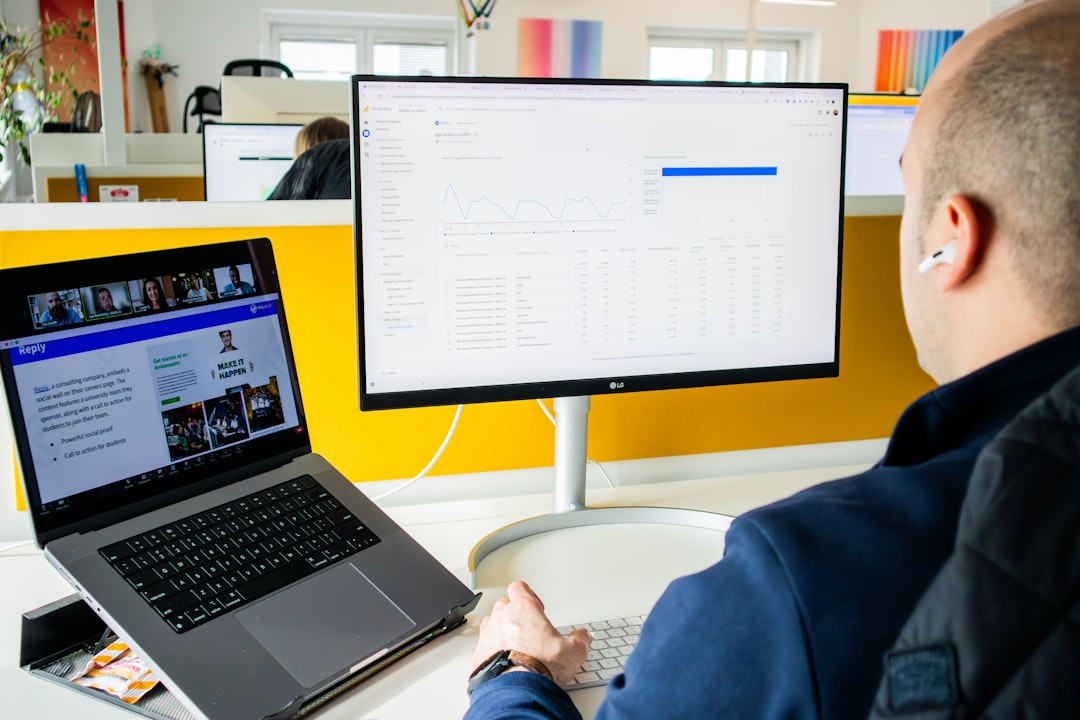
Hiring has become faster, more distributed, and more data-driven, but screening candidates still takes a surprising amount of time. One way video interview platforms help hiring teams replace early phone screens with recorded responses, giving recruiters, hiring managers, and interview panels a consistent way to evaluate candidates before inviting them to live interviews.
TLDR: The best one way video interview platform depends on your hiring volume, team size, compliance needs, and candidate experience priorities. HireVue, Spark Hire, VidCruiter, Willo, myInterview, and Criteria are among the strongest options for modern hiring teams. Look for easy setup, fair evaluation tools, integrations with your ATS, accessibility features, and a smooth experience for candidates.
What Is a One Way Video Interview Platform?
A one way video interview platform allows employers to send candidates a set of prewritten questions. Candidates record their answers on their own time, usually using a phone, tablet, or laptop. The hiring team can then watch, score, comment, and share those recordings internally.
This is different from a live video interview because there is no real-time conversation. The candidate responds asynchronously, and the employer reviews the submission later. For high-volume hiring, remote hiring, campus recruiting, seasonal staffing, and first-round screening, this can save hours every week.
These tools are especially useful when hiring teams want to evaluate communication, motivation, role understanding, problem-solving style, and professionalism before committing time to a live interview.
Why Hiring Teams Use One Way Video Interviews
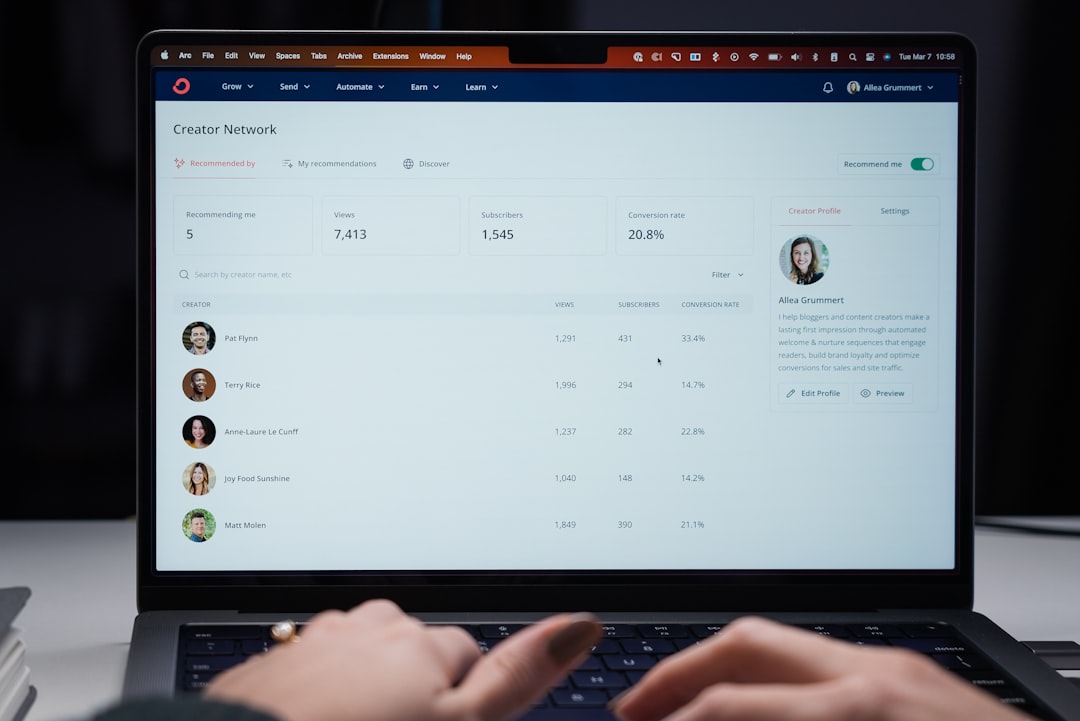
One way video interviews are popular because they create structure in a part of hiring that is often inconsistent. Instead of different recruiters asking different questions in rushed calls, every candidate receives the same prompt and the same opportunity to respond.
- Speed: Recruiters can screen more people in less time.
- Flexibility: Candidates can complete interviews outside business hours.
- Consistency: Every applicant answers the same questions.
- Collaboration: Hiring managers can review and rate candidates when convenient.
- Better shortlists: Teams can compare candidates more clearly before live interviews.
However, the best platforms are not just about speed. They also help teams create a fair, respectful, and branded candidate experience. A clunky tool can make an employer look disorganized, while a polished one can make the process feel professional and modern.
How to Choose the Best Platform
Before comparing vendors, define what your team needs most. A startup hiring ten people a year does not need the same system as an enterprise filling thousands of frontline roles. The right platform should match your workflow, not force your team into an awkward process.
- Ease of use: Can recruiters create interviews quickly without training?
- Candidate experience: Is the recording process simple, mobile-friendly, and clear?
- Evaluation tools: Are there rating scales, scorecards, comments, and sharing options?
- ATS integrations: Does it connect with your applicant tracking system?
- Compliance and security: Does it support data privacy requirements and fair hiring practices?
- Branding: Can you customize invitations, landing pages, and interview instructions?
- Scalability: Can it handle spikes in applications during seasonal or campus hiring?
1. HireVue
HireVue is one of the most recognized names in video interviewing and hiring technology. It is commonly used by enterprise employers that need structured interviewing, large-scale screening, assessments, and workflow automation.
The platform supports one way video interviews, live interviews, interview scheduling, structured evaluation, and integrations with major HR systems. It is particularly strong for companies with high application volume and multiple hiring stakeholders.
Best for: Large organizations, enterprise hiring teams, graduate recruitment, and high-volume roles.
Why teams like it: HireVue offers robust functionality, strong process standardization, and tools designed for complex hiring operations. It can help companies move candidates through early assessment stages faster while maintaining consistency.
Potential drawback: Smaller teams may find it more powerful than necessary, and pricing is typically better suited to larger organizations.
2. Spark Hire
Spark Hire is a popular choice for small and mid-sized businesses that want an approachable video interview solution without excessive complexity. It offers one way interviews, live interviews, collaboration features, interview sharing, and easy candidate review workflows.
The platform is known for being user-friendly. Recruiters can build question sets, invite candidates, and share completed interviews with hiring managers quickly. This makes it a strong option for teams that want to adopt video interviewing without a long implementation process.
Best for: Small to mid-sized businesses, staffing firms, growing companies, and teams new to video interviewing.
Why teams like it: Spark Hire is straightforward, practical, and easy for both recruiters and candidates to understand.
Potential drawback: Organizations needing deep enterprise analytics or advanced assessment capabilities may want a more extensive platform.

3. VidCruiter
VidCruiter is a highly configurable hiring platform that includes one way video interviews, structured interviews, scheduling, reference checks, assessments, and workflow automation. It is often chosen by organizations that want a tailored recruitment process rather than a simple off-the-shelf tool.
One of VidCruiter’s biggest strengths is its flexibility. Hiring teams can design structured interview workflows, create evaluation rubrics, and manage multiple stages in a controlled way. This is useful for public sector hiring, regulated industries, and organizations with detailed recruitment requirements.
Best for: Government, education, healthcare, enterprise teams, and organizations with structured hiring workflows.
Why teams like it: VidCruiter is strong on customization, compliance-minded processes, and structured evaluation.
Potential drawback: Because it is highly configurable, setup may require more planning than simpler platforms.
4. Willo
Willo is a modern, simple one way video interview platform designed to make asynchronous interviewing accessible to teams of many sizes. It focuses on clean design, ease of use, and a candidate-friendly recording experience.
Willo is especially attractive to growing companies that want to speed up screening without overwhelming recruiters or candidates. It includes branded interview pages, question templates, candidate reminders, collaboration tools, and integrations with popular hiring systems.
Best for: Startups, small businesses, remote teams, and companies that value simplicity.
Why teams like it: The interface is clean, the setup is quick, and candidates can complete interviews without unnecessary friction.
Potential drawback: Large enterprises with complex assessment programs may need more advanced features.
5. myInterview
myInterview combines one way video interviews with candidate screening tools and AI-supported workflow features. It is designed to help teams identify promising candidates quickly while keeping the process human and engaging.
The platform allows employers to create recorded interview questions, review responses, collaborate with hiring managers, and manage candidate shortlists. It is often used by companies hiring for customer-facing, sales, hospitality, retail, and support roles where personality and communication style matter.
Best for: Customer-facing roles, fast-growing teams, retail, hospitality, and startups.
Why teams like it: myInterview can help teams quickly understand how candidates present themselves, communicate, and connect with role expectations.
Potential drawback: As with any platform using automation features, teams should ensure they maintain human oversight and review candidates fairly.
6. Criteria
Criteria is best known for talent assessments, but it also offers video interviewing capabilities through its broader hiring platform. This makes it a good fit for teams that want one way video interviews alongside cognitive, personality, skills, or job-related assessments.
For hiring teams that want more than recorded answers, Criteria can create a more complete candidate profile. Recruiters can combine structured video responses with assessment data to make more informed decisions before moving candidates forward.
Best for: Teams that want video interviewing combined with pre-employment assessments.
Why teams like it: Criteria helps employers evaluate both soft skills and job-relevant traits in one process.
Potential drawback: Teams only looking for a lightweight video tool may not need the broader assessment suite.
Key Features to Look For
The best one way video interview platforms share several important features. While pricing and brand reputation matter, daily usability is what determines whether your team will actually benefit from the tool.
- Reusable question templates: Save time and improve consistency across roles.
- Practice questions: Help candidates feel comfortable before recording final answers.
- Retake controls: Decide whether candidates can re-record responses.
- Structured scorecards: Reduce vague feedback and improve comparison.
- Team comments: Allow recruiters and managers to discuss candidates in one place.
- Candidate reminders: Improve completion rates without manual follow-up.
- Accessibility options: Support captions, clear instructions, and mobile access.
- Data retention settings: Help manage privacy and compliance obligations.
Making One Way Interviews Fair and Candidate Friendly
While one way video interviews are efficient, they must be used thoughtfully. Some candidates may feel nervous recording themselves, and others may not have ideal lighting, equipment, or a quiet space. Hiring teams should avoid judging production quality unless it is directly relevant to the role.
To create a better experience, explain the purpose of the interview, give clear instructions, share the expected time commitment, and provide a deadline that is reasonable. Keep the number of questions manageable. For most first-round screens, three to five questions is enough.
It is also wise to use structured evaluation criteria. Instead of asking reviewers whether they “liked” a candidate, score specific competencies such as communication clarity, role motivation, customer focus, problem-solving approach, or relevant experience.
Which Platform Is Best Overall?
There is no single best platform for every hiring team. HireVue is a strong choice for enterprise scale. Spark Hire is excellent for usability and mid-market needs. VidCruiter stands out for structured and configurable workflows. Willo is ideal for simplicity. myInterview works well for personality-driven roles, and Criteria is compelling when assessments are part of the process.
If you are unsure where to begin, shortlist two or three platforms and run a pilot with one real role. Invite a small group of candidates, ask hiring managers to review submissions, and measure completion rates, time saved, and feedback quality. The platform that looks best in a demo is not always the one that works best in your actual hiring process.
Final Thoughts
One way video interview platforms can transform early-stage hiring by making screening faster, more consistent, and more collaborative. They are not a replacement for human judgment, but they are a powerful tool for helping teams focus live interview time on the most promising candidates.
The best hiring teams use these platforms with balance: they respect candidates’ time, ask relevant questions, evaluate fairly, and keep the process transparent. Choose a tool that fits your hiring volume, integrates with your workflow, and creates a professional experience from the first click. When used well, one way video interviewing can make hiring not only more efficient, but also more thoughtful.