The internet in 2026 feels fast. Smart. Always on. But it is also crowded, noisy, and watched more than ever. Every click leaves a trail. Every login shares a piece of you. That is why proxy servers are not “old tech.” They are quiet power tools for modern life.
TLDR: A proxy server hides your real IP address and adds a strong layer of privacy. It helps you access content that may be blocked in your region. It can also improve security and even boost performance in some cases. In short, a proxy gives you more control over how you exist online.
Let’s break it down in a simple way. No jargon. No headaches. Just the top 3 reasons you should still use a proxy server in 2026.
1. Privacy Is Precious (And Proxies Protect It)
Every device connected to the internet uses an IP address. Think of it as your home address, but for the web. Websites see it. Apps log it. Advertisers love it.
A proxy server acts like a middleman. You send your request to the proxy. The proxy sends it to the website. The website sees the proxy’s IP address. Not yours.
Simple. Powerful.
Why does this matter?
- It hides your real location.
- It reduces tracking.
- It keeps your browsing habits more private.
In 2026, tracking technology is smarter than ever. Websites build detailed profiles in seconds. AI tools analyze behavior patterns instantly. Data brokers collect and sell user data in bulk.
Using a proxy breaks that direct connection.
Imagine walking into every store wearing a name tag with your address. Sounds risky, right? Browsing without a proxy can feel like that. A proxy removes the name tag.
Extra privacy perks:
- Safer public Wi-Fi browsing.
- Less targeted advertising.
- Lower risk of IP-based attacks.
Public Wi-Fi is everywhere. Cafés. Airports. Hotels. But it is often unsecured. Attackers scan networks for exposed IP addresses. A proxy adds separation between you and them.
It is not magic. But it is smart.
And smart is what you need online.
2. Access the Internet Without Borders
The internet is global. But access is not equal.
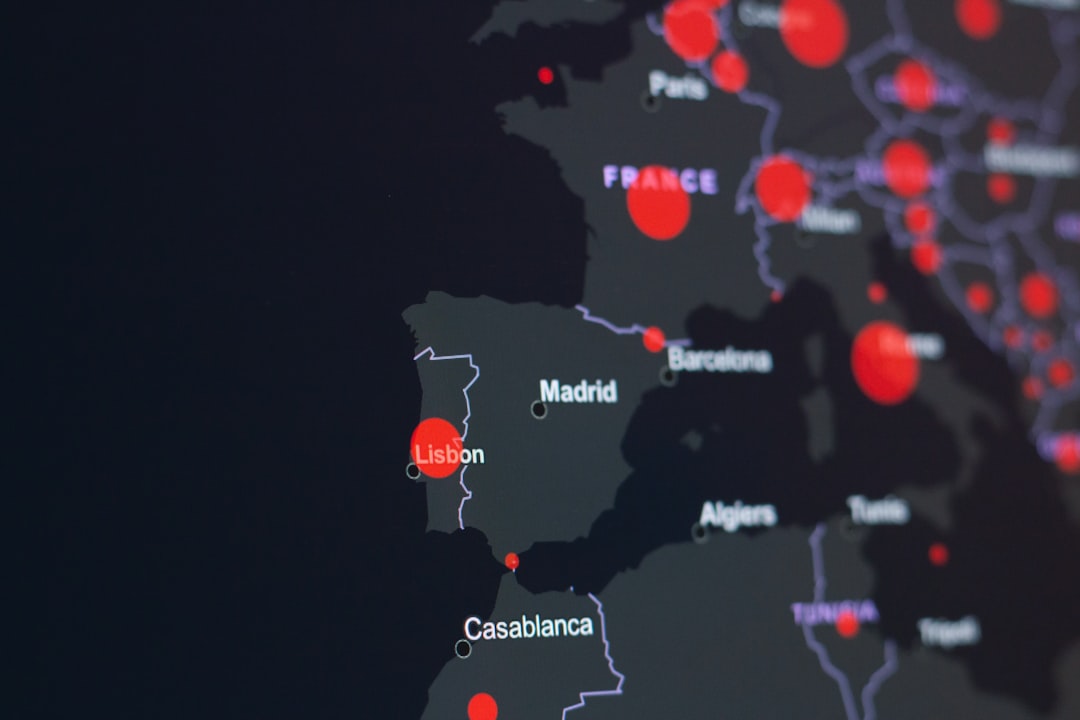
Some content is blocked by region. Some websites limit access based on country. Streaming platforms change libraries depending on location. News sites restrict articles. Even some online stores show different prices.
A proxy lets you choose a different virtual location.
Want to appear as if you are browsing from Germany? Use a German proxy. Need a U.S. IP to access a tool? Done. It takes minutes.
Common use cases in 2026:
- Accessing geo-restricted content.
- Testing websites from different countries.
- Checking localized pricing.
- Bypassing basic regional censorship.
Digital creators love proxies. They test how ads appear in other countries. Businesses monitor market trends globally. Developers check location-specific features.
Even regular users benefit.
Let’s say a streaming service releases a show one week earlier in another country. A proxy can help you access it if allowed by platform policies.
Or maybe you are traveling. Your banking site blocks foreign logins. Using a proxy from your home country can prevent account freezes.
That flexibility is freedom.
But be responsible. Always follow local laws and platform rules. A proxy is a tool. Use it wisely.
3. Boost Security and Performance
This is the hidden superpower of proxies.
Most people think proxies are only about privacy. Not true. They can also strengthen your security and even improve performance.
Security Benefits
In 2026, cyberattacks are more automated than ever. Bots scan millions of IP addresses daily. Small businesses are common targets.
Proxies help by:
- Masking internal network IP addresses.
- Filtering malicious traffic.
- Blocking known harmful sites.
- Reducing direct server exposure.
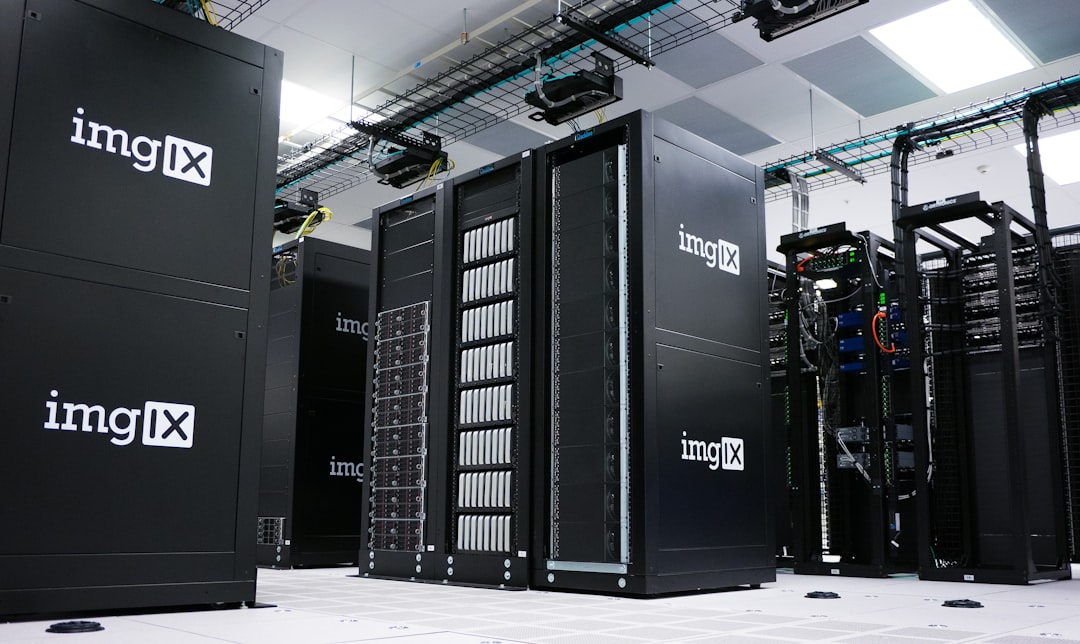
Companies often use reverse proxies. These sit in front of web servers. They absorb traffic. They filter attacks. They distribute load.
This makes systems harder to attack directly.
For individuals, certain proxy services include built-in filtering. They block dangerous domains before your browser even loads them.
That is like having a security guard at the door of your internet connection.
Performance Benefits
Yes. Proxies can also make things faster.
Some proxies cache data. That means they store copies of websites or resources. When you request the same site again, the proxy can deliver it faster.
This leads to:
- Reduced bandwidth usage.
- Faster load times for repeated visits.
- Better network efficiency in offices or schools.
In workplaces, proxies are often used to manage traffic. Streaming and gaming traffic can be limited. Work-related apps get priority.
This keeps networks stable.
In remote work environments, this matters a lot. Video calls. Cloud tools. Shared documents. Everything runs smoother with controlled traffic routing.
In short:
Proxies do not just hide you. They help organize your digital space.
Bonus: Proxies Are Easier Than Ever to Use
Back in the day, setting up a proxy felt technical. Complicated menus. Manual configurations. Confusing numbers.
Not anymore.
In 2026, many proxy services offer:
- One-click setup.
- Browser extensions.
- Mobile apps.
- Automatic server selection.
You do not need to be an IT expert.
Even smart home devices and IoT systems can be routed through proxy configurations. Gamers use proxies to protect IP addresses during competitive matches. Freelancers use them to manage multiple client accounts safely.
The barrier to entry is low.
The benefits are high.
Are Proxies the Same as VPNs?
Quick note. People often confuse proxies and VPNs.
They are similar. But not identical.
- A proxy usually works at the app or browser level.
- A VPN encrypts all traffic from your device.
Proxies are often faster. VPNs offer broader encryption.
Many advanced users combine both. They use a VPN for general security. And a proxy for specific tasks like web scraping, account management, or geo-testing.
You do not always need full-device encryption. Sometimes you just need IP flexibility. That is where proxies shine.
Who Should Use a Proxy in 2026?
Short answer?
Almost everyone.
But especially:
- Remote workers handling sensitive data.
- Digital marketers running campaigns in multiple countries.
- E-commerce sellers monitoring competitors.
- Gamers protecting against DDoS attacks.
- Privacy-conscious everyday users.
If you care about control, a proxy helps.
If you value flexibility, a proxy helps.
If you want to reduce exposure online, a proxy helps.
Final Thoughts
The internet is not getting simpler. It is getting more complex. More connected. More analyzed.
Standing still is not an option.
A proxy server is not flashy. It does not come with neon lights. But it quietly improves your online life.
It protects your identity.
It unlocks digital doors.
It strengthens security.
And in 2026, that combination is rare.
You lock your house at night. You use passwords on your accounts. Using a proxy is just another smart habit.
Small change. Big difference.
The web is powerful. Stay powerful with it.