In an era where digital privacy is increasingly threatened by cybercriminals, data brokers, and even internet service providers, individuals and businesses alike are searching for reliable ways to protect their online activity. Two of the most commonly discussed tools are VPNs (Virtual Private Networks) and proxy servers. While both can mask a user’s IP address and reroute traffic through remote servers, they differ significantly in how they function and the level of security they provide.
TLDR: Both VPNs and proxy servers hide a user’s IP address, but they differ in scope and security. A VPN encrypts all internet traffic on a device, offering comprehensive privacy and stronger protection from hackers and surveillance. Proxy servers usually work at the application level and typically do not encrypt data, making them less secure but often faster and simpler. For maximum data protection, a VPN is generally the better choice.
Understanding How Proxy Servers Work
A proxy server acts as an intermediary between a user’s device and the internet. When someone uses a proxy, their internet request first goes to the proxy server, which then forwards it to the desired website. The website sees the proxy’s IP address instead of the user’s real one.
This setup provides a basic layer of anonymity. However, many proxy servers do not encrypt data, which means that information transmitted between the user and the proxy can potentially be intercepted.
Types of Proxy Servers
- HTTP Proxies: Designed for web browsing and only work with web traffic.
- HTTPS Proxies: Provide limited encryption for web traffic.
- SOCKS Proxies: More versatile and can handle different types of traffic, including email and file transfers.
- Transparent Proxies: Often used by organizations or ISPs without users even knowing they are in place.
Proxies are commonly used for bypassing geo-restrictions, managing web scraping tasks, or controlling employee internet access within organizations. However, their security capabilities vary widely depending on configuration and provider.
How VPNs Protect Data
A Virtual Private Network (VPN) also routes internet traffic through a remote server, masking the user’s IP address. The key difference lies in encryption. VPNs encrypt all outgoing and incoming traffic from a device, creating a secure tunnel between the device and the VPN server.
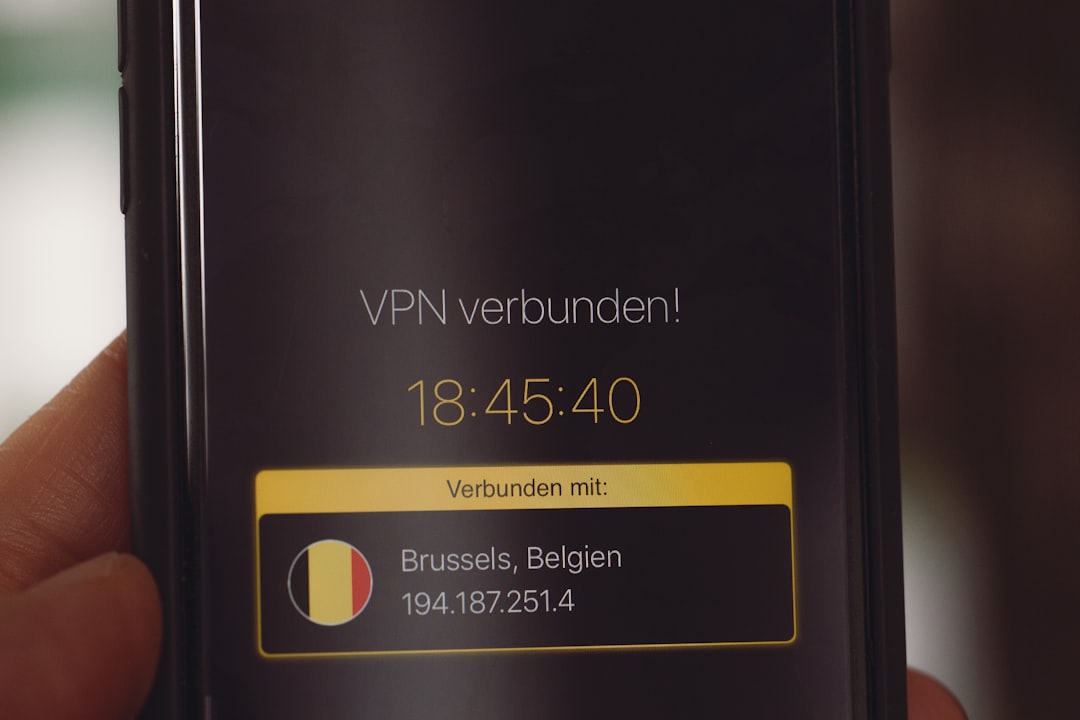
This encryption ensures that even if hackers intercept the data, they cannot read it. VPNs operate at the operating system level, meaning they secure all applications, including browsers, email clients, and cloud services.
Key Features of VPNs
- End-to-end encryption: Protects data from interception.
- IP masking: Replaces a user’s real IP with the VPN server’s IP.
- Secure tunneling protocols: Such as OpenVPN, WireGuard, and IKEv2.
- Kill switch: Disconnects internet access if the VPN connection drops.
- No-log policies (with reputable providers): Limits data retention.
VPNs are widely used by remote workers, travelers using public Wi-Fi, and individuals seeking privacy from ISPs and surveillance.
Core Differences Between VPNs and Proxy Servers
While both tools reroute traffic, the depth of protection they offer differs substantially. The following comparison chart highlights their key distinctions:
| Feature | VPN | Proxy Server |
|---|---|---|
| Encryption | Yes, full-device encryption | Usually no (except some HTTPS proxies) |
| Scope of Protection | All applications on device | Typically one application (e.g., browser) |
| IP Masking | Yes | Yes |
| Speed Impact | Slightly slower due to encryption | Often faster |
| Security Level | High | Low to moderate |
| Best Use Case | Privacy, security, public Wi-Fi protection | Geo-block bypassing, simple IP masking |
Security: Which One Truly Protects Data Better?
When evaluating data protection, encryption is the decisive factor. Without encryption, sensitive information such as passwords, credit card numbers, or business communications may be exposed during transmission.
Most standard proxy servers do not encrypt traffic. This leaves users vulnerable to:
- Man-in-the-middle attacks
- Packet sniffing on public Wi-Fi
- ISP traffic monitoring
- Session hijacking
VPNs, on the other hand, encrypt traffic before it leaves the device. Even if someone intercepts the data, it appears as unreadable code. This makes VPNs particularly valuable on unsecured networks like coffee shop Wi-Fi or airport hotspots.
In environments where compliance and confidentiality are critical—such as healthcare, finance, or remote corporate access—VPNs are generally considered the standard solution.
Performance and Speed Considerations
Encryption requires processing power. As a result, VPNs may slightly reduce connection speed, depending on server distance and protocol efficiency. However, modern protocols like WireGuard have significantly minimized this slowdown.
Proxies, lacking intensive encryption, can be faster. This makes them popular for tasks such as:
- Streaming region-locked content
- Automated data scraping
- Managing multiple social media accounts
However, speed gains come at the expense of strong security. Users must weigh convenience against protection.
Privacy Implications
Not all VPNs and proxies are created equal. Some free services monetize user data by logging browsing activity and selling insights to advertisers.

Key privacy considerations include:
- Logging policies: Does the provider keep records?
- Jurisdiction: Is the company based in a surveillance-heavy country?
- Transparency: Are third-party audits available?
- Reputation: Are there past data scandals?
While some private proxy services provide decent anonymity, they rarely match audited, no-log VPN providers in terms of comprehensive privacy assurance.
Use Case Scenarios
When a Proxy May Be Enough
- Accessing geo-restricted websites casually
- Bypassing simple IP bans
- Conducting non-sensitive automated tasks
When a VPN Is the Better Choice
- Using public Wi-Fi networks
- Handling financial transactions
- Working remotely with confidential data
- Avoiding ISP tracking
- Protecting VoIP or video calls
For individuals concerned primarily with online privacy and cybersecurity threats, a VPN offers broader protection.
Cost Comparison
Proxy servers are often cheaper, with many free options available. VPN services typically operate on subscription models, ranging from a few dollars per month to premium enterprise packages.
However, free proxies can introduce risks such as malware injection, intrusive advertising, and unreliable uptime. In cybersecurity, cost savings should not outweigh safety.
Final Verdict: VPN vs Proxy
When strictly examining data protection, VPNs clearly outperform most proxy servers. Their encryption, full-device coverage, and security features provide a significantly stronger shield against modern cyber threats.
Proxies remain useful tools for lightweight, non-sensitive tasks. But for users who value privacy, confidentiality, and secure communications, a reputable VPN service is generally the superior option.
FAQ
1. Is a VPN safer than a proxy server?
Yes. VPNs encrypt all internet traffic from a device, while most proxy servers do not encrypt data, making VPNs significantly safer.
2. Can a proxy hide a user’s IP address?
Yes. Both proxies and VPNs mask a user’s IP address, but only VPNs typically combine this with full encryption.
3. Are free VPNs better than free proxies?
Not necessarily. Some free VPNs log user activity. A reputable paid VPN is often more secure than both free VPNs and free proxies.
4. Do VPNs slow down internet speed?
They can slightly reduce speed due to encryption, but modern VPN protocols minimize the impact.
5. Can a VPN replace a proxy entirely?
For most security and privacy purposes, yes. However, specialized proxy configurations may be more suitable for specific business or automation tasks.
6. Which option is better for streaming?
Both can bypass geo-restrictions, but VPNs offer added security. Proxies may be faster but less secure.
7. Do businesses prefer VPNs over proxies?
Yes. Most enterprises use VPNs to secure remote access and protect sensitive corporate data.
Ultimately, the choice between a VPN and a proxy server depends on the user’s priority: convenience and speed, or comprehensive security and privacy. For those serious about protecting their data in today’s digital landscape, a VPN stands as the more robust solution.