In a world dominated by digital profiles and online networking, the humble business card remains one of the most powerful tools an entrepreneur or freelancer can carry. A well-designed card is more than just a piece of paper—it is a tangible representation of your brand, your professionalism, and your attention to detail. Whether you’re meeting potential clients at a conference, connecting at a local networking event, or closing a deal over coffee, having a compelling business card can leave a lasting impression that no LinkedIn request ever could.
TLDR: Business card makers give entrepreneurs and freelancers an affordable, practical way to create professional, brand-aligned cards without hiring a designer. From beginner-friendly drag-and-drop platforms to premium custom printing services, there’s a tool for every skill level and budget. The best choice depends on your branding needs, customization preferences, and turnaround time. A high-quality card is a small investment that can deliver big networking results.
Why Business Cards Still Matter
Despite the rise of digital communication, business cards remain relevant because they are personal, tactile, and immediate. Handing someone a physical card creates a brief but powerful interpersonal moment. Unlike a phone number typed into a device, a thoughtfully designed card reflects effort and intention.
For entrepreneurs and freelancers in particular, business cards offer distinct advantages:
- Credibility: A polished design signals legitimacy and professionalism.
- Memorability: Unique textures, finishes, or creative layouts help you stand out.
- Convenience: Easy-to-share information without relying on internet access.
- Brand reinforcement: Visual consistency builds recognition and trust.
If you are often your own sales team, marketing department, and brand manager rolled into one, an impactful business card works as a compact marketing asset.
What to Look for in a Business Card Maker
Not all business card makers offer the same advantages. Choosing the right platform depends on your goals, technical comfort, and budget.
Here are the key criteria to consider:
- Template Variety: Does it offer templates relevant to your industry?
- Customization: Can you adjust fonts, colors, layouts, and add logos easily?
- Print Quality: Are premium paper stocks and finishes available?
- Pricing Transparency: Are there hidden fees for downloads or shipping?
- Integration: Can designs align with your website and social media branding?
Top Business Card Makers for Entrepreneurs and Freelancers
Below are some of the most popular and reliable tools available today. Each caters to different needs—from complete beginners to branding-conscious professionals.
1. Canva
Best for: Beginners who want fast, attractive designs.
Canva’s drag-and-drop interface makes business card design accessible to virtually anyone. With thousands of templates and simple editing tools, you can customize colors, fonts, icons, and upload your logo in minutes.
Pros:
- Easy to use
- Large template library
- Affordable printing options
Cons:
- Limited advanced typography control
- Some design elements require a Pro subscription
2. Vistaprint
Best for: Entrepreneurs focused on professional printing quality.
Vistaprint is one of the most recognized names in business card printing. While its design customization tools are somewhat basic, the company excels in printing options like matte, glossy, embossed, foil-accented, and ultra-thick cards.
Pros:
- Extensive paper stocks and finishes
- Frequent discounts
- Reliable global shipping
Cons:
- Design flexibility is moderate
- Costs increase with premium upgrades
3. Moo
Best for: Premium branding and design-focused freelancers.
Moo is known for high-end paper quality and innovative features like “Printfinity,” which allows you to print different designs on each card in a single pack. This is especially powerful for freelancers showcasing portfolios.
Pros:
- Exceptional print quality
- Unique design flexibility
- Premium feel
Cons:
- Higher price point
- Limited free design features
4. Adobe Express
Best for: Creatives who want more design control without full Photoshop complexity.
Adobe Express bridges the gap between beginner and advanced design. It offers greater typography control and seamless integration with Adobe Creative Cloud.
Pros:
- Modern, high-quality templates
- Strong branding tools
- Integration with Adobe ecosystem
Cons:
- Learning curve slightly steeper than Canva
- Full feature access requires subscription
Comparison Chart
| Platform | Ease of Use | Design Flexibility | Print Quality | Price Range | Best For |
|---|---|---|---|---|---|
| Canva | Very Easy | Moderate | Good | Low to Moderate | Beginners |
| Vistaprint | Easy | Basic | Very Good | Low to High | Budget professional printing |
| Moo | Moderate | High | Excellent | Moderate to High | Premium branding |
| Adobe Express | Moderate | High | Good | Moderate | Creative freelancers |
Design Tips That Make a Difference
Even the best business card maker can’t compensate for poor design choices. Entrepreneurs and freelancers should approach business card creation strategically.
Keep It Clean
Avoid clutter. Stick to essential details:
- Name
- Title or specialization
- Phone number
- Email address
- Website
- Social handle (if relevant)
Use Brand Consistency
Your card should match your website, logo, and other marketing materials. Consistent color schemes and typography build brand recognition.
Choose Readable Fonts
Script fonts may look elegant but can compromise readability. Prioritize clarity over decoration.
Leverage the Back Side
Don’t waste half the real estate. Use the back for:
- A tagline
- A short value proposition
- A QR code leading to your portfolio
- A subtle design element that reinforces branding
Emerging Trends in Business Card Design
Business card design continues to evolve, reflecting shifts in branding and sustainability.
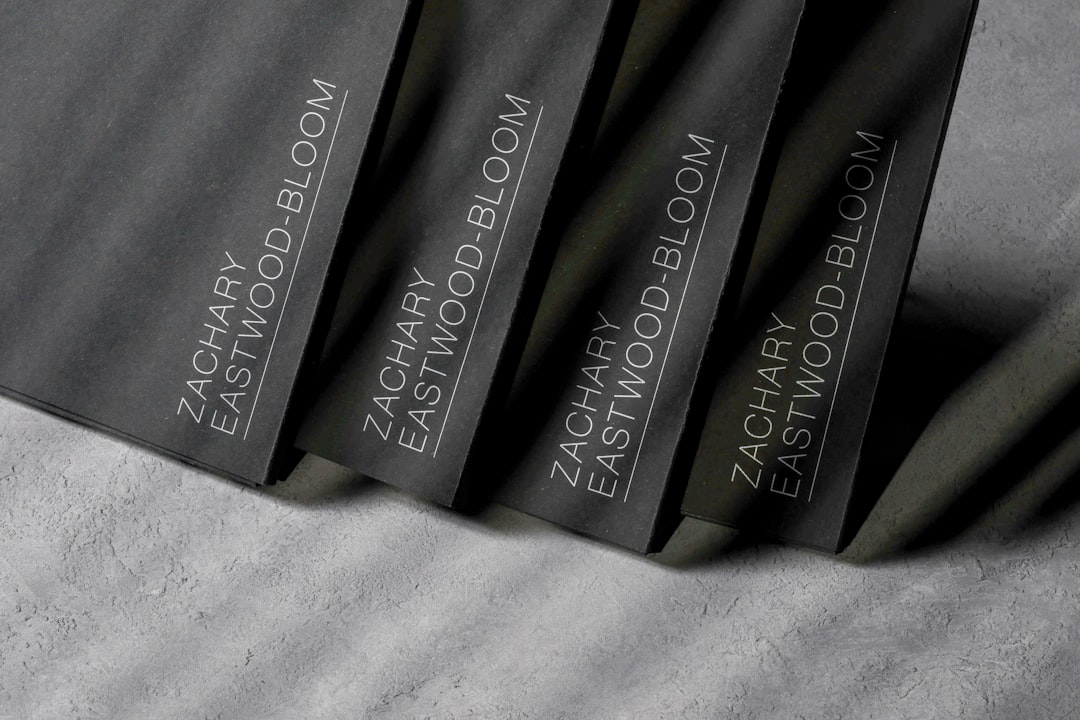
- Minimalist Aesthetics: Clean layouts with bold typography.
- Textured Finishes: Letterpress, embossing, and soft-touch coatings.
- Eco-Friendly Materials: Recycled paper and plantable seed cards.
- Digital Integration: QR codes linking to digital profiles or booking systems.
- Transparent or Plastic Cards: Unique materials that spark conversation.
For freelancers competing in crowded markets, these subtle touches can create powerful first impressions.
Balancing Budget and Quality
Entrepreneurs often operate within tight budgets. Fortunately, business card makers cater to various price ranges. A basic 100-card order from many platforms can cost less than a dinner out, yet the potential return on investment could be a new client worth thousands.
Consider starting with standard matte cards if you are testing branding. As your business grows, upgrading to thicker stock or specialty finishes can signal progression and stability.
Pro tip: Always order a small test batch before committing to large quantities, especially if experimenting with new designs.
Final Thoughts
Business card makers empower entrepreneurs and freelancers to take control of their branding without relying entirely on external designers. Whether you choose a simple solution like Canva or invest in premium printing from Moo, the key lies in aligning your card with your brand identity and target audience.
A business card may be small, but its impact can be substantial. In a freelance or entrepreneurial journey where every interaction matters, carrying a card that reflects your professionalism and personality is not just traditional—it is strategic. When thoughtfully designed and professionally printed, a business card becomes more than contact information; it becomes a compact ambassador for your business.