Quick Response (QR) codes have evolved from simple black-and-white squares into powerful gateways between the physical and digital worlds. What once seemed like a novelty is now a vital marketing and operational tool for businesses of every size. Modern QR code generators, especially those built specifically for businesses and digital campaigns, offer far more than basic code creation—they provide analytics, customization, integrations, and dynamic capabilities that transform how brands connect with customers.
TLDR: QR code generators designed for businesses go far beyond creating static codes. They provide analytics, dynamic editing, branding options, and campaign tracking tools that help companies measure performance and drive engagement. From retail and restaurants to enterprise marketing teams, these platforms turn physical touchpoints into measurable digital conversions. Choosing the right generator depends on your campaign goals, scalability needs, and integration requirements.
As consumer behavior increasingly blends offline and online experiences, businesses need flexible tools that bridge the gap. A well-designed QR code generator does exactly that—empowering marketing teams, retailers, event organizers, and enterprise brands to deploy, monitor, and optimize campaigns in real time.
Why Businesses Need More Than a Basic QR Code Generator
Free QR code generators may create functional codes, but they lack the advanced capabilities required for modern campaigns. Businesses today require:
- Dynamic QR Codes that allow content changes without reprinting materials.
- Advanced Analytics to measure scans, locations, devices, and conversion rates.
- Brand Customization for colors, logos, and designer-friendly layouts.
- Security Controls such as password protection and expiration dates.
- Integration Capabilities with CRM, marketing automation, and analytics platforms.
In traditional print advertising, measuring performance was often a guessing game. With business-grade QR code generators, every scan becomes traceable data. Campaign managers can calculate ROI, identify geographic hotspots, and refine messaging accordingly.
Dynamic vs. Static QR Codes: A Critical Difference
Understanding the difference between static and dynamic QR codes is essential. Static QR codes permanently embed information. Once printed, the destination URL or content cannot be changed. This may be sufficient for basic informational use but is limiting in campaigns.
Dynamic QR codes, however, redirect users through a short URL that can be edited at any time. If a campaign link changes, the QR code remains valid. Advanced platforms even allow A/B testing by switching landing pages without redesigning marketing collateral. This flexibility reduces reprint costs and provides critical agility in fast-moving campaigns.
Key Features of Business-Focused QR Code Platforms
1. Comprehensive Analytics and Reporting
Modern QR generators provide dashboards showing:
- Total and unique scans
- Time and date tracking
- Geographic data
- Device and operating system analytics
- Conversion funnel insights
These metrics allow marketing teams to refine strategies in near real time. For instance, if scans spike during evening hours, ad scheduling and promotions can be optimized accordingly.
2. Brand Customization and Design Flexibility
Visual consistency matters in branding. Today’s generators allow businesses to customize:
- QR color schemes
- Logo placement within the code
- Frame styles with call-to-action text
- Unique pattern designs
A customized QR code is not only visually aligned with a brand but can also increase scan rates by building trust and recognition.
3. Bulk Generation and Campaign Management
Large organizations often require hundreds or thousands of QR codes across product lines, store locations, or regional campaigns. Business-ready platforms support bulk creation through spreadsheets or API integrations, saving time and minimizing manual errors.
Campaign management features may include tagging, categorization, and team access controls. Enterprise-level solutions even provide role-based permissions to maintain governance and security.
4. API and Marketing Stack Integrations
Advanced QR code generators integrate seamlessly with:
- Email marketing tools
- CRM systems
- Google Analytics and tracking pixels
- Marketing automation platforms
- Zapier and workflow automation tools
This integration ensures that QR-driven interactions feed directly into customer databases, enabling leads to be nurtured effectively.
Use Cases Across Industries
Retail and E-commerce
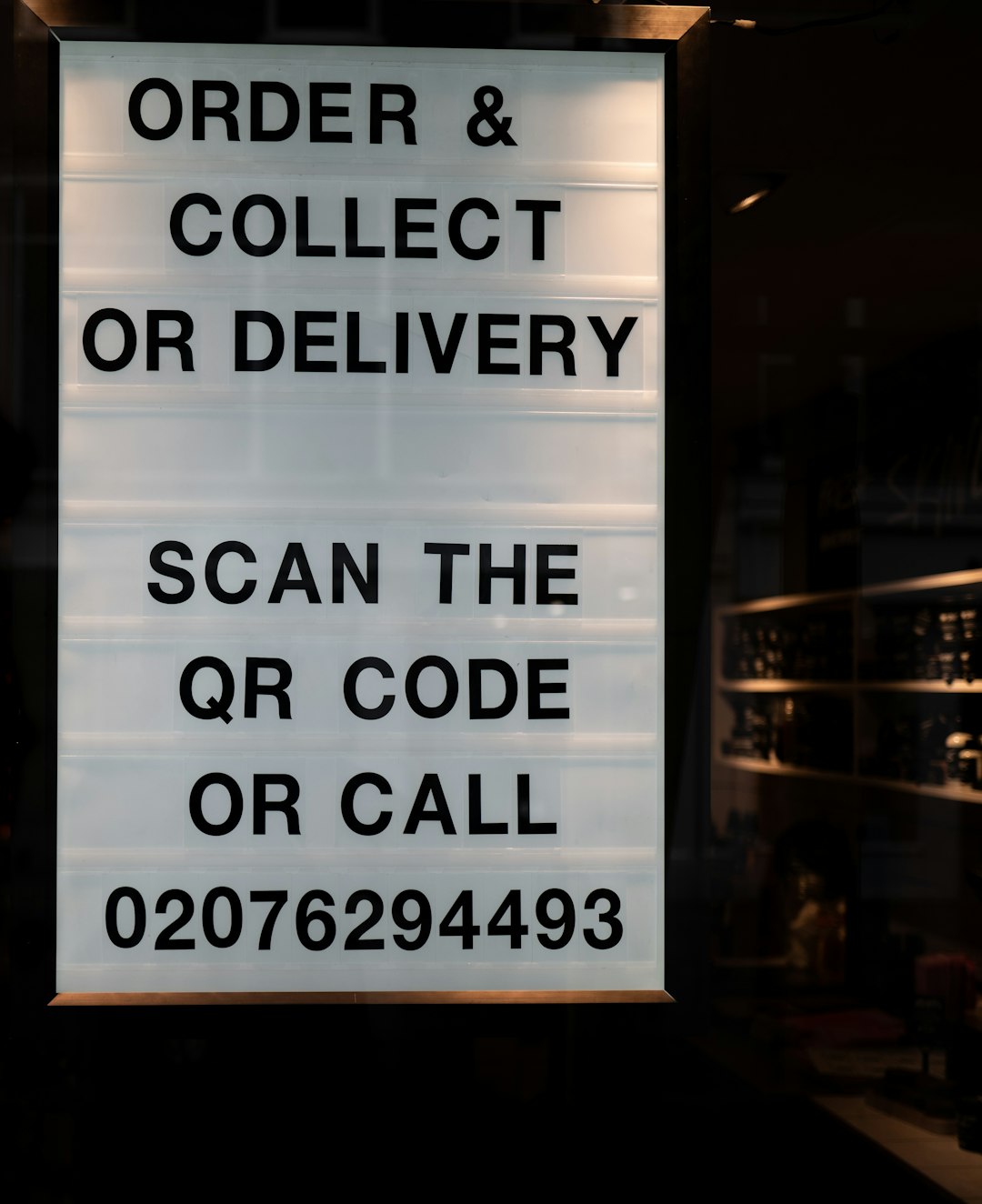
Retailers use QR codes to link shelf displays to product videos, offer digital coupons, or enable instant purchases. Dynamic QR codes help companies rotate promotions without changing in-store signage.
Restaurants and Hospitality
While QR code menus became mainstream out of necessity, businesses now use them strategically. Restaurants track customer behavior, promote loyalty programs, and collect feedback through integrated platforms.
Events and Conferences
Event organizers rely on QR codes for ticketing, attendee tracking, session check-ins, and information distribution. Post-event analytics help identify engagement peaks and popular sessions.
Real Estate
Property listings often feature QR codes on signage, allowing prospective buyers to view virtual tours instantly. Agents can track which properties generate the most interest based on scan data.
Healthcare and Education
Hospitals and universities use QR codes for appointment check-ins, campus navigation, health information distribution, and enrollment campaigns. Security and data protection become especially critical in these use cases.

Security and Compliance Considerations
For businesses, especially those handling sensitive data, security is paramount. Reliable QR code generators offer:
- Password-protected landing pages
- SSL-secured redirects
- Expiration settings
- GDPR-compliant tracking
- Two-factor authentication for accounts
These measures not only protect users but also shield businesses from compliance risks and reputational damage.
Enhancing Customer Experience Through Smart Campaign Design
A QR code is only as effective as the experience it leads to. Businesses should focus on delivering:
- Mobile-optimized landing pages
- Clear call-to-action messaging
- Fast loading speeds
- Value-driven incentives such as discounts or exclusive content
For instance, a retail poster that simply leads to a homepage may underperform compared to one directing users to a limited-time offer page tailored to mobile devices.
How to Choose the Right QR Code Generator for Your Business
With numerous platforms available, selecting the right one requires evaluating specific needs:
- Scale: Do you need a handful of codes or thousands?
- Customization: Is branding flexibility essential?
- Data Depth: How detailed should analytics reporting be?
- Integration: Must it sync with your CRM or automation tools?
- Budget: Are subscription plans aligned with expected ROI?
Small businesses may prioritize affordability and ease of use, while enterprise organizations often require API capabilities and advanced governance features.
The Future of QR Codes in Digital Campaigns
As augmented reality (AR), contactless interactions, and personalized marketing continue to expand, QR codes are expected to evolve further. Businesses are experimenting with:
- QR-triggered AR experiences
- Personalized dynamic codes linked to individual users
- Blockchain verification for product authenticity
- Integration with smart packaging and IoT devices
Moreover, as data analytics becomes more sophisticated, QR campaigns will likely integrate predictive modeling—anticipating user behavior and optimizing content automatically.
Conclusion
QR code generators purpose-built for businesses are no longer optional tools—they are strategic assets in digital transformation. By enabling dynamic control, measurable performance, brand alignment, and seamless integrations, these platforms empower companies to create interactive, data-driven campaigns that bridge physical and digital touchpoints.
In a landscape where attention is fragmented and competition fierce, the ability to convert a scan into actionable insight is invaluable. Businesses that leverage advanced QR code generators position themselves not just to engage audiences, but to understand and grow them with precision.
Ultimately, the humble square of pixels has become a sophisticated marketing engine—one scan at a time.