
The smartphone has dominated personal technology for nearly two decades, reshaping how people communicate, work, shop, and entertain themselves. Yet some of the world’s largest technology companies are actively preparing for a future where the smartphone is no longer the central hub of digital life. From wearable augmented reality devices to artificial intelligence assistants embedded in everyday environments, tech giants are envisioning a more ambient, interconnected ecosystem that reduces dependence on handheld screens.
TLDR: Major technology companies are investing heavily in devices and platforms designed to move beyond the smartphone era. Innovations in augmented reality, wearable computing, artificial intelligence, and spatial computing suggest a future where digital experiences are immersive and seamlessly integrated into daily life. Rather than relying on rectangular screens in pockets, users may interact with information through glasses, voice assistants, and even neural interfaces. While smartphones won’t disappear overnight, their dominance may gradually fade as new ecosystems emerge.
The Limits of the Smartphone Era
Smartphones revolutionized personal computing by combining communication, internet access, and multimedia into one compact device. However, industry leaders increasingly acknowledge their limitations. Small screens constrain immersive experiences, battery technology remains restrictive, and constant notifications contribute to digital fatigue.
Moreover, innovation in smartphone hardware has plateaued. Annual upgrades now offer incremental improvements—slightly better cameras, faster processors, and refined displays—rather than transformative change. As a result, major technology companies are turning their attention toward post-smartphone platforms that could unlock new forms of engagement.
Several key challenges are driving this shift:
- Screen fatigue: Excessive screen time impacts well-being and productivity.
- Physical limitations: Handheld devices occupy hands and divide attention.
- Innovation slowdown: Hardware upgrades offer diminishing returns.
- Context gaps: Smartphones are reactive rather than seamlessly adaptive.
Augmented Reality Glasses: A Leading Contender
One of the most talked-about successors to smartphones is augmented reality (AR) glasses. Companies such as Apple, Meta, and Google are investing billions in wearable displays that overlay digital information onto the physical world.

Unlike smartphones, AR glasses promise hands-free interaction. Directions could appear directly on streets, real-time translation could float beside foreign text, and notifications could subtly enter a user’s field of view.
This shift represents a move toward spatial computing—where digital information exists within physical space rather than behind a flat screen. Early versions remain bulky or expensive, but rapid advancements in microdisplays, sensors, and battery efficiency are accelerating development.
Potential advantages include:
- Natural interaction through eye tracking and gestures
- Context-aware information delivery
- Reduced need to check handheld devices
- Enhanced navigation, productivity, and gaming experiences
However, privacy concerns loom large. Constant cameras and environmental scanning could reshape debates around surveillance and personal data.
Artificial Intelligence as the New Interface
Another transformative element in the post-smartphone future is artificial intelligence. Rather than tapping apps manually, users may interact with intelligent assistants that anticipate needs and execute complex tasks conversationally.
Companies are embedding AI deeply into their ecosystems. Voice assistants are evolving into proactive digital agents capable of booking travel, composing documents, filtering communications, and even negotiating appointments autonomously.
This AI-centric model signals a shift from app-based interaction to intent-based computing. Instead of opening multiple apps, users simply express goals. The AI coordinates behind the scenes.
In such a world, the device itself becomes less important than the intelligence powering it. The smartphone may function as one access point among many, rather than the central command center.
Wearables and Ambient Computing
Wearable devices—smartwatches, earbuds, health trackers—already reduce reliance on smartphones for simple tasks. Checking messages on a wrist or listening to AI-driven updates through earbuds hints at a broader evolution toward ambient computing.
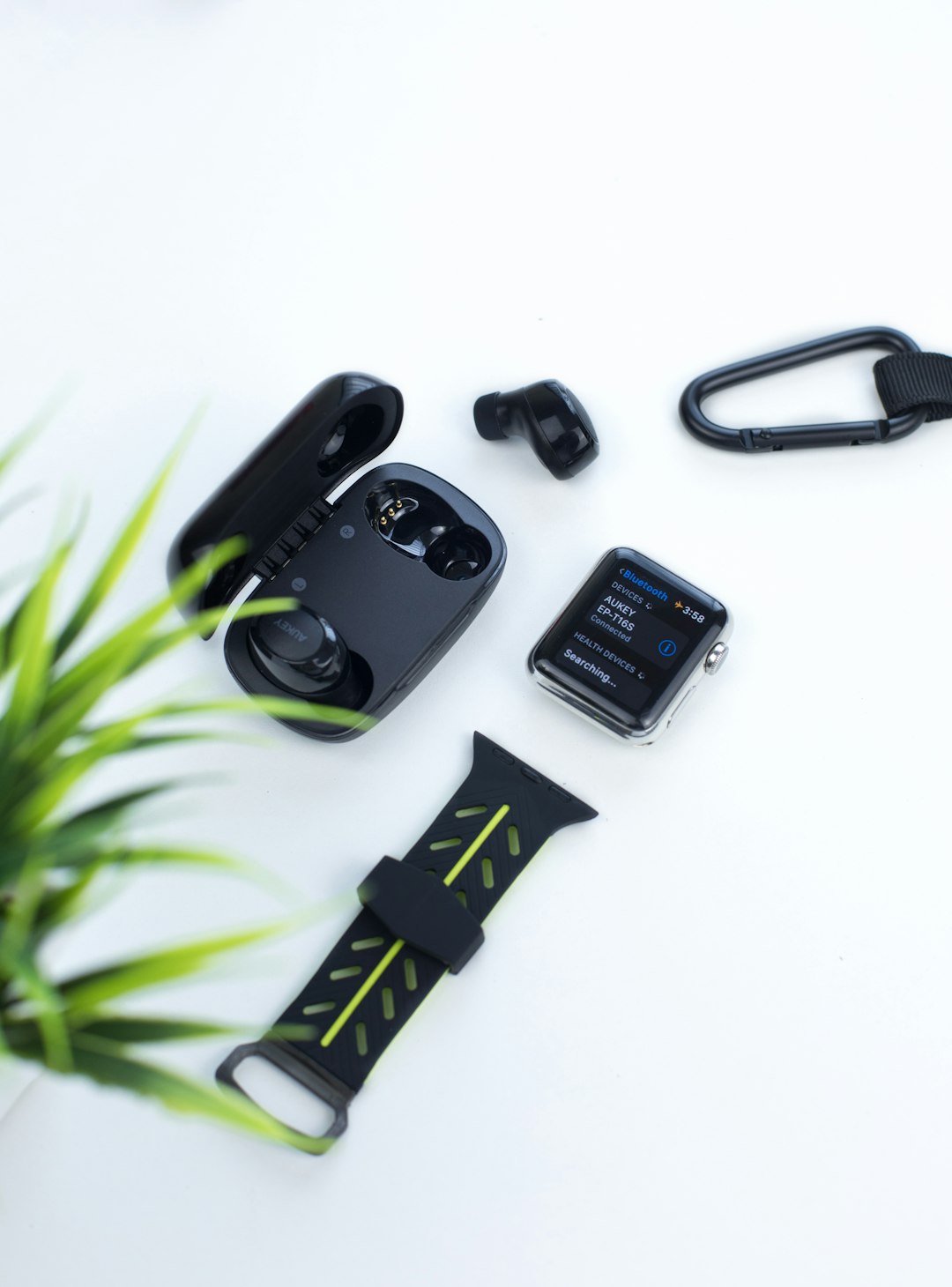
Ambient computing refers to technology that blends into the environment, operating seamlessly in the background. Smart homes equipped with voice assistants, connected appliances, and intelligent sensors illustrate this vision. Rather than pulling out a device, users interact naturally with their surroundings.
Technology leaders foresee homes, cars, and offices operating as connected ecosystems. Vehicles may become entertainment hubs and productivity spaces powered by cloud AI. Appliances could predict maintenance needs. Lighting and climate systems may adapt automatically to user behavior.
In this environment, the smartphone becomes just one node in a broader digital network.
Mixed Reality Headsets and Spatial Platforms
Beyond lightweight glasses, some companies are betting on fully immersive mixed reality (MR) headsets. These devices merge virtual and physical environments, enabling virtual workspaces, entertainment experiences, and collaborative digital environments.
Image not found in postmetaSpatial computing platforms could eventually replace traditional desktop monitors and even televisions. A single headset might generate multiple virtual screens, interactive 3D models, or collaborative meeting spaces.
Current obstacles include cost, comfort, content availability, and social acceptance. Yet the rapid pace of development suggests that headsets may shrink and become more practical within a decade.
Brain-Computer Interfaces and Experimental Frontiers
Some technology pioneers are exploring even more radical possibilities, such as brain-computer interfaces (BCIs). These systems aim to translate neural signals into digital commands, potentially enabling users to interact with devices through thought alone.
While still experimental, BCIs highlight the long-term ambition of reducing physical friction between humans and machines. Though widespread consumer adoption remains uncertain, research investments reflect a belief that the post-smartphone era may involve entirely new forms of interaction.
Comparing Emerging Post-Smartphone Technologies
| Technology | Primary Function | Advantages | Challenges |
|---|---|---|---|
| AR Glasses | Overlay digital content onto real world | Hands-free, contextual information | Privacy concerns, battery life |
| AI Assistants | Intent-based digital task management | Efficiency, automation, personalization | Data security, reliability |
| Wearables | Health, notifications, ambient interaction | Convenience, continuous monitoring | Limited input/output capability |
| Mixed Reality Headsets | Immersive virtual environments | Expanded workspace, immersive media | Cost, bulkiness |
| Brain-Computer Interfaces | Neural interaction with devices | Direct input, accessibility potential | Ethical, medical, technical hurdles |
Economic and Social Implications
The transition beyond smartphones will not only reshape hardware but also business models. App stores may give way to AI service marketplaces. Advertising strategies could shift from screen-based impressions to contextual experiences delivered through wearable displays.
Developers will need to rethink user interfaces for spatial and voice-based interactions. Content creators may design three-dimensional experiences rather than flat visuals. Meanwhile, regulators will face new challenges concerning privacy, biometric tracking, and algorithmic decision-making.
Consumers may benefit from more intuitive technology, but adoption will depend on trust. Transparency in data use and strong security protocols will be essential to ensure widespread acceptance.
A Gradual Evolution, Not an Overnight Replacement
Despite bold predictions, smartphones are unlikely to vanish soon. Instead, the transition is expected to be gradual. Just as smartphones absorbed cameras, GPS devices, and MP3 players, they may coexist with new platforms for years.
Tech giants appear to be positioning themselves for a multi-device ecosystem, where the smartphone is one part of a broader, interconnected experience. Over time, its central importance may diminish as more intuitive interfaces take precedence.
The future beyond smartphones is not about eliminating them entirely, but about redefining how humans engage with digital technology.
Frequently Asked Questions (FAQ)
1. Will smartphones disappear completely?
Unlikely. Smartphones will probably remain relevant for many years but may become less central as new devices take on primary interaction roles.
2. What technology is most likely to replace smartphones?
Augmented reality glasses and AI-driven assistants are currently leading contenders, though widespread adoption depends on cost, comfort, and privacy solutions.
3. Are AR glasses safe for privacy?
They raise significant privacy concerns due to built-in cameras and sensors. Regulations and transparent data policies will play a crucial role in addressing these issues.
4. How soon could this shift happen?
Experts suggest meaningful change could occur within the next 5–10 years, but full transformation may take longer depending on consumer acceptance and infrastructure development.
5. What role will artificial intelligence play?
AI will likely become the primary interface layer, enabling users to interact through conversation and intent rather than manual app navigation.
6. Will these new technologies be affordable?
Initially, many post-smartphone devices will be expensive. Over time, mass production and competition are expected to lower costs, similar to the smartphone adoption curve.
As technology companies continue to innovate at the intersection of hardware, software, and artificial intelligence, the post-smartphone future is moving from speculation to strategy. Whether through glasses, headsets, wearables, or ambient AI, the next era of computing may finally liberate users from the small glowing rectangles that have defined the digital age.