Creating memorable custom characters in TPRR OC Creator is no longer just a hobbyist activity—it has become a serious creative outlet for storytellers, roleplayers, and designers who want to stand out in 2026. As the platform continues to evolve with expanded customization tools and higher community standards, the difference between an average character and an exceptional one often comes down to how effectively you use the features available. Whether you are designing for roleplay, animation, or personal storytelling, mastering the fundamentals of the OC Creator can dramatically improve the quality and impact of your work.
TLDR: To make better custom characters in TPRR OC Creator, focus on starting with a strong concept, mastering layering tools, choosing colors strategically, and leveraging advanced detail options. Use accessories intentionally, refine proportions, and test your character in different environments. Small adjustments in pose, lighting, and storytelling context can elevate an ordinary OC into a polished, professional-looking creation. Consistency and deliberate design choices are key.
1. Start With a Clear Character Concept
The most common mistake creators make is opening TPRR OC Creator and immediately experimenting without a plan. While spontaneity can lead to creativity, strong characters typically begin with a defined concept.
Before touching any sliders or color palettes, ask yourself:
- What is this character’s personality?
- What role do they play in your story or roleplay?
- Are they heroic, mysterious, comedic, or intimidating?
- What visual traits reflect those qualities?
Write down a short description of your character in one or two sentences. This becomes your design anchor. Every accessory, color choice, and facial expression should reinforce that concept.
Professional creators treat character building like visual storytelling. Without a narrative foundation, even technically impressive designs can feel hollow.
2. Master the Layering and Depth System
One of the most powerful features in TPRR OC Creator is its expanded layering system. In 2026, improved accessory stacking and positional adjustments allow creators to design more intricate characters than ever before.
Instead of treating each element as separate, think in terms of depth:
- Base layer: body, primary clothing
- Mid layer: jackets, armor, belts, straps
- Top layer: accessories, decals, effects
Tip: Use subtle offset positioning to create natural depth. Slightly adjusting scale and position prevents flat, “sticker-like” appearances.
Advanced users often combine smaller accessories to simulate custom pieces. For example, merging shapes to create unique shoulder armor or layered fabrics adds originality that pre-made presets cannot achieve.
3. Use Color Theory Intentionally
Color is one of the most powerful tools in visual design. Poor color selection is immediately noticeable, even if everything else is well designed.
Follow these professional guidelines:
- Stick to 2–4 dominant colors. Too many colors create visual chaos.
- Use contrast strategically. Dark outfit + bright accent draws attention.
- Match tone to personality. Muted tones feel serious; saturated colors feel playful.
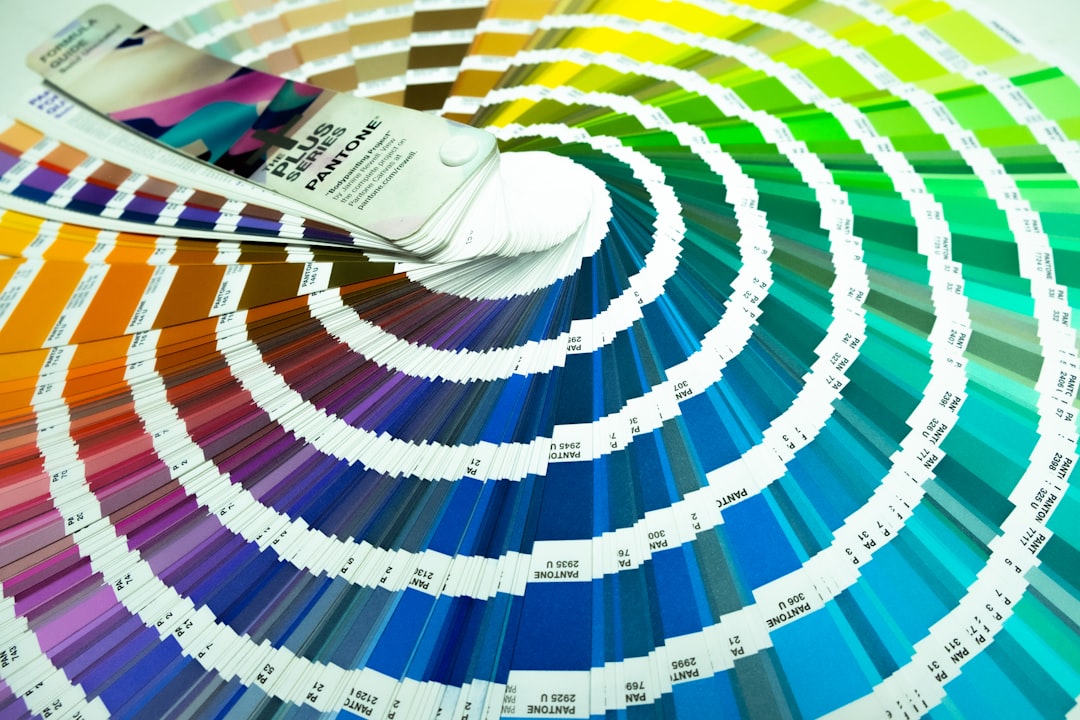
A helpful approach is the 60-30-10 principle:
- 60% main color
- 30% secondary color
- 10% accent color
This creates visual balance that feels polished and intentional.
Also consider environmental contrast. If your character frequently appears in dark settings, bright highlights or glowing details can help them stand out.
4. Refine Proportions and Silhouette
Great characters are recognizable even in silhouette. This is a design principle widely used in animation and gaming—and it applies perfectly to TPRR OC Creator.
Zoom out and squint at your design. Can you identify your character just by shape?
To improve silhouette:
- Vary shoulder width or height where possible
- Use asymmetry (one large accessory, one smaller)
- Avoid making both sides identical unless intentional
Asymmetry creates visual interest. A single shoulder pad, uneven cape, or offset accessory often looks more dynamic than mirrored design.
Proportion adjustments also affect perceived personality. Larger upper body proportions can imply strength. Slim builds feel agile. Balanced proportions feel neutral and calm.
5. Avoid Accessory Overload
Because the OC Creator offers so many options, it is tempting to use everything. However, more does not equal better.
Ask yourself a critical question: Does this accessory support my concept?
If the answer is no, remove it.
Professional-looking characters often have fewer elements—but each one has meaning. For example:
- A cracked mask suggests mystery or trauma
- A glowing pendant suggests power source
- A worn cape suggests history and battle experience
Random additions dilute impact. Instead of stacking unrelated items, focus on cohesive detailing.
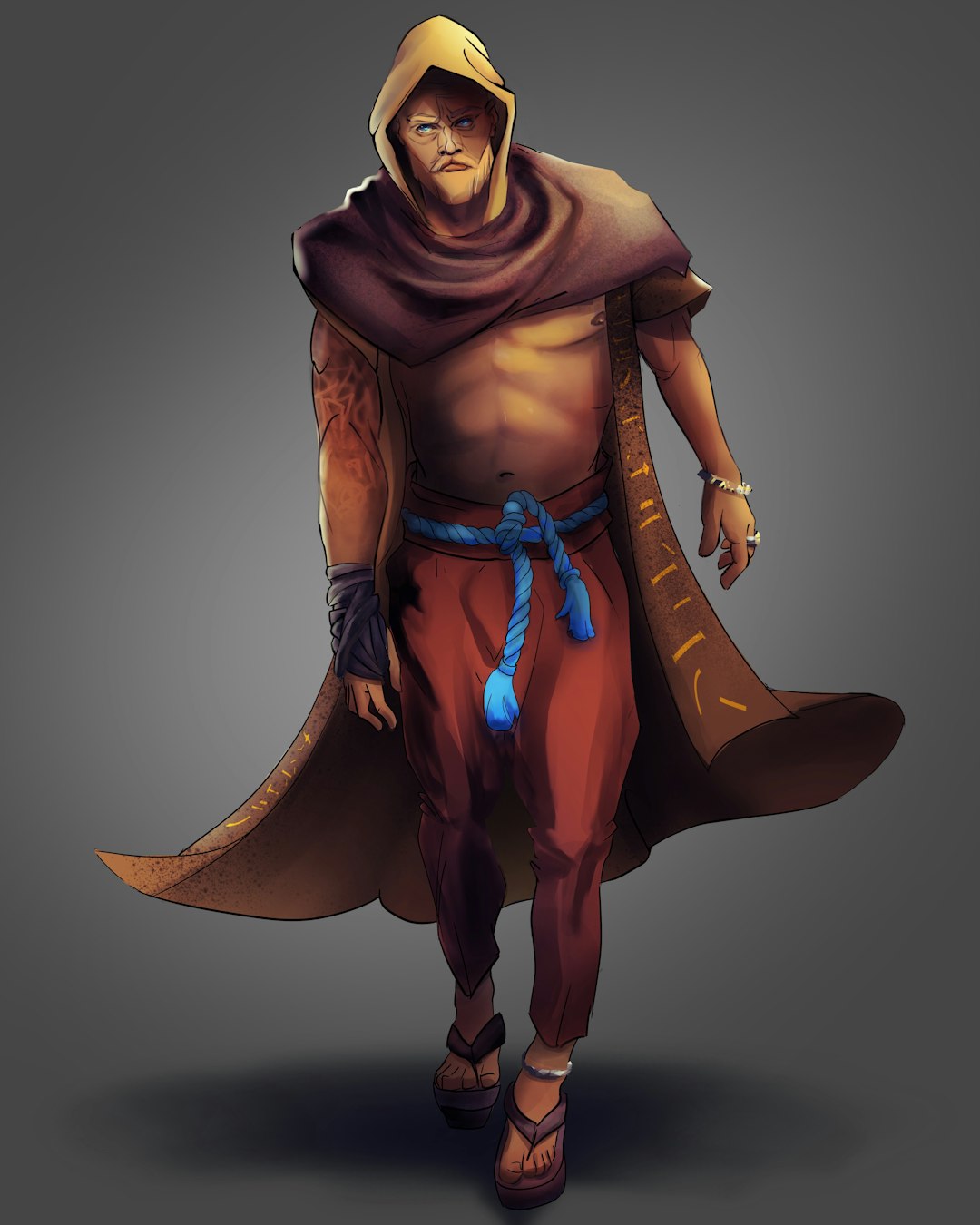
A useful technique is the “one statement piece” rule. Identify a primary visual focal point and design around it. This creates hierarchy and visual clarity.
6. Use Advanced Pose and Expression Features
In 2026, pose adjustments and expression controls in TPRR OC Creator are more refined than ever. Many creators overlook this step, exporting characters in neutral stance, which reduces emotional impact.
Expression and posture influence perception dramatically:
- Slight head tilt = curiosity or friendliness
- Lowered brows = intensity or anger
- Relaxed shoulders = calm confidence
- Forward lean = aggression or urgency
Rather than choosing extreme expressions, subtle adjustments often look more natural and cinematic.
When taking screenshots or showcasing your OC:
- Test different lighting angles
- Experiment with background contrast
- Adjust camera height slightly below eye level for power effect
These refinements elevate your character from “custom avatar” to “digital character design.”
7. Test Your Character in Context
A character may look perfect in the editor but feel underwhelming in gameplay or roleplay environments. Always test your OC in context.
Consider:
- Does the design hold up in motion?
- Do colors shift under different lighting?
- Do details remain visible at distance?
Movement testing is especially important. Long coats may clip. Small details may disappear. Effects may overpower the design.
Serious creators often go through multiple iterations. Refinement is not a sign of failure—it is part of professional design workflow.
Bonus: Develop a Consistent Personal Style
While trends change yearly, recognizable creators build a consistent style. This does not mean every character looks identical, but there is a unifying design philosophy.
Your style may lean toward:
- Minimalist and sleek
- Highly detailed and ornamental
- Dark and atmospheric
- Bright and animated
Over time, study your own work. Identify patterns in color, structure, and themes. Refine them deliberately. Consistency builds recognition within the TPRR community.
Common Mistakes to Avoid in 2026
As standards have risen, certain mistakes stand out more clearly:
- Overuse of glowing effects
- Clashing neon colors without balance
- Ignoring silhouette shape
- Random themed mixing (cyber + medieval + horror without cohesion)
- Default pose presentations
Being aware of these pitfalls automatically improves your work.
Final Thoughts
Creating better custom characters in TPRR OC Creator is not about unlocking secret items or exploiting hidden tools. It is about disciplined design thinking. Concept clarity, color control, accessory restraint, and contextual testing separate amateur creations from polished ones.
Take your time. Iterate. Remove elements that do not serve your idea. Focus on telling a story visually.
In 2026, the technical tools are powerful enough that almost anyone can build a complex character. What sets great creators apart is intention. When every design choice has purpose, your OC will not just look good—it will feel real, cohesive, and memorable.