
In today’s hyper-connected world, knowing where people, vehicles, and assets are at any given moment is more valuable than ever. GPS tracking software, once limited to niche logistics operations, has evolved into a powerful, versatile tool used across industries. From improving fleet efficiency to enhancing personal and corporate security, GPS solutions now play a critical role in daily operations for businesses and organizations worldwide.
TLDR: GPS tracking software has grown far beyond simple location monitoring. It now powers smarter logistics, boosts employee and asset safety, reduces operational costs, and strengthens security across multiple sectors. By delivering real-time visibility and actionable insights, GPS solutions help businesses improve efficiency while protecting people and property. Whether for fleet management or personal safety, GPS technology offers measurable benefits.
Below are seven powerful uses of GPS tracking software—showing how this technology transforms both logistics and security.
1. Fleet Management and Optimization
The most well-known application of GPS tracking software is fleet management. Companies that operate delivery vans, trucks, taxis, or service vehicles rely on GPS to gain complete visibility over their mobile workforce.
With real-time data, businesses can:
- Monitor vehicle locations instantly
- Optimize routes to reduce fuel consumption
- Prevent unauthorized vehicle use
- Track driver behavior such as speeding or harsh braking
This level of oversight helps reduce operational costs while increasing customer satisfaction through accurate delivery estimates. Fleet managers can quickly respond to delays, road closures, or vehicle breakdowns, ensuring smooth operations.
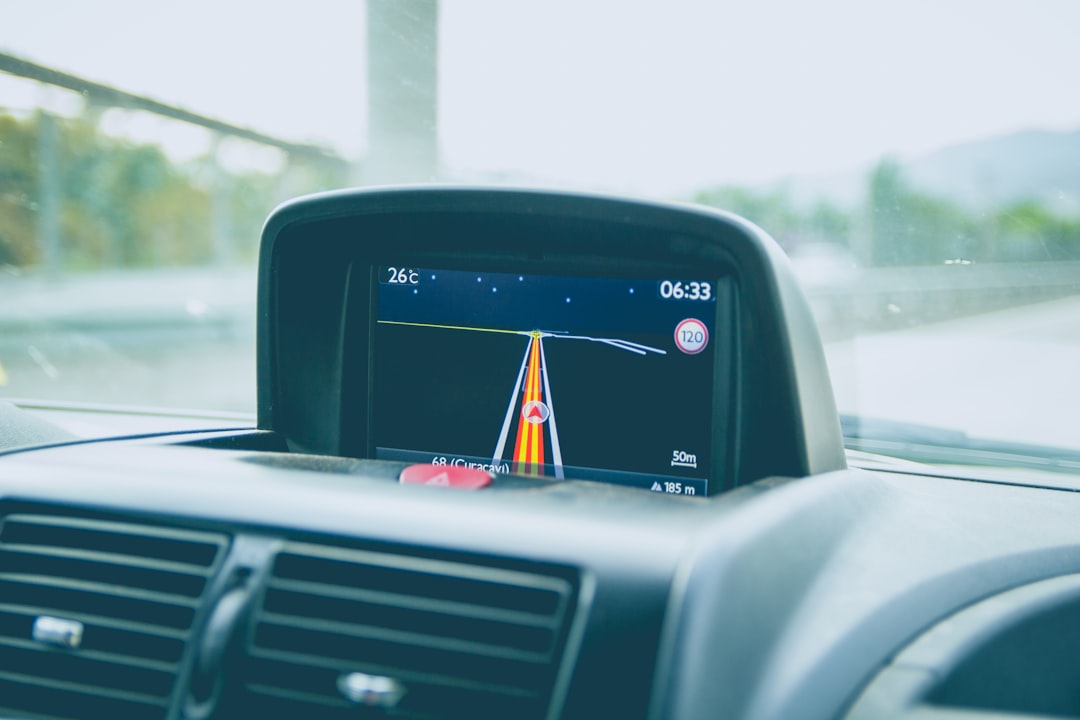
Perhaps most importantly, GPS data transforms guesswork into strategy. Historical route analysis allows companies to identify inefficiencies and continuously improve performance.
2. Asset Tracking and Loss Prevention
Beyond vehicles, GPS tracking software is widely used to monitor high-value assets. Construction equipment, shipping containers, heavy machinery, and even rental equipment can be tracked in real time.
Asset tracking delivers several key advantages:
- Theft deterrence through live monitoring and geofencing alerts
- Inventory transparency across multiple job sites
- Faster recovery if equipment is stolen
- Improved utilization tracking
Geofencing is particularly powerful. Companies can create digital boundaries, and if an asset moves outside a designated area, the system alerts managers immediately. This proactive security measure drastically reduces losses.
For industries where equipment costs range into the tens or hundreds of thousands of dollars, even preventing a single theft can justify the entire investment in GPS software.
3. Employee Safety and Lone Worker Protection
For organizations with field employees—such as utility workers, healthcare providers, or construction crews—GPS tracking significantly enhances safety.
Lone workers operating in isolated or hazardous environments are particularly vulnerable. GPS-enabled systems can:
- Provide real-time location tracking
- Offer panic buttons for emergency alerts
- Enable automatic distress signals in case of accidents
- Document routes and job site visits
In the event of an emergency, response teams can locate personnel quickly and accurately. This capability can mean the difference between a minor incident and a catastrophic outcome.

Additionally, GPS records provide accountability and transparency, protecting both employees and employers in case of disputes or safety investigations.
4. Enhanced Personal and Family Safety
GPS tracking isn’t limited to corporations. Families increasingly use GPS-enabled apps and devices for personal security and peace of mind.
Popular use cases include:
- Tracking teenage drivers for safe driving habits
- Locating elderly family members who may wander
- Monitoring children’s travel routes to school
- Emergency location sharing during travel
Parents can receive alerts if their child leaves a predefined safe zone. Caregivers of elderly individuals with cognitive conditions can be notified immediately if a loved one moves beyond designated boundaries.
While privacy concerns must be balanced carefully, when deployed responsibly, GPS tracking adds a meaningful layer of safety for vulnerable individuals.
5. Law Enforcement and Criminal Investigation
Security agencies and law enforcement also rely heavily on GPS tracking software. In this context, the technology supports both crime prevention and investigative work.
Applications include:
- Monitoring suspects under legal supervision
- Tracking stolen vehicles
- Coordinating patrol units efficiently
- Reconstructing movement patterns during investigations
GPS ankle monitors, for example, are widely used in court-supervised release programs. These devices can enforce geographic restrictions and alert authorities if someone violates boundaries.
In stolen vehicle cases, real-time GPS signals dramatically increase recovery rates. Modern tracking tools allow law enforcement to approach situations strategically rather than relying solely on eyewitness reports.
Ultimately, GPS has become an essential component of modern policing frameworks.
6. Supply Chain Visibility and Cold Chain Monitoring
Global supply chains are more complex than ever. GPS tracking software plays a central role in ensuring goods move efficiently from suppliers to customers.
For logistics companies, GPS enables:
- Real-time shipment tracking
- Estimated arrival updates
- Delay identification
- Temperature monitoring for sensitive goods
Cold chain logistics—used for pharmaceuticals and perishable foods—benefits enormously from GPS-integrated environmental sensors. Companies can detect deviations in temperature, humidity, or route conditions immediately and intervene before shipments spoil.
Image not found in postmetaThis transparency reduces waste, protects public health, and strengthens relationships with customers who expect accurate delivery timelines. Businesses that offer end-to-end visibility stand out in competitive markets.
7. Disaster Management and Emergency Coordination
In times of crisis, GPS tracking becomes a life-saving tool. During natural disasters, search and rescue teams rely on real-time location data to coordinate relief efforts effectively.
GPS tracking software supports:
- Emergency vehicle dispatching
- Evacuation route planning
- Tracking relief supplies
- Locating stranded individuals via emergency signals
When infrastructure is compromised, centralized visibility helps authorities prioritize areas in greatest need. For example, GPS-enabled drones can map flood zones, and rescuer movements can be tracked to avoid duplication or dangerous overlaps.
Organizations involved in humanitarian work often integrate GPS with satellite communication systems to maintain coordination even in remote or disaster-affected areas.
The result is faster response times and more organized relief operations—both of which save lives.
The Strategic Advantage of GPS Tracking Software
Across all seven use cases, one pattern is clear: visibility drives better decisions. Whether managing deliveries or protecting vulnerable individuals, GPS tracking replaces uncertainty with actionable intelligence.
Modern GPS platforms offer far more than simple map dots. Advanced systems now include:
- Analytics dashboards for performance insights
- Automated alerts for rule violations
- Integration with other business systems
- Mobile apps for on-the-go monitoring
Cloud-based infrastructure makes data accessible from anywhere, while improved device hardware ensures greater accuracy and reliability than ever before.
Balancing Efficiency and Privacy
While GPS tracking provides undeniable benefits, it’s essential to address privacy and ethical considerations. Transparent policies, proper consent, and secure data storage are critical components of responsible deployment.
Businesses must:
- Clearly communicate tracking policies to employees
- Collect only necessary data
- Secure data against breaches
- Comply with local regulations
When implemented thoughtfully, GPS systems build trust rather than undermine it. The goal should always be safety, efficiency, and accountability—not surveillance for its own sake.
Conclusion
GPS tracking software has evolved from a niche fleet tool into a multifaceted powerhouse spanning logistics, personal safety, asset protection, and law enforcement. Its ability to deliver real-time insights empowers organizations to operate more efficiently while maintaining higher security standards.
From coordinating disaster response teams to ensuring a delivery arrives on time, GPS technology quietly shapes our everyday world. As the technology continues to advance—incorporating artificial intelligence, predictive analytics, and smarter sensors—its influence will only grow.
Ultimately, GPS tracking is no longer just about knowing where something is. It’s about transforming location data into stronger decisions, safer operations, and smarter strategies across industries.