
In an era where digital publishing, academic integrity, and online content marketing intersect, originality has become a non-negotiable standard. Whether you are a university student, journalist, researcher, blogger, or corporate professional, protecting your work from plagiarism—or ensuring that it is genuinely unique—is critical. Plagiarism checker platforms like Grammarly and similar services have evolved into sophisticated tools that help individuals and organizations verify authenticity, improve citation practices, and maintain professional credibility.
TLDR: Plagiarism checker platforms like Grammarly help writers verify originality by scanning text against vast databases of web pages, academic papers, and publications. These tools are essential for students, educators, marketers, and businesses seeking to maintain credibility and avoid legal or reputational damage. Modern platforms combine artificial intelligence with large data repositories to detect matching content, improper citations, and structural similarities. Choosing the right platform depends on accuracy, database size, reporting features, privacy standards, and integration capabilities.
Understanding Plagiarism in the Digital Age
Plagiarism is no longer limited to copying paragraphs from books. Today, it includes:
- Direct plagiarism – Copying text verbatim without attribution.
- Self-plagiarism – Reusing previously published work without acknowledgment.
- Mosaic plagiarism – Rephrasing content while maintaining the original structure and ideas.
- Accidental plagiarism – Improper citation or paraphrasing due to misunderstanding.
The growth of accessible online information has increased the likelihood of unintentional overlap. At the same time, institutions and search engines have raised their standards for detecting duplicate content. Universities use originality checks to uphold academic standards, while search engines penalize websites for non-unique material. In both contexts, plagiarism checker platforms play a central role.

How Plagiarism Checker Platforms Work
Tools like Grammarly operate using a combination of advanced technologies designed to scan and compare text against extensive data sources.
1. Database Comparison
When a user submits text, the platform scans it against:
- Billions of web pages
- Academic journals and research databases
- Previously submitted student papers (depending on the service)
- Digital books and publications
2. Pattern Recognition Algorithms
Advanced algorithms identify similarities not only in exact wording but also in sentence structure and phrasing. This enables detection of lightly paraphrased material.
3. Artificial Intelligence Analysis
AI-driven systems assess contextual similarity. For instance, if ideas and structure closely mirror an existing source—even with altered words—the tool may flag the content for review.
4. Similarity Scoring and Reports
Most platforms generate a similarity score expressed as a percentage. They also provide a breakdown of matching sources, allowing users to examine highlighted overlaps line by line.
Why Grammarly and Similar Platforms Are Widely Trusted
Grammarly is one of the most recognized platforms in the writing assistance industry. While it is often associated with grammar and style correction, its plagiarism detection feature has contributed to its widespread adoption among students and professionals.
Key reasons for trust include:
- Large comparison databases that incorporate web content and licensed academic sources.
- User-friendly interfaces that present results clearly and transparently.
- Integrated writing support, allowing users to correct grammar, clarity, and citations alongside originality checks.
- Continuous updates to detection algorithms and data coverage.
Other reputable platforms in the market provide institutional-grade services, often used by universities to screen entire cohorts of student submissions. These systems may include added capabilities such as authorship verification and AI-writing detection.
Applications Across Different Sectors
Academic Institutions
Universities rely heavily on plagiarism detection software. Faculty members use it to:
- Validate research papers and essays
- Protect academic integrity policies
- Educate students about proper citation practices
Importantly, these platforms are not merely punitive tools. Many educators encourage students to run drafts through plagiarism checkers before final submission, turning detection into a learning opportunity.
Content Marketing and SEO
In digital marketing, originality affects search engine rankings. Duplicate content can lead to reduced visibility and lower credibility. Content agencies and in-house marketing teams use plagiarism checkers to ensure that:
- Blog posts are unique
- Website copy does not unintentionally echo competitors
- Freelancer contributions meet originality standards
Journalism and Publishing
Media organizations operate under intense scrutiny. Even minor cases of unattributed borrowing can severely damage reputations. Plagiarism detection tools act as a final verification step before publication.
Corporate Communications
Businesses use originality tools to validate white papers, reports, press releases, and proposals. Ensuring independent authorship protects intellectual property and reinforces brand authority.
Core Features to Look for in a Plagiarism Checker
Not all platforms offer the same capabilities. When evaluating a service, consider the following criteria:
- Database scope: The size and diversity of sources directly impact detection accuracy.
- Report transparency: Clear source links and highlighted text are essential for meaningful revisions.
- Integration options: Compatibility with word processors, learning management systems, or content platforms enhances efficiency.
- Data privacy policies: Ensure that submissions are not stored or redistributed without consent.
- AI detection capability: With the rise of AI-generated content, some tools now assess whether text may have been machine-produced.
Professionals should prioritize platforms that disclose their methodology and maintain robust security standards. Confidential business documents and unpublished research demand careful handling.
Limitations and Responsible Use
Despite their sophistication, plagiarism checkers are not infallible. Similarity does not automatically equal misconduct. For example:
- Common phrases and technical terminology may appear flagged but are contextually appropriate.
- Correctly quoted and cited material may still contribute to a similarity score.
- Highly specialized content may yield limited matches due to database constraints.
Therefore, human judgment remains essential. These tools function best as decision-support systems rather than final arbiters.
Best practice: Treat similarity reports as diagnostic instruments. Carefully review each flagged section, verify source attribution, and revise when necessary.
The Role of AI in Modern Originality Checking
Artificial intelligence has significantly enhanced detection capabilities. Earlier systems primarily matched exact text strings. Today’s AI-driven platforms can:
- Detect paraphrased content through semantic analysis
- Assess structural and logical similarities
- Identify patterns indicative of automated text generation
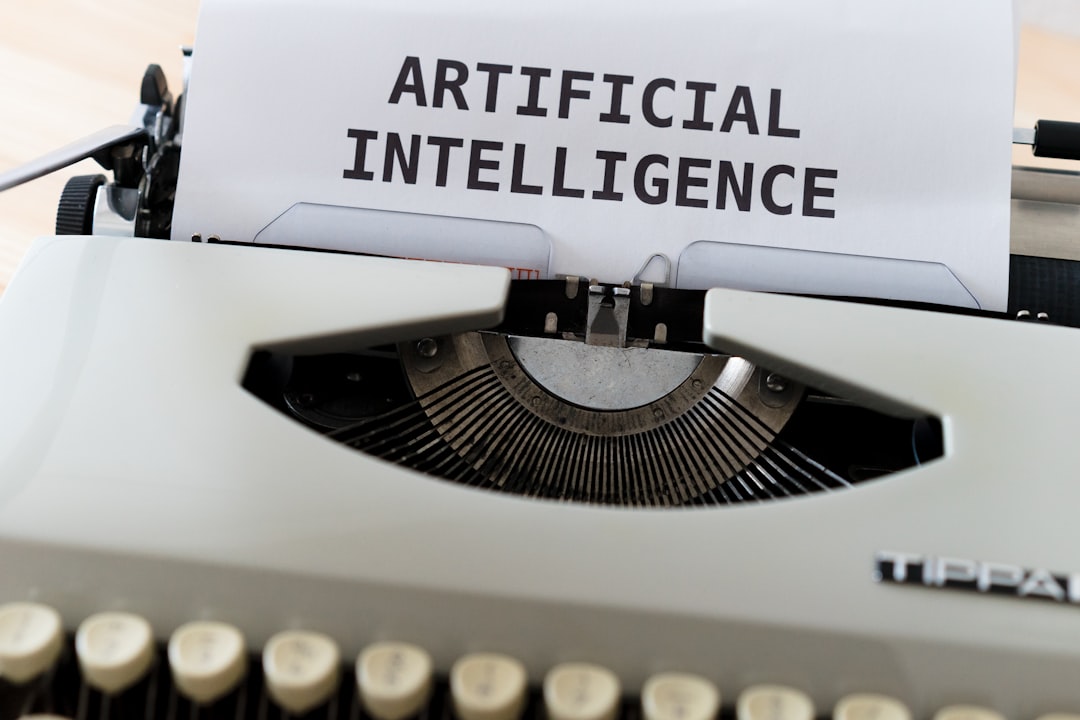
As generative AI tools become more prevalent, the line between assistance and authorship continues to blur. Plagiarism platforms are adapting by adding AI-authorship detection modules. These features estimate the probability that content was generated by a machine, providing institutions with additional oversight tools.
Still, experts caution that AI-detection results should be interpreted carefully. False positives and evolving writing models mean that no system currently guarantees definitive classification.
Ethical and Legal Considerations
Plagiarism is both an ethical violation and, in some cases, a legal issue. Copyright infringement can lead to:
- Financial penalties
- Academic suspension or expulsion
- Professional termination
- Reputational harm
Using a plagiarism checker demonstrates due diligence. For organizations, maintaining documented originality checks may provide an additional layer of risk management.
However, users must also consider data ownership. Reputable platforms clearly state whether submitted documents are stored, indexed, or deleted after analysis. Before uploading sensitive material, carefully review privacy terms and institutional agreements.
The Future of Plagiarism Detection
The field of originality verification continues to evolve. Future developments are likely to include:
- Deeper multilingual database coverage
- Real-time originality feedback as users write
- Enhanced cross-platform integrations
- Improved differentiation between human and AI collaboration
As digital communication accelerates, the volume of published material will expand exponentially. Reliable verification tools will become even more critical.
Conclusion
Plagiarism checker platforms like Grammarly have established themselves as essential instruments in modern writing and publishing. By leveraging large-scale databases, artificial intelligence, and transparent reporting systems, they provide a powerful defense against accidental duplication and intentional misconduct.
For students, they reinforce academic responsibility. For businesses, they protect brand integrity. For publishers and marketers, they safeguard credibility in a competitive digital environment. While no tool replaces careful scholarship and ethical authorship, these platforms serve as trusted partners in maintaining originality.
In a world where information flows freely and rapidly, vigilance is indispensable. Employing a robust plagiarism checker is no longer optional—it is a professional standard.